1989: The Fall of the Berlin Wall
The fall of the Berlin Wall in 1989 symbolized the end of division in Germany and triggered a wave of freedom across Europe. This historic event led to the reunification of Germany, reconnecting families and fostering a spirit of hope. It inspired movements for democracy in other countries, reshaping the political landscape and promoting unity through organizations like the European Union. While challenges remain, the impact of the Wall’s collapse continues to resonate as a reminder of the importance of freedom and cooperation.
Berlin Wall, a monumental symbol of division, collapsed in 1989, heralding a new era of freedom and change for millions. What did this mean for the world? Let’s explore!
The historical significance of the Berlin Wall
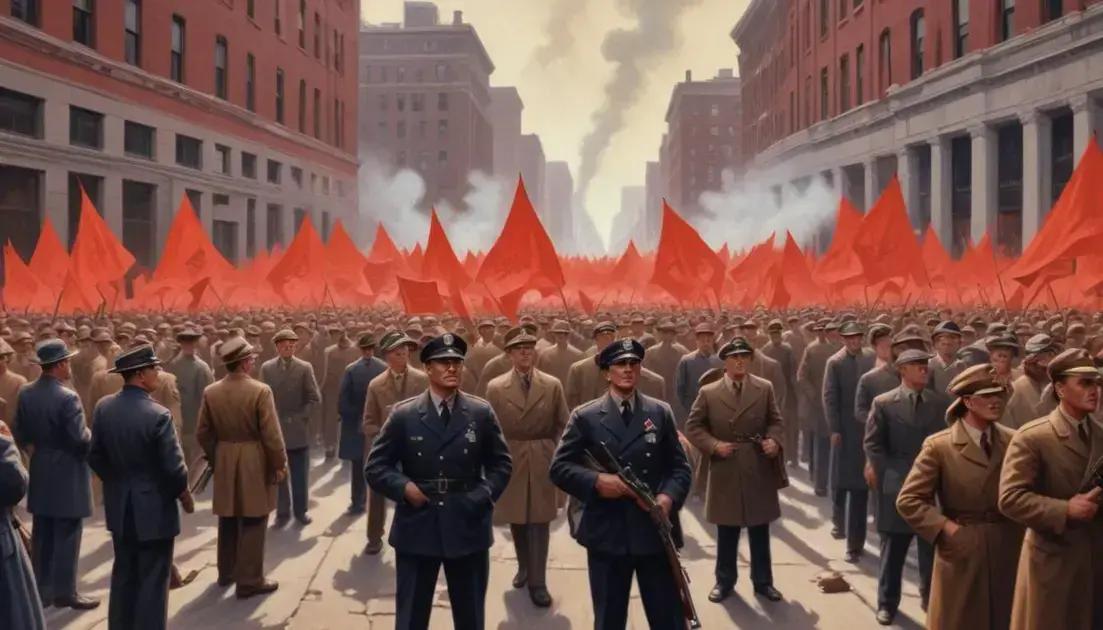
The Berlin Wall was more than just a barrier; it was a symbol of the Cold War. Erected in 1961, it divided East and West Berlin. It represented the harsh reality of a divided city and the ideological clash between communism and democracy.
People on both sides felt the impact. Families were torn apart, and many lost their freedom. The Wall became a place of sadness for some and hope for others. For nearly three decades, it stood tall, marking a clear separation.
Across the world, the Berlin Wall was seen as a powerful image. It showed what a divided world looked like. But when it fell in 1989, it changed everything. This moment marked the end of the Cold War. It sparked a hope for peace and unity, not just in Germany but globally.
Today, we remember the Wall as a reminder of the past. It teaches us about resilience and the human spirit. Its fall paved the way for Germany’s reunification and inspired other movements for freedom and democracy.
The Impact of the Wall’s Fall
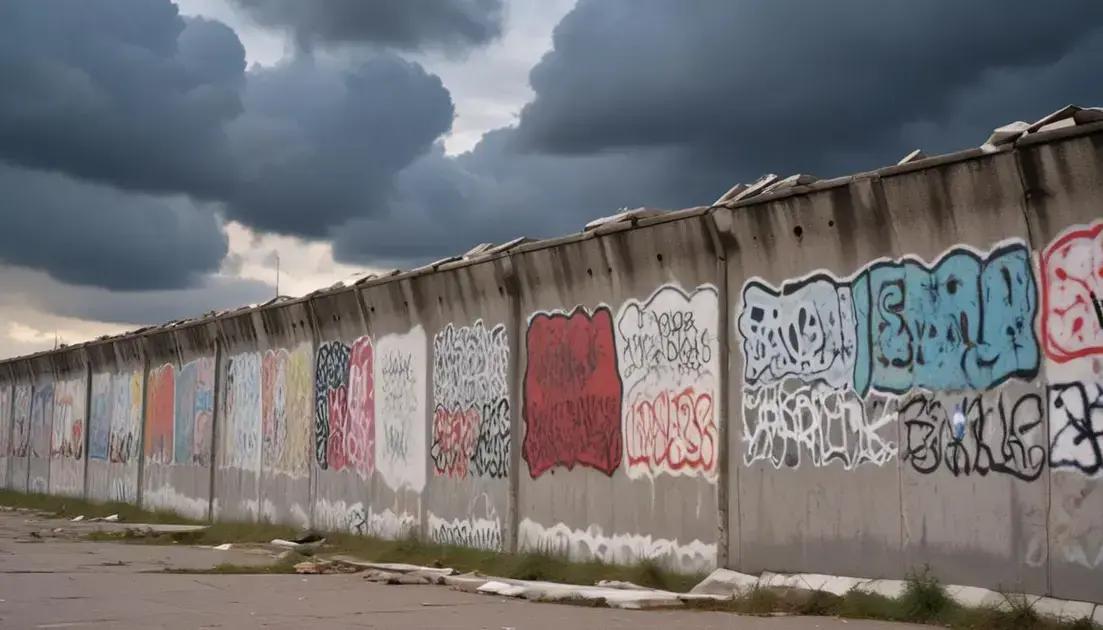
When the Berlin Wall fell, it was more than bricks and mortar coming down. It was a turning point for millions. People rushed to the streets, celebrating their newfound freedom. They tore down the Wall piece by piece, making it a symbol of hope and change.
The fall encouraged other nations to look at their own walls—both physical and invisible. It sparked movements for change everywhere. Many people wanted the same freedom that East and West Germans celebrated.
Even today, we reflect on this moment in history. It reminds us of the fight for freedom and unity, lessons that ring true in our lives today.
Personal stories of those affected
The Berlin Wall touched countless lives. It separated families and friends for nearly 30 years. Many people have stories that show how deep this impact was.
One man remembers the day the Wall went up. He lost contact with his brother who lived in the West. They tried to meet but couldn’t cross the border. Their family stayed apart for years.
A woman from East Berlin recalls sneaking away to see her classmates in the West. She felt scared but excited. These meetings, though rare, filled her with hope.
Others risked their lives to escape East Berlin. Some built secret tunnels or hid in cars. Their dreams of freedom drove them to take huge risks. They knew the dangers but chose to fight for a better life.
When the Wall fell in 1989, it was emotional for many. People rejoiced and cried. They hugged loved ones they hadn’t seen in years. The joy was overwhelming.
Today, these personal stories remind us of the human cost of division. They highlight the strength of those who faced such hardships. Through shared experiences, we learn about the importance of unity and freedom.
Global reactions to the collapse
The fall of the Berlin Wall in 1989 shocked the world. People everywhere celebrated this moment of freedom. It marked the end of years of division and struggle.
News spread quickly. Countries from all over reacted with joy. Many world leaders praised the courage of the German people. They saw it as a sign of hope.
In the United States, President George H.W. Bush welcomed the news. He called it a victory for democracy. Many Americans joined in celebrations, feeling a sense of shared happiness.
In other parts of Europe, people expressed their excitement. Streets filled with cheers and laughter. People waved flags and danced to music. It was a moment of unity across borders.
Some leaders, like Mikhail Gorbachev from the Soviet Union, viewed this change as a good step. He supported freedom and reform in Eastern Europe. This moment showed how ideas for change could spread.
The Wall’s collapse inspired movements worldwide. Countries began to demand greater freedoms and rights. The spirit of change traveled far and fast.
This event didn’t just alter Germany; it transformed the global political landscape. It opened doors for discussion about freedom in many nations.
Impacts on modern Germany and Europe
The fall of the Berlin Wall changed not just Germany, but all of Europe. It opened doors to new possibilities and challenges.
First, Germany reunified. East and West came together as one country in 1990. This was a huge step for the German people. It allowed families to reconnect and cultures to merge.
Economically, the changes were significant. The East needed support to rebuild. With help from the West, Germany worked on creating jobs and improving infrastructure. This effort was vital for growth.
Other countries in Europe also felt the effects. The fall inspired movements for freedom and democracy in nations like Poland and Hungary. People began to push for their rights and change.
This period marked a shift toward cooperation in Europe. Countries focused on building connections through organizations. The European Union grew stronger, promoting unity and trade among nations.
However, challenges emerged too. Disparities between East and West remained. Some areas in the East struggled with unemployment and slower growth. These issues highlighted the ongoing need for support.
Overall, the fall of the Berlin Wall reshaped modern Germany and Europe. It set the stage for a more united continent, while also revealing areas that still need work.
Conclusion
In conclusion, the fall of the Berlin Wall was a pivotal moment for both Germany and Europe. It symbolized the end of division and the start of a new era of freedom. The reunification of Germany brought families together and highlighted the importance of unity.
This event also inspired other nations to push for their own rights and freedoms. It sparked movements that changed lives across the continent. While modern challenges remain, the spirit of hope and change continues to thrive.
Today, we see the lasting impacts of the Wall’s collapse in a more connected Europe. Countries are working together to build a brighter future. The lessons learned from this time remind us of the value of freedom and community. Together, we can create a world that supports unity and growth for all.
Tags: