9/11: the attack that reshaped the modern world
Since 9/11, global security measures have significantly changed, affecting travel, public behavior, and international relations. As a result of increased terrorism awareness, countries have tightened security protocols, influencing everyday life and mental health. The media’s role has also shaped public perception and debates around security and personal freedoms, making it crucial to find a balance between safety and civil liberties.
On 9/11, the world changed forever. This event reshaped how we think about security, politics, and even our daily lives. Curious how we got here? Read on!
The impact on global security measures
After 9/11, security around the world changed dramatically. Airports added strict screening processes and new checks became the norm for travelers. These steps were meant to prevent any future attacks and make everyone feel safer.
Air Travel Security
In the years following 9/11, flying changed forever. Passengers now face advanced security checks and must remove shoes and laptops during screening. The process aims to catch any potential threats before they can harm anyone.
Heightened Security Measures
Governments around the globe have beefed up security in public spaces. This includes increased police presence and surveillance cameras in cities. Enhanced security measures at events or crowded areas help to deter threats and reassure the public.
International Cooperation
Countries now share intelligence and work together more closely. This cooperation is crucial for tracking and stopping terrorist activities. When nations unite, they can better protect their citizens and prevent dangerous acts.
Challenges in Privacy
While security is vital, there are concerns about privacy. Many worry that increased surveillance could lead to loss of personal freedoms. It’s important to find a balance between keeping people safe and respecting their rights.
The impact of 9/11 on global security still lingers today. As nations adapt to new threats, the way we view safety and privacy will continue to evolve.
Changes in international relations
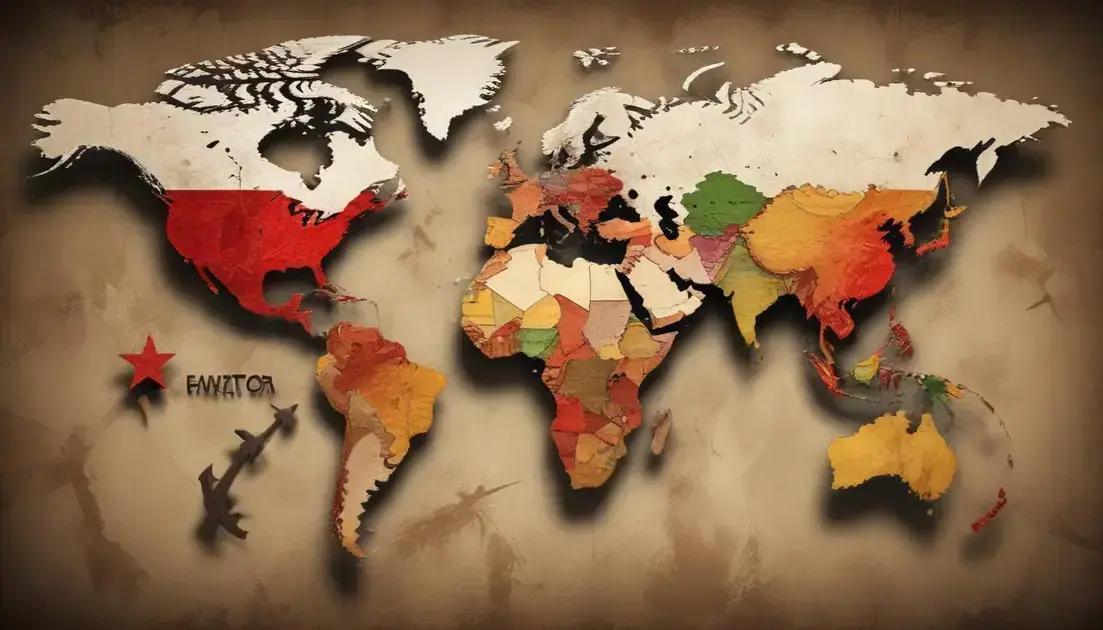
Since 9/11, the landscape of international relations has shifted a lot. Countries now face different challenges and threats, especially related to terrorism. This change has forced nations to rethink their alliances and foreign policies.
Shifts in Alliances
After the attacks, many countries joined forces to combat terrorism. Nations that once had conflicts found common ground in fighting a shared enemy. This new unity has reshaped traditional alliances.
Impact on Diplomacy
Diplomatic relations have also evolved. Countries now prioritize security in their discussions. They focus on sharing intelligence and collaborating on counterterrorism efforts. This cooperation can prevent future attacks and promote global stability.
Increased Military Presence
In response to threats, some nations have increased their military presence around the world. This strategy aims to deter potential threats before they can grow. Deployment of troops in hotspots signifies a commitment to maintaining global peace.
Challenges to Global Cooperation
Despite new partnerships, challenges remain. Nations must balance their own security needs with the need for global cooperation. Tensions still exist, particularly in regions with ongoing conflicts.
The aftermath of 9/11 has continuously shaped the way countries interact. As threats evolve, so will international relations, influencing how nations navigate future conflicts and alliances.
Rise of terrorism and new policies
Since 9/11, terrorism has become a major focus for many countries. The rise of terrorist groups has changed how governments create security policies. New measures aim to prevent attacks and protect citizens.
Understanding Terrorism
Terrorism can take many forms and can happen anywhere. Groups use fear to achieve their goals. Governments must understand these threats to create effective responses.
New Security Policies
In response, many countries have introduced stricter laws. Policies focus on surveillance and intelligence gathering. These measures aim to stop terrorists before they can act.
Community Involvement
Communities are also involved in addressing terrorism. Many programs promote awareness and encourage people to report suspicious activities. This collective effort helps in identifying threats early.
International Collaboration
Countries now work together to combat terrorism. Sharing information and resources strengthens their ability to fight these threats. Global cooperation is vital in today’s interconnected world.
While these policies aim to keep people safe, they also raise questions about privacy. Finding a balance between security and personal freedoms remains a challenge.
Public consciousness and media representation
After 9/11, public consciousness around security and terrorism changed a lot. The media played a big role in shaping how people viewed these issues. News coverage influenced opinions and sparked discussions about safety.
The Role of Media
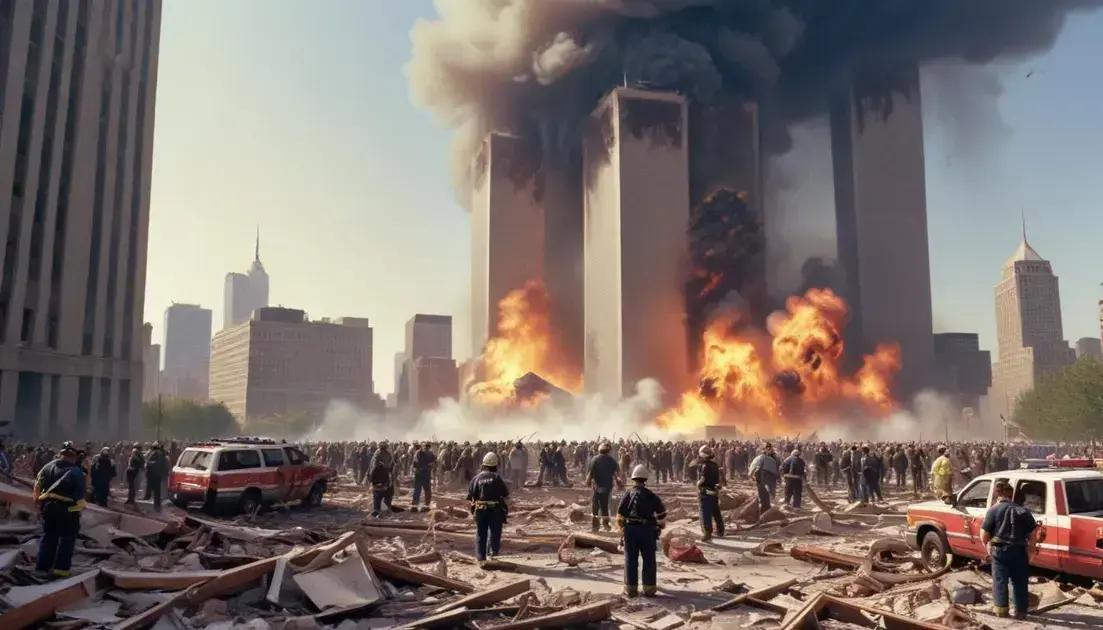
Media coverage of 9/11 and its aftermath was intense. News channels showed live footage and stories of survivors. This coverage brought the reality of terrorism into households everywhere.
Public Perception
As a result of media representation, many people became more aware of threats. They started to see terrorism as a real danger, not just a distant issue. This led to increased support for security measures.
Debates About Representation
While media raised awareness, it also sparked debates. Some argued that certain portrayals were unfair or exaggerated. Discussions about stereotypes and biases emerged, highlighting the need for responsible reporting.
Long-Term Effects
The influence of media continues today. How terrorism is portrayed can impact public policies and attitudes. People often look to the media for information about safety and global issues.
Understanding the media’s role helps us see how public consciousness is shaped. It also shows how crucial responsible reporting is in our society.
Long-term effects on everyday life
The events of 9/11 changed how people live their everyday lives. Security became a top priority for many. Daily routines now include more safety measures and awareness of surroundings.
Increased Security Measures
Many places, like airports and public buildings, have stricter security checks. People often expect to wait longer due to these protocols. While they may feel inconvenient, they aim to keep everyone safe.
Changing Travel Habits
Traveling by air has also changed significantly. Passengers prepare differently, with a focus on security. They accept that they might need to arrive earlier for flights because of these new procedures.
Impact on Public Behavior
People are more alert in crowded spaces. There’s a heightened awareness of safety, which affects how individuals interact in public. They may be more cautious, keeping an eye out for anything unusual.
Effects on Mental Health
The fear of attacks can also affect mental health. Some individuals experience anxiety in public spaces. Communities work to support one another and provide resources for coping with these feelings.
Over time, these changes have shaped our everyday lives. The legacy of 9/11 continues to influence how we think about security and safety.
Conclusion
In conclusion, the impact of 9/11 on our world is profound and still felt today. From security measures to international relations, everyday life has changed in many ways. People are more aware of their surroundings and expect heightened security in public spaces.
These changes remind us of the importance of safety and community. While some effects can cause anxiety, they also lead to stronger support networks. Understanding our response to these events is essential for building a safer future.
As we move forward, it’s important to balance security with personal freedoms. By learning from the past, we can create a world that prioritizes both safety and well-being for all.