Fall of the Roman Empire: The Causes of the End of the Ancient World
The fall of the Roman Empire resulted from a combination of factors, including economic decline, barbarian invasions, political instability, fragmentation of power, and significant cultural changes. As the empire faced inflation, local leaders gained control, and social tensions rose, the once-unified Rome transformed, leading to its eventual collapse. Understanding these elements highlights the complexities of societal decline and offers insights into maintaining stability in modern civilizations.
Fall of the Roman Empire is not just a single event; it’s a saga of economic turmoil and relentless invasions that altered the course of history. Curious about what led to this monumental shift?
Economic Decline
The economic decline of the Roman Empire was a slow process that spanned many years. It wasn’t just one event; rather, several factors contributed to it.
Inflation and Devaluation
As the empire grew, so did its expenses. To pay for military needs and public services, the Romans started minting more coins. However, this led to inflation. The more coins they created, the less valuable each one became. Prices for goods soared.
Trade Disruptions
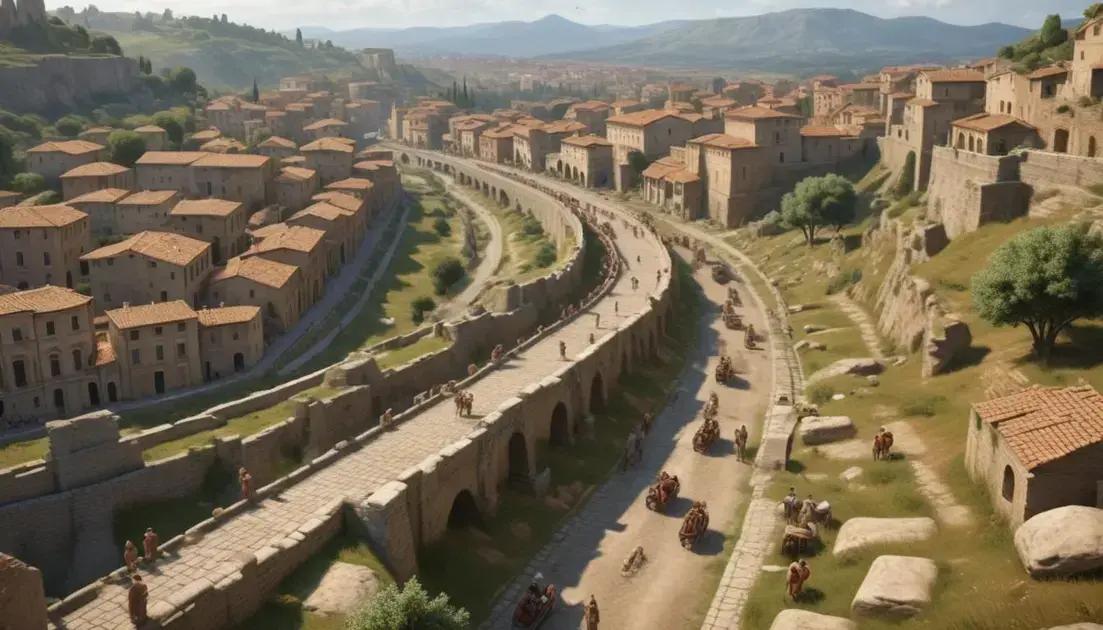
Trade routes became increasingly unsafe due to barbarian invasions. This made it hard for merchants to deliver goods. It hurt the economy because people had fewer products to buy. Without trade, cities and towns struggled to survive.
Reliance on Slavery
Many Roman farms relied heavily on slaves. As the supply of slaves dried up, agricultural production fell. With less food and goods available, prices rose even higher. People began to feel the pinch in their daily lives.
Tax Burden
To cope with financial issues, the government raised taxes. High taxes frustrated individuals and businesses. Many people became poorer, leading to a decrease in spending. This created a vicious cycle that made the economy worse.
Resulting Challenges
The economic decline had serious consequences. It led to fewer jobs, increased poverty, and a weaker military. As the empire faced these growing issues, the foundations of Roman civilization began to crumble.
Barbarian Invasions
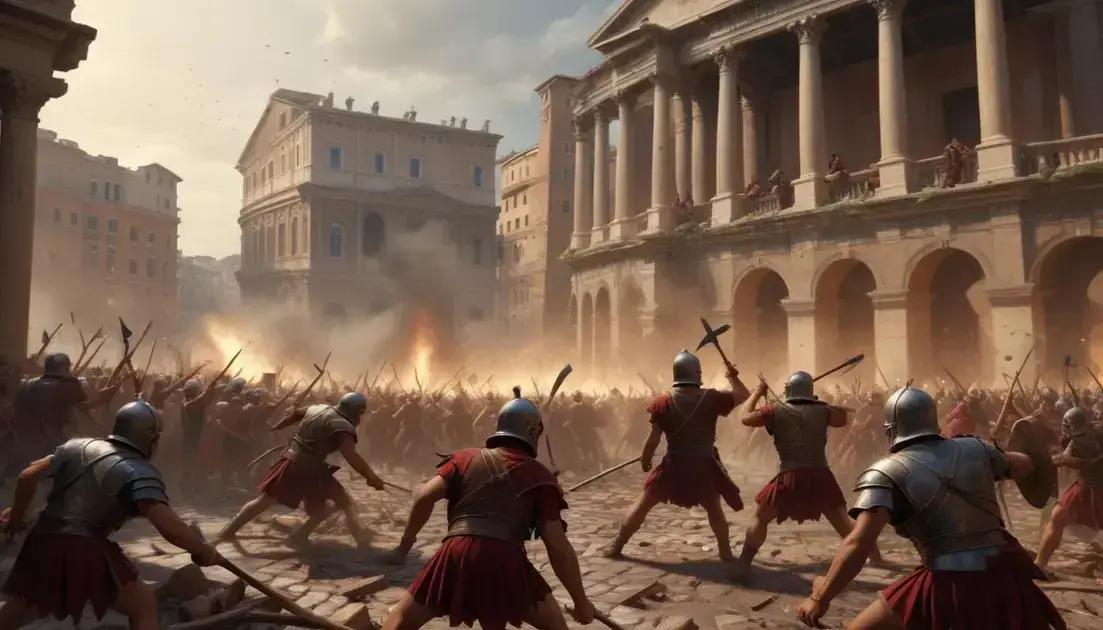
The barbarian invasions were a key factor in the fall of the Roman Empire. These invasions caused chaos and disrupted life across the empire.
Who Were the Barbarians?
The term “barbarian” referred to various groups outside Rome. This included tribes like the Visigoths and Vandals. They weren’t as civilized by Roman standards, but they had powerful armies.
Reasons for the Invasions
Many factors led these groups to invade. Climate changes made land less productive. Additionally, they were looking for new homes and resources. The weakening Roman Empire made them see an opportunity.
Impact on Roman Cities
As barbarian tribes invaded, many Roman cities fell into disarray. People fled their homes, leaving behind their belongings. The once-thriving cities became ghost towns.
Military Struggles
To combat these invasions, the Roman military had to stretch its resources thin. They fought battles on many fronts. This constant fighting exhausted their forces and drained the treasury.
Aftermath of the Invasions
After the invasions, the empire divided into smaller kingdoms. This shift marked a new era in history. These invasions weren’t just destructive; they transformed Europe.
Political Instability
Political instability played a huge role in the fall of the Roman Empire. It created a chaotic environment that made governance tough.
Frequent Leadership Changes
One major issue was the frequent changes in leadership. Many emperors came to power through violence. Assassinations and coups became all too common. This left people unsure about their future.
Corruption and Mismanagement
Corruption was rampant in the government. Officials often put their interests above those of the public. This mismanagement weakened the empire’s ability to function smoothly.
Class Conflicts
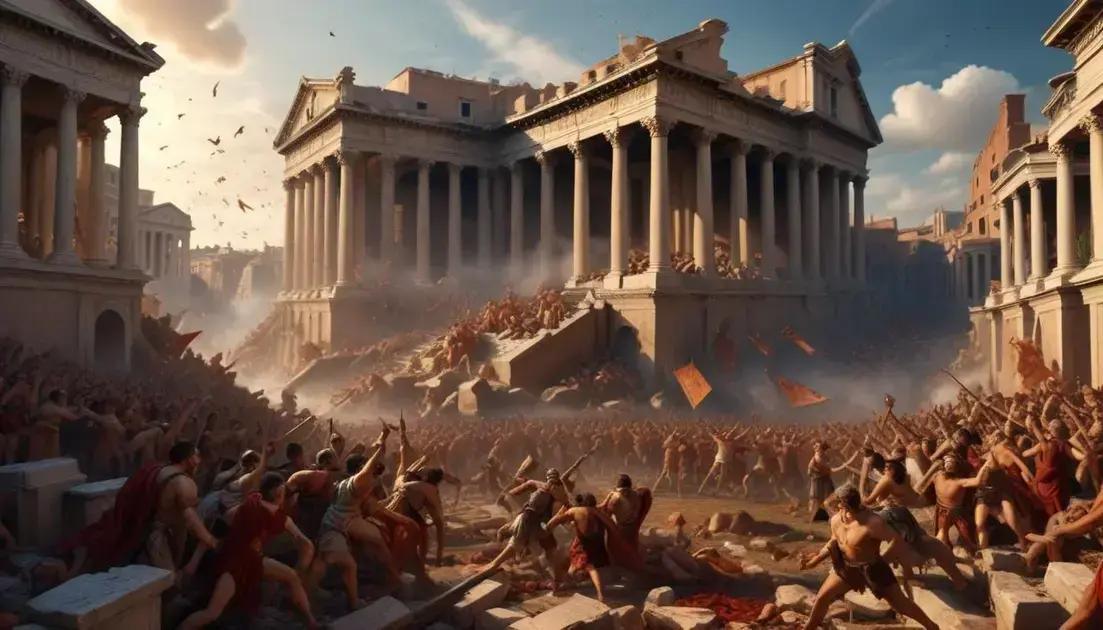
Social classes were deeply divided. The rich lived in luxury while the poor struggled daily. These tensions often erupted into riots and unrest, further destabilizing the society.
Military Influence on Politics
The military’s growing influence in politics was troubling. Generals often gained more power than the emperors. This shift caused loyalty issues within the army and weakened the state.
The Role of Religion
Religious changes also affected the political landscape. As Christianity gained followers, it changed the social order. Some leaders struggled to adapt to this new reality, causing further discord.
Fragmentation of Power
The fragmentation of power in the Roman Empire significantly weakened it. As the empire expanded, controlling everything became harder.
Rise of Local Leaders
As central authority declined, local leaders gained more control. These leaders were often more trusted by their people. They focused on local needs but sometimes ignored the empire’s broader goals.
Division of Territories
The empire was divided into smaller regions. Each region had its own local government and laws. This division made it hard to maintain unity across the vast empire.
Challenges from Rival Factions
Within these smaller regions, rival factions often fought for control. Conflicts between these groups distracted from the empire’s true issues. This instability further weakened the central government.
Impact on Military Cohesion
The fragmentation affected the military too. Armies became loyal to local leaders instead of the emperor. This shift made it difficult to form a united front against invaders.
Economic Consequences
With power spread out, economic policies varied greatly. Some regions thrived, while others struggled. This inconsistency hurt trade and caused economic disparities throughout the empire.
Cultural Changes
The cultural changes during the decline of the Roman Empire were significant. These shifts influenced how people lived and interacted.
Shift to Christianity
One major cultural change was the rise of Christianity. It became a powerful force in society. Many people began to follow its teachings, which changed old Roman traditions.
Decline of Traditional Values
As Christianity grew, traditional Roman values faded. Concepts like honor and public duty took a backseat. This shift affected how citizens viewed their roles in society.
Art and Architecture
During this time, art and architecture changed too. Many artists began focusing on spiritual themes. Christian symbols and stories replaced classical Roman styles.
Language and Education
The Latin language evolved, influenced by the spread of Christianity. Schools and education also changed, focusing more on religious studies. Learning became less about preparing for public service.
Social Life and Festivals
Public festivals and ceremonies changed dramatically. Many old Roman celebrations fell out of favor. New Christian holidays emerged, reshaping the social calendar.
Conclusion
In conclusion, the fall of the Roman Empire was a complex process shaped by many factors. Economic decline, barbarian invasions, political instability, fragmentation of power, and cultural changes all played a role. Each factor interacted with the others, making the empire weaker over time.
Understanding these elements helps us learn about the past. It shows how societies can transform due to various pressures. The lessons of the Roman Empire remind us that stability is essential for any civilization. By looking back, we can better prepare for the future and avoid repeating past mistakes.