Stanislav Petrov: The Man Who Prevented Nuclear War by Accident
Colonel Stanislav Petrov’s quick decision in 1983 prevented a potential nuclear disaster during the Cold War, showcasing the power of critical thinking under pressure. His story illustrates the importance of questioning protocols and trusting one’s instincts in high-stakes situations, leaving a lasting legacy as a symbol of courage and a reminder of the human capacity to avert catastrophe. Petrov’s actions have been increasingly recognized over time, highlighting how one person can make a notable impact on history.
Stanislav Petrov faced a crucial moment in 1983, where quick thinking saved millions from a potential nuclear catastrophe. How did one man change history?
The Cold War context
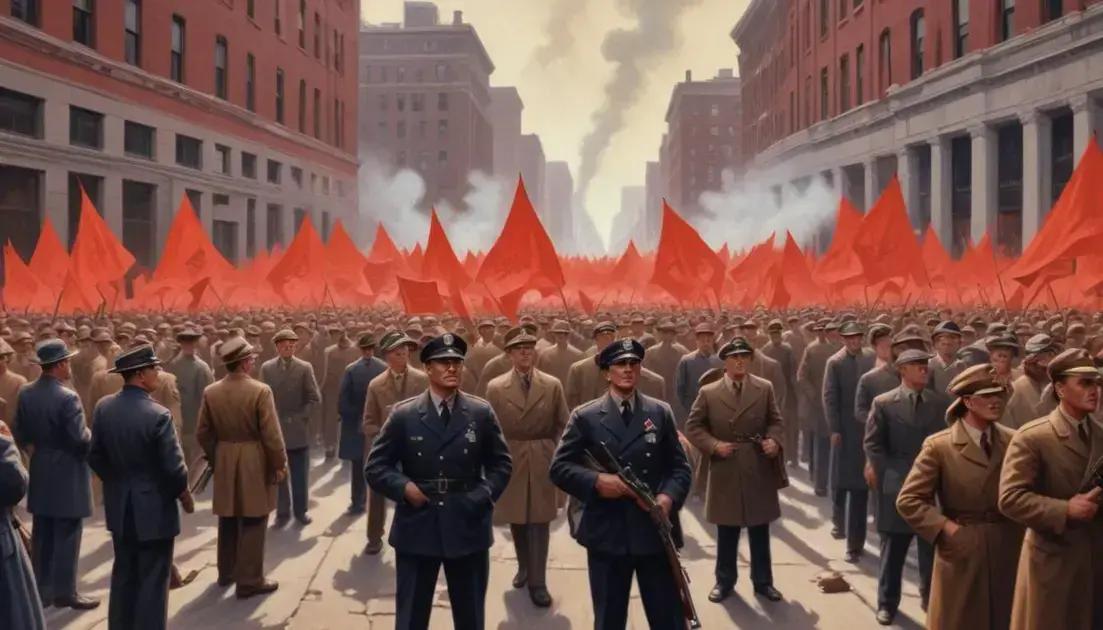
The Cold War was a troubling time, filled with tension and fear. It began after World War II and lasted several decades. In this era, two major powers emerged: the United States and the Soviet Union. They were like rivals in a race, but it wasn’t just about speed—it was about ideas, influence, and control.
What led to the Cold War?
The Cold War started mainly because of different beliefs. The U.S. wanted to spread democracy and capitalism. On the other hand, the Soviet Union aimed to promote communism. This clash caused a lot of political conflicts around the world.
Tensions Rising
During this time, the fear of nuclear war grew. Each side built up large arsenals of weapons, leading to a sense of dread. There were close calls, like the Cuban Missile Crisis, which brought the world to the brink of disaster.
The Impact on Society
People during the Cold War lived with uncertainty. Many worried about spies and hidden enemies. Propaganda was used extensively to influence thoughts and feelings. This made it hard to trust anyone.
Despite the fear, cultural exchanges did take place. People shared art, music, and ideas across borders. These interactions helped humanize the opponent and showed that not everyone was a threat.
The Cold War context shaped many events in history. It influenced politics, economies, and even individual lives. Understanding this period helps us see how the past shapes the present.
The warning system failure
The warning system failure in 1983 was a critical moment during the Cold War. It all started when the Soviet Union’s early warning radar detected what appeared to be incoming missiles. This triggered alarms, causing panic among military officials.
What Went Wrong?
The system reported a missile launch from the United States. In a split second, the protocols demanded a counterattack. This was a frightening situation. But not everyone believed the alert.
Stanislav Petrov’s Decision
Colonel Stanislav Petrov was the officer on duty that day. He had to make a tough choice. Instead of reacting immediately, he trusted his instincts. Petrov thought it could be a false alarm.
His intuition proved correct. The supposed missile strike was actually caused by a rare sunlight reflection on clouds. This error could have led to a catastrophic response if Petrov hadn’t acted wisely.
The Consequences
Because of Petrov’s decision to delay a retaliatory strike, he probably saved millions of lives. The incident highlighted serious flaws in the Soviet warning system. It showed how vital human judgment is in life-and-death situations.
This moment is a reminder of the dangers during the Cold War. Cold War tensions meant that any mistake could start a nuclear war. Thanks to quick thinking and courage, disaster was avoided that day.
Petrov’s critical decision
Colonel Stanislav Petrov faced a life-changing moment in 1983. When the warning system indicated a missile launch, he was under immense pressure. Most would assume the alert was accurate. Few would dare to question it.
The Weight of Responsibility
Petrov knew that if he reported a false alarm, he could endanger lives. But if he ignored the alert, and it was real, it could mean disaster. This was no easy choice. What should he do?
He decided to take a step back. Instead of following orders immediately, Petrov paused to think. His instincts told him something felt off. His reasoning also led him to consider the situation carefully.
Trusting His Instincts
Petrov remembered that a single missile launch was abnormal. The United States would likely launch more than one. In his heart, he believed it was a false alarm. He reported it as such, despite the risks.
This decision was crucial. It showed the power of human judgment in high-stakes situations. If Petrov hadn’t trusted his gut feeling, history could have been very different.
A Moment of Clarity
Petrov’s choice exemplifies courage. He saved millions from a possible nuclear disaster. His action highlighted the importance of critical thinking, especially in emergencies. Sometimes, it takes a strong mind to see what others cannot.
The aftermath and recognition
The aftermath of the warning system failure was significant. Many people were unaware of how close the world came to disaster. Stanislav Petrov’s decision saved millions, but it went largely unrecognized at first.
Immediate Consequences
After the incident, the Soviet military conducted an investigation. They wanted to understand how such a failure happened. They acknowledged the problem with their warning system but did not share this publicly.
Petrov’s Silence
For years, Petrov remained quiet about his actions. There were no medals or public honors. In fact, he faced criticism for not following protocol. The military did not see his decision as heroic at that time.
Growing Awareness
Decades later, the story of Petrov began to emerge. Scholars and journalists started to recognize his bravery. Documentaries and articles highlighted his role in averting a major crisis.
His actions became a symbol of how one person can make a difference. People began to understand the importance of critical thinking under pressure.
A Shift in Recognition
In recent years, Petrov has received accolades and awards. Organizations and peace advocates honor him for his crucial role. He’s remembered as a hero who acted against the odds.
Petrov’s legacy is a reminder. It encourages us to think critically in tough situations. His bravery serves as an example for future generations to learn from.
Legacy of a quick-thinking officer
The legacy of Colonel Stanislav Petrov is powerful and lasting. His quick-thinking action prevented a possible nuclear disaster in 1983. Many view him as a hero, though he wasn’t initially recognized.
A Symbol of Courage
Petrov’s decision showed the importance of human judgment. His ability to stay calm in a crisis saved millions of lives. In today’s world, his actions remind us of the value of critical thinking.
Lessons in Leadership
Leaders can learn from Petrov’s story. He demonstrated that sometimes rules need to be questioned. Being brave enough to think differently can make a huge impact. It’s about more than following orders; it’s about understanding the situation.
Inspiration for Future Generations
Petrov’s legacy inspires young people everywhere. His story teaches the importance of being aware and alert. It highlights how one person can change the course of history. This teaches us that our actions have consequences, big or small.
Recognition Over Time
As awareness of his actions grew, so did recognition. Eventually, he received awards and honors, shining a light on his bravery. His story is now shared globally, celebrated in documentaries and articles.
Petrov’s legacy continues to live on. His story is a reminder that quick thinking and courage can prevent catastrophe.
Conclusion
In conclusion, the story of Colonel Stanislav Petrov shows us the power of quick thinking and courage. His actions in 1983 prevented a nuclear disaster and saved countless lives. Petrov’s legacy teaches important lessons about the value of trusting our instincts and questioning orders when necessary.
We can all learn from his example. In moments of crisis, staying calm and making thoughtful decisions is vital. Petrov’s bravery inspires us to think critically and act wisely in challenging situations. His story is a reminder that one person can make a significant difference in the world.
As we remember Petrov, let’s honor his legacy by promoting peace and understanding. We should work together to ensure history never repeats itself and that we learn from the past.
Tags: