American Civil War: The War that Abolished Slavery in the USA
The American Civil War was a pivotal conflict from 1861 to 1865 that transformed the United States. It resulted in the abolition of slavery through the 13th Amendment and preserved the Union. Major battles like Gettysburg and Antietam marked significant turning points, highlighting the war’s brutal nature and impact on society. The war’s legacy includes ongoing struggles for civil rights and equality, demonstrating its lasting effects on American culture and laws.
When we talk about the American Civil War, we’re diving into a saga that forever altered the United States—it’s not just a historical event!
Introduction
The American Civil War was not just about battles; it was about a nation finding its identity. This war changed the lives of millions, both enslaved and free. It took place between 1861 and 1865, driven by tensions over slavery and states’ rights. The North and South were often at odds, leading to deep divisions.
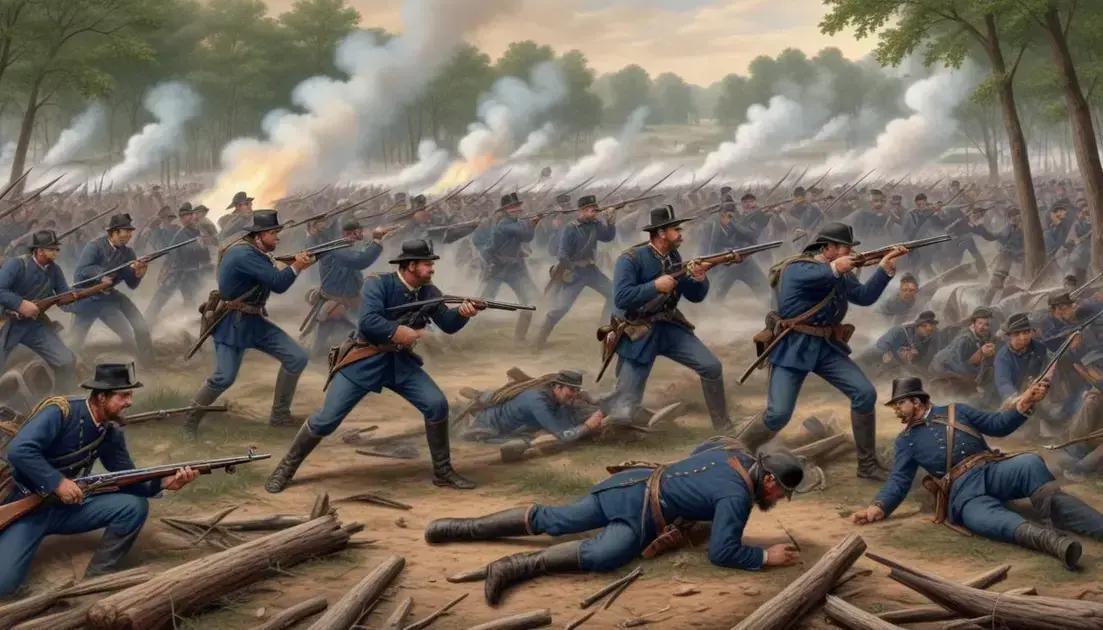
Major events marked the conflict. The firing on Fort Sumter in 1861 kicked things off. Following this, many battles like Gettysburg and Antietam became famous for their intense fighting and high casualties. They highlight the war’s brutality and the courage of those involved.
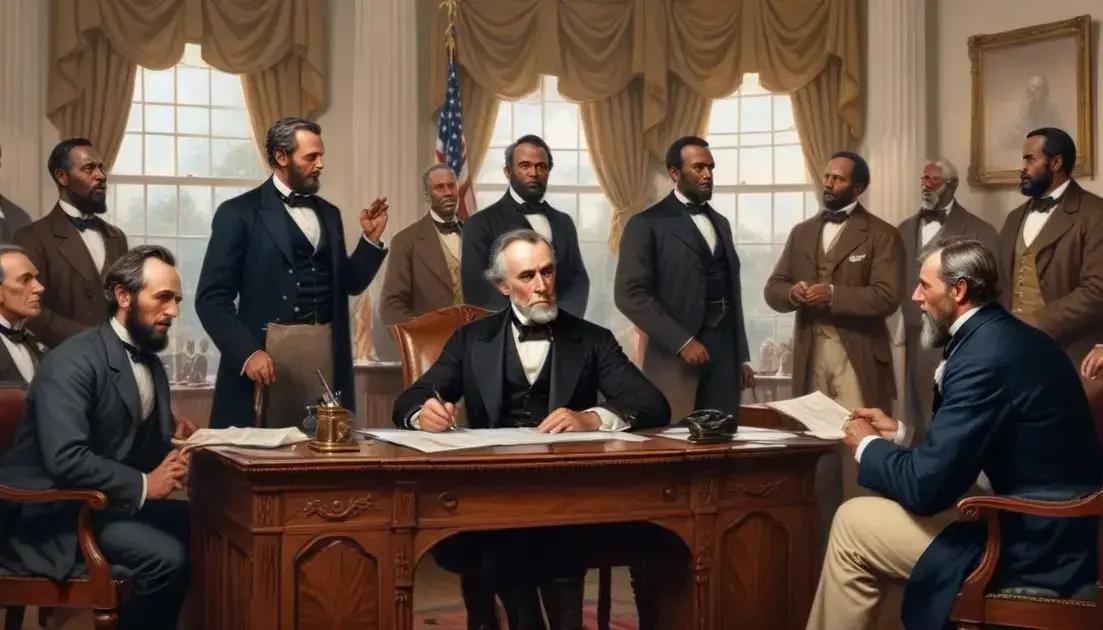
The war not only ended slavery but also paved the way for great changes in America’s society and laws. The Emancipation Proclamation in 1863 declared that all enslaved people in the Confederate states were free, reshaping the nation’s moral landscape.
The impact of the Civil War could still be felt today. Its legacy is a reminder of the struggles for freedom and equality. Even now, the lessons learned during this time have powerful relevance.
Key Events
Several key events defined the American Civil War. These moments shaped the direction of the conflict and influenced the nation’s future.
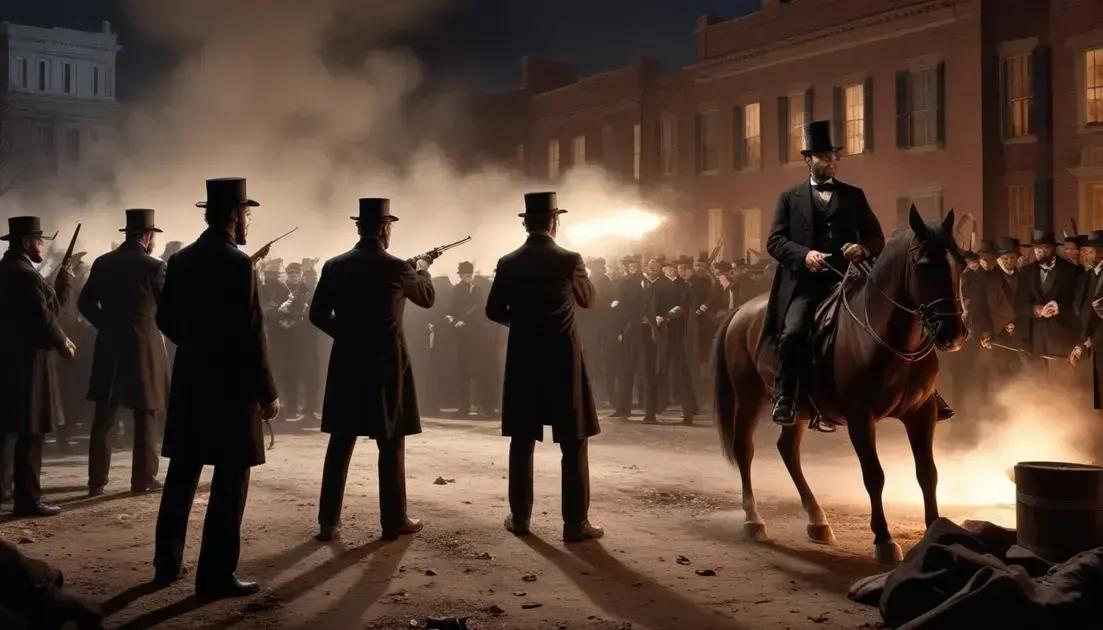
The first major event was the attack on Fort Sumter in April 1861. This battle marked the start of the war. It shocked the nation and brought many men to enlist.
Then came the First Battle of Bull Run in July 1861. It showed that both sides were unprepared for the war’s reality. The South celebrated victory, raising their spirits.
In 1862, the battle at Antietam took place. This battle was one of the bloodiest in history. It resulted in a Union victory and led to President Lincoln’s Emancipation Proclamation.
The Battle of Gettysburg in July 1863 was a turning point. It ended Lee’s invasion of the North. After three days of fierce fighting, the Union emerged victorious, marking a significant turning point in the war.
Finally, the war ended in 1865 with the surrender of General Lee at Appomattox Court House. This marked a significant moment in U.S. history, as it showed the importance of unity and reconciliation.
Major Battles
The American Civil War was marked by several major battles that altered the course of history. Each battle had its significance and impact on the war.
The Battle of Antietam, fought in September 1862, is famously known as the bloodiest day in American military history. This fight resulted in around 22,000 casualties. It helped the Union gain momentum and led to the Emancipation Proclamation.
Then there was the Battle of Gettysburg, held in July 1863. This battle lasted three days and saw fierce fighting. Union forces achieved a significant victory, stopping Confederate General Lee’s invasion. It was a turning point in the war.
The Battle of Vicksburg took place around the same time, from May to July 1863. This battle gave the Union control over the Mississippi River. This strategic victory split the Confederacy, making it hard for them to communicate and move resources.
Another critical fight was the Battle of Chattanooga in November 1863. The Union victory here opened the South to invasion by Union forces. This helped secure further victories in the following years.
Finally, the Battle of Appomattox Court House in April 1865 marked the end of the war. General Lee’s surrender to General Grant signified the beginning of peace and reconstruction.
Impact on Society
The American Civil War had a profound impact on society. It changed lives, laws, and the very fabric of the nation.
One major effect was the abolition of slavery. The war led to the 13th Amendment, which outlawed slavery in the United States. This change was monumental and reshaped the lives of millions.
Another significant impact was the shift in the economy. The war devastated the Southern economy, leading to poverty and loss of farmland. Meanwhile, the North’s industrial economy grew stronger, paving the way for future economic development.
The war also altered social structures. Families were torn apart as men went off to fight. Women stepped into roles that were traditionally held by men. Many became nurses and took on jobs in factories, forever changing gender roles in society.
The Reconstruction Era that followed the war was also significant. It aimed to rebuild the South and integrate freed slaves into society. However, it faced many challenges, including resistance from those who wanted to maintain the old social order.
Ultimately, the Civil War raised essential questions about equality and justice. It laid the groundwork for future civil rights movements. The struggles and achievements during this time remain relevant to discussions about freedom and equality today.
Legacy of the War
The legacy of the American Civil War is complex and far-reaching. It shaped the future of the United States in many ways.
One clear legacy is the end of slavery. The ratification of the 13th Amendment in 1865 abolished slavery, forever changing American society. This was a significant victory for civil rights.
Another important legacy is the preservation of the Union. The war kept the country united, despite deep divisions. It taught Americans the importance of unity during difficult times.
The conflict also led to new laws that aimed to protect the rights of former slaves. The 14th Amendment granted citizenship to all born in the U.S. This was a key step toward equality.
However, the legacy also includes ongoing struggles. Many Southern states introduced laws that limited the rights of Black Americans. These laws aimed to maintain the old social order, leading to future civil rights battles.
The Civil War inspired countless movements for justice and equality. Later movements, like the Civil Rights Movement of the 1960s, drew strength from the war’s ideals. The quest for freedom and equality continues to this day.
Conclusion
In conclusion, the American Civil War was not just a battle between North and South; it changed the nation’s course forever. The end of slavery marked a significant step towards equality and justice. The war preserved the Union, reminding us that unity is crucial during tough times.
The laws that followed helped define the rights of citizens, paving the way for future movements. Still, the legacy of the war includes ongoing struggles for civil rights. The fight for equality continues to inspire us today, showing how important it is to keep working toward a better future for everyone.
Ultimately, understanding the impact of the Civil War helps us learn from the past. It teaches us the value of freedom, justice, and the importance of standing up for what is right. Let’s carry these lessons forward as we strive for a more inclusive society.