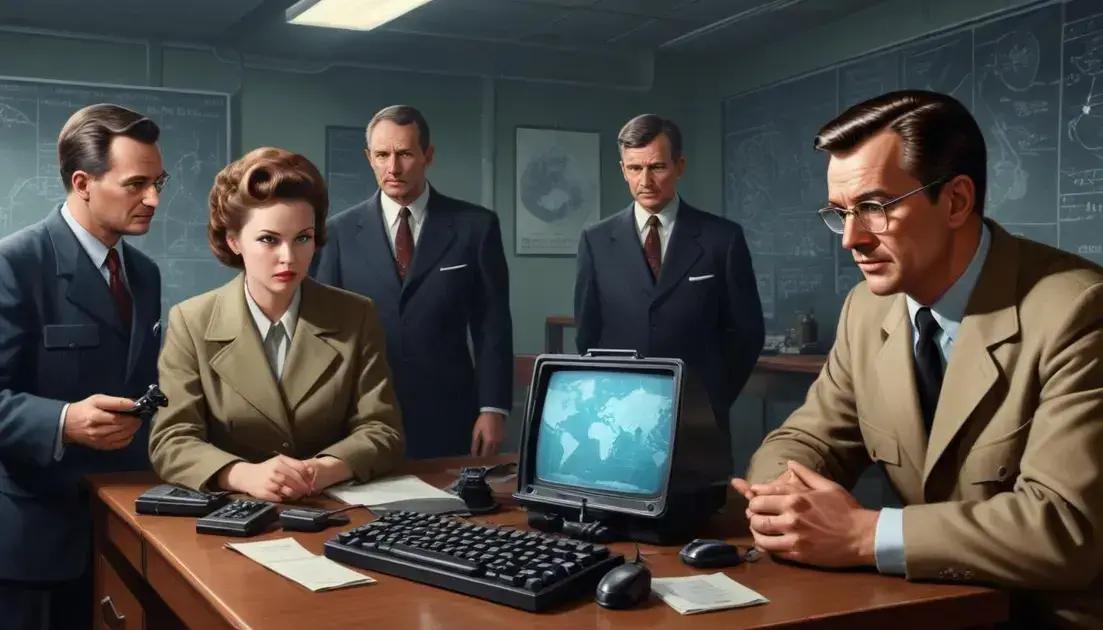
Technological Espionage: Theft and Industrial Secrecy in the Cold War
The Cold War significantly influenced technological development and intelligence practices. Key events and cases of espionage led to advancements in cybersecurity, intelligence sharing, and the use of AI technologies. Notable incidents like the Rosenberg trial and Operation Gold demonstrate the impact of secrecy and theft on modern tech enhancements. The ethical implications from this era continue to affect how we view privacy and security today.
In the shadow of global tension, Technological Espionage thrived during the Cold War, with nations vying not just for power but for knowledge. Curious about the secrets that shaped the world?
The context of Cold War technology rivalry
The Cold War was a time of fierce competition between the United States and the Soviet Union. Each side wanted to outdo the other in technology and military strength. This rivalry was not just about weapons but also involved scientific advancements.
Rising Tensions and Technology
As tensions grew, both countries invested heavily in research and development. They wanted to create new technologies to gain an advantage. The space race is a prime example of this.
The Space Race
The launch of Sputnik by the USSR in 1957 shocked the world. America felt the pressure to catch up. This led to major investments in science education and technology. NASA was formed, and soon, Americans were heading to the moon.
Espionage in Technology
Amidst this rivalry, espionage became a key strategy. Each side wanted to steal the other’s secrets. Spies and informants were common in labs and government offices.
Impact on Global Technology
The competition pushed both nations to innovate rapidly. Technologies developed for military use led to the rise of consumer products we enjoy today, such as satellite technology and computers.
Key players and events in technological espionage
Technological espionage involved many key players during the Cold War. Both the United States and the Soviet Union operated covertly to gather secrets. Spies worked tirelessly to steal valuable information on military and scientific advances.
Notable Figures
Several important figures emerged in this field. For instance, Aldrich Ames was a CIA officer who became a double agent. He passed vital information to the Soviets and caused serious damage to U.S. intelligence.
Technological Breakthroughs at Stake
Another significant player was Klaus Fuchs. This scientist helped develop the atomic bomb. He was later discovered to have shared secrets that aided the Soviet nuclear program.
Events That Changed the Game
Events like the U-2 incident in 1960 showcased the dangers of espionage. An American spy plane was shot down over the USSR. This incident raised tensions and made both sides more cautious.
The Role of Universities and Research Labs
Many universities and research labs were not immune to spying. Both sides aimed to infiltrate these institutions for new discoveries. This spying helped accelerate tech development on both ends.
Legacy of Espionage
The impact of these players and events is still felt today. Their actions shaped today’s intelligence practices and tech laws. Understanding their roles helps us see the importance of keeping information secure.
Notable cases of theft and secrecy
During the Cold War, many notable cases of theft and secrecy changed the game. These incidents showed how both sides tried to outsmart each other. Let’s look at a few key examples.
The Rosenberg Case
One of the most famous cases was the Rosenberg trial. Julius and Ethel Rosenberg were accused of passing atomic secrets to the Soviets. They were executed in 1953, sparking debate over their guilt.
The Pentagon Papers
The Pentagon Papers revealed hidden information about the Vietnam War. They showed how the U.S. government misled the public about its involvement. This case highlighted the importance of transparency.
Operation Gold
Operation Gold was a spy operation that involved tunneling under Berlin Wall. The CIA and British intelligence tapped Soviet communication lines. This operation was risky but provided valuable information.
Economic Espionage
Both sides also focused on stealing technology and trade secrets. Companies developed new tech, and espionage became a way to gain an edge. Companies like IBM and RCA faced threats from spies who wanted their innovation.
Impact and Legacy
These notable cases changed how nations viewed secrecy and espionage. They led to stricter laws and more global awareness. Understanding these events helps us appreciate today’s challenges with privacy and information security.
Impact on modern tech and intelligence practices
The impact of Cold War espionage is still seen in modern technology and intelligence. Many practices we use today started during that era. These advancements have shaped how governments and companies operate.
Advances in Technology
During the Cold War, nations developed new technologies for spying. This included improvements in satellites and communication tools. These innovations laid the groundwork for today’s tech.
Cybersecurity Measures
As espionage evolved, so did the need for security. Today, protecting sensitive information is crucial. Companies now invest heavily in cybersecurity to prevent data breaches.
Intelligence Sharing
Intelligence agencies learned from past mistakes. Now, they often share information with allies. Collaborative efforts help combat threats more effectively.
Ethical Considerations
Espionage has raised many ethical questions. Today, there’s more focus on privacy and rights. Balancing security with personal freedoms remains a challenge.
Innovation in Intelligence Technologies
Modern intelligence practices include advanced tools like AI and big data analytics. These technologies help analyze vast amounts of information quickly. They allow agencies to respond faster to threats.
Conclusion
In conclusion, the impact of Cold War espionage on technology and intelligence practices is profound. Many of today’s innovations stem from that era, showing how history shapes our modern world. The advances in cybersecurity and collaborative intelligence have improved how we protect information and respond to threats.
Moreover, the ethical dilemmas raised during this time remind us to balance security with personal freedoms. As we continue to evolve, embracing new technologies such as AI can help us navigate future challenges. Ultimately, understanding this history helps us appreciate the tools and practices we have today and prepares us for what’s ahead.
Tags: