Nuclear Shelters: The Underground Fear of the Cold War
The Cold War influenced modern society by fostering fear that led to the rise of nuclear shelters, shaping personal stories of preparedness. This era’s anxiety transitioned into a survivalist culture focused on self-sufficiency and readiness for emergencies, emphasizing practical skills and community support. The lasting impact of this preparedness mindset continues to inspire individuals today, highlighting the importance of resilience in uncertain times.
As the Nuclear Shelters trend takes center stage, it’s essential to look back at the chilling preparations of citizens during the Cold War. What drove ordinary people to build bunkers?
Introduction to the Cold War and its impact on society
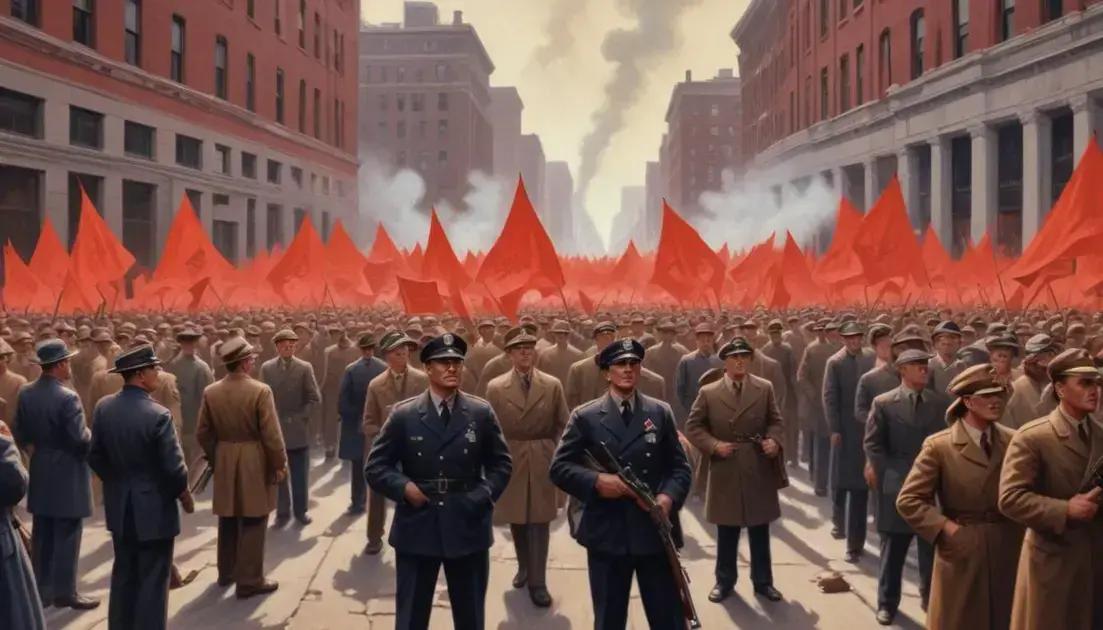
The Cold War started after World War II. It was a time of tension between the United States and the Soviet Union. People lived in fear of nuclear war. Many thought the world could end anytime. This fear changed daily life for many.
Homes were built with shelters in mind. Families prepared for the worst by stockpiling food and water. Schools taught children what to do if an attack happened.
Movies and books from that time show the worry people felt. Popular culture reflected the fear as well. Art and music often had themes of safety and survival.
Government ads told families to build their own shelters. Many even offered plans for free! This showed how serious the threat felt to everyone.
As time went on, the fear of nuclear war became a part of everyday conversation. This impacted social behavior and relationships. Friendships formed around common fears.
The Cold War may be over, but its effects are still felt. The anxiety from that time shaped opinions on safety today.
The rise of Nuclear Shelters as a societal response
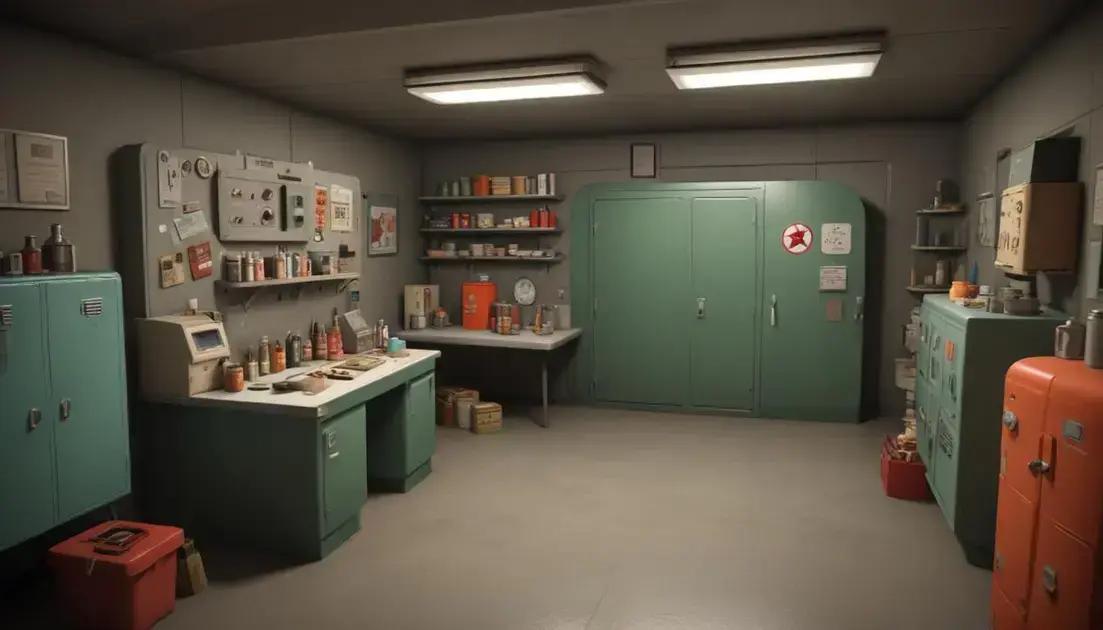
Nuclear shelters became popular during the Cold War. Many people feared a nuclear attack. They wanted a safe place to hide. Building a shelter seemed like a smart move.
At first, only the wealthy could afford to build them. But soon, shelters became more common. Families started making do-it-yourself plans. They used basements or backyard spaces for safety.
Schools and businesses also got on board. Many built shelters to protect children and employees. Governments encouraged this. They released information on how to build shelters.
As more people joined in, neighborhoods began to change. Families shared ideas and resources. This created a sense of community. Everyone was in it together.
Even today, some people still view shelters as important. They prepare for emergencies, both natural and man-made. The idea of having a safe space remains strong.
Shelters not only provided physical safety but also offered peace of mind. When people felt secure, they could focus on their lives instead of worrying. This change impacted society in many ways.
Personal stories of individuals preparing for potential disaster
Many families prepared for disaster during the Cold War. They wanted to be ready for any emergency. Personal stories show how this preparation affected lives.
One woman recalled making a special space in her basement. She filled it with food, water, and even games. She wanted her family to stay entertained if they had to wait out something scary.
Another man shared how he built a shelter in his backyard. He and his friends worked together on weekends. It became a fun project that turned serious. They laughed but also understood the risks.
Children were part of the planning too. They learned about safety drills in school. Some young kids thought the drills were like a game. Others felt scared and confused. Their stories reveal a mix of emotions during a tense time.
Even today, those who lived through this period have stories to tell. They remember the fear but also the creativity and community spirit that came from preparing together. These personal tales show the human side of living under the shadow of disaster.
The psychological effects of living in fear during the Cold War
Living in fear during the Cold War took a toll on many people. Constant worry about nuclear war changed how families interacted. It created stress and anxiety in everyday life.
Children often felt scared at school. They practiced drills but didn’t fully understand why. Some kids had nightmares about attacks. Their fears were real, even if the threat wasn’t.
Adults faced similar challenges. Many struggled to focus at work. Worries about safety lingered in their minds. This fear caused tension at home too. Families often argued over preparedness and safety concerns.
Some turned to support groups. Sharing experiences helped ease their minds. Talking about fears made them feel less alone. Many found comfort in community.
Even popular media reflected this fear. Movies and books explored survival themes. People wanted to see how others dealt with similar thoughts. These stories provided a release from their anxieties.
Despite the fear, resilience showed through. People learned to cope with stress in various ways. They found humor and strength in community, which helped them face uncertain times.
Reflection on how this shaped modern survivalist culture
The Cold War’s fear influenced many aspects of life, including survivalist culture. This culture embraces being prepared for emergencies or disasters. It emphasizes self-sufficiency and readiness.
Many people today remember the anxiety from the Cold War. They want to ensure their families are safe. As a result, survivalist groups have gained popularity. These groups focus on skills like camping, hunting, and food storage.
Social media has played a big role in this trend. Online communities share ideas, tips, and personal stories. People connect over their desire to be prepared. They often host workshops to teach others.
The rise of natural disasters has reinforced the survivalist mindset. Many see it as essential to have supplies on hand. People stockpile food, water, and first aid items. Being ready can provide peace of mind.
Survivalist culture also encourages learning practical skills. Gardening, fishing, and cooking are common topics. These skills help people feel more confident in uncertain times.
While fear of the Cold War may have faded, the desire for safety remains strong. This has shaped how people view preparedness today.
Conclusion
In conclusion, the impact of the Cold War on society shaped many aspects of life today. The rise of nuclear shelters showed how people prepared for potential disaster. Personal stories reveal the deep fear and anxiety many felt during that time. It also influenced survivalist culture, emphasizing self-sufficiency and readiness.
As communities come together, the desire to be prepared remains strong. People focus on practical skills and supplies to ensure safety. This preparedness helps provide peace of mind in uncertain times. By reflecting on our past, we can understand how it shapes our present and future. Embracing preparedness is not just about fear, but about fostering resilience and community.
Tags: