Art Under Surveillance: Censorship During the Cold War
Cold War art has significantly impacted contemporary society by addressing themes of censorship, freedom, and resistance. Artists from this era faced challenges that pushed them to creatively express their ideas, leading to a lasting influence on today’s art. This cultural legacy continues to inspire modern artists to engage with relevant social issues, while exhibitions showcasing Cold War art promote public awareness and discussion around these important themes.
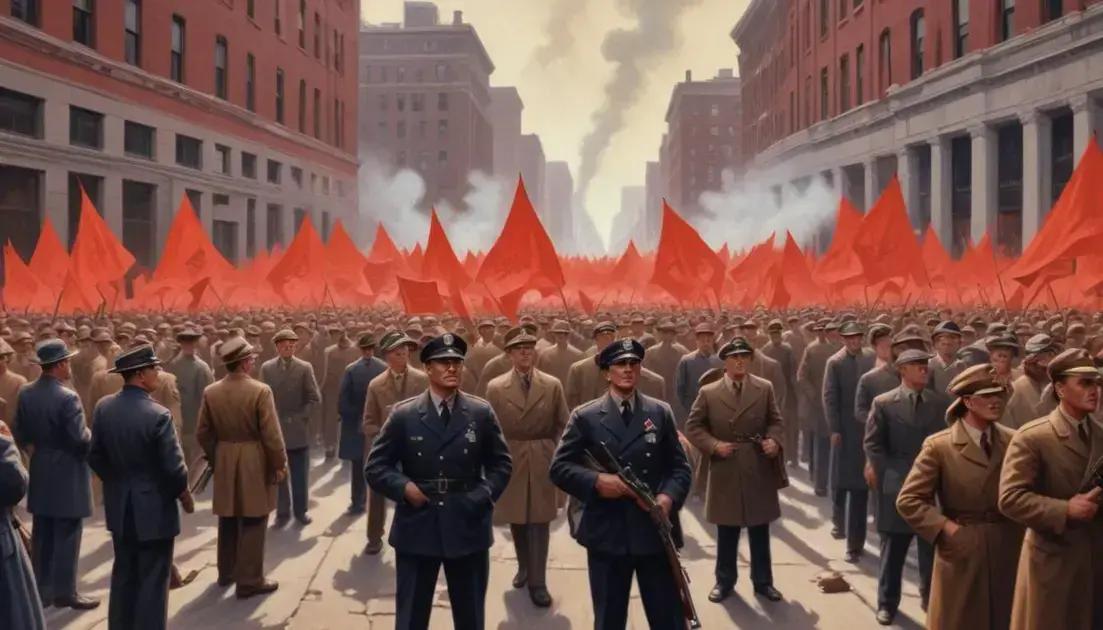
In times of conflict, Censorship can reshape the face of art. This article delves into how artists resisted oppression during the Cold War, using creativity as a weapon against suppression.
The impact of censorship on artists
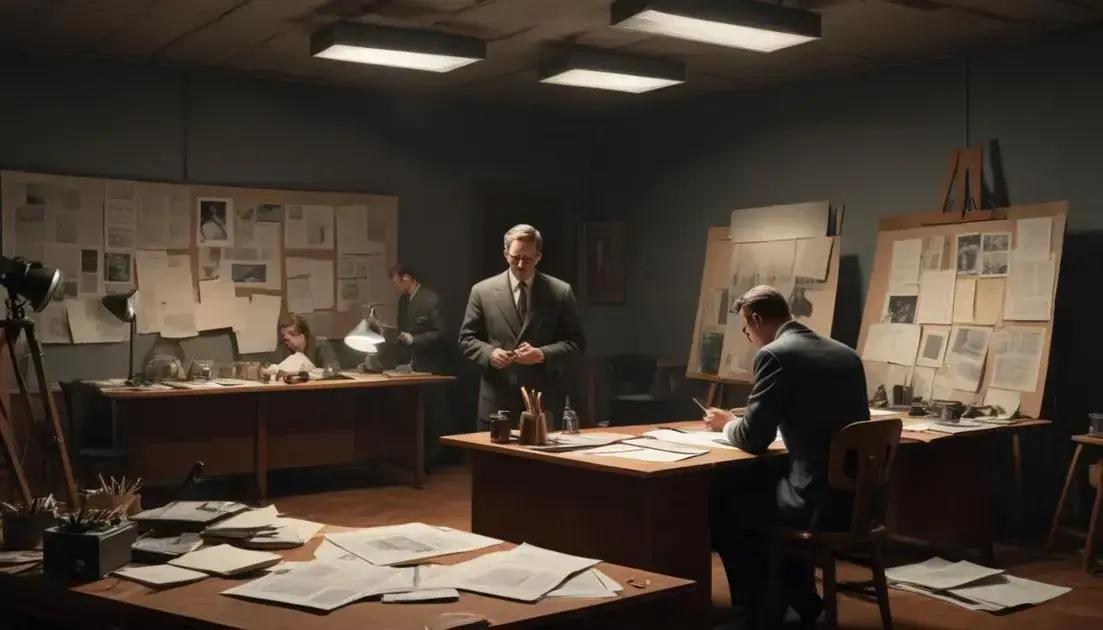
Censorship can have a big impact on artists and their work. When artists express their ideas, they can face restrictions from the government or society. This can make it hard for them to share their true vision.
How Censorship Shapes Art
Many artists feel the heat of censorship. It can change the way they create and what they choose to express. Some might even change their style to avoid trouble. This can limit their creativity and take away their voice.
Examples of Censored Art
Throughout history, we’ve seen famous artists struggle with censorship. For instance, during the Cold War, some paintings or performances could not be shown in public. This pushed artists to find different ways to communicate their messages, often leading to underground movements.
The Role of Art in Resistance
Art becomes a powerful tool for resistance. Artists often use symbolism to speak out against oppression without directly challenging the authorities. This creativity can draw attention to important issues and engage the public.
Despite the restrictions, many artists continue to create. Their work often reflects the truths of their time and casts a light on social and political issues. This is how art survives even under heavy censorship.
Art as a means of political resistance
Art can be a strong form of political resistance. Many artists use their work to speak out against injustice. They express their feelings and ideas about society through creative channels.
The Power of Expression
Through paintings, music, and performances, artists tell important stories. Their art can shine a light on issues that matter to them and their communities. This often helps raise awareness and inspire change.
Historical Examples of Art in Resistance
Throughout history, artists have faced censorship but still fought back. For example, during the Cold War, some used art to challenge the status quo. They created pieces that provoked thought and encouraged discussion about freedom and rights.
Art Connecting People
Art can also unite people in a common cause. When artists share their views, it builds a sense of community. Many people can relate to the emotions captured in the artwork. This shared experience can lead to collective action.
In times of oppression, creativity often thrives as a way to push boundaries. Artists find ways to convey their messages, even in the face of powerful forces. Their work shows that art is not just for beauty; it’s a tool for change.
Notable artists and their struggle during the Cold War
Many notable artists faced struggles during the Cold War. They had to navigate tough times filled with censorship and fear. This period pushed many to be more creative and outspoken in their work.
Famous Artists of the Era
Artists like Pablo Picasso and Jackson Pollock used their talent to express opposition to oppression. Their works often contained hidden messages about freedom and resistance. This made their art not just beautiful but also powerful.
The Challenges They Faced
During the Cold War, artists struggled with censorship from governments. Some faced threats and persecution for their beliefs. Many were forced to leave their home countries to find creative freedom.
Art as a Reflection of Society
The works of these artists often reflected the tension of their times. They created pieces that spoke to their experiences and thoughts about war and peace. This made their art resonate with many people and still speaks to us today.
In many ways, their struggles shaped the future of modern art. They pushed boundaries and showed how art can challenge authority. This legacy lives on and continues to inspire new generations.
The duality of art: censorship and expression
Art often shows a duality between censorship and expression. On one hand, artists face limits on what they can create. On the other hand, they find ways to express themselves despite these challenges.
The Tension Between Freedom and Control
Censorship can create a struggle for artists. They may worry about how their work will be received. This worry can make them hesitant to share their true thoughts and feelings.
Creative Responses to Censorship
When faced with censorship, many artists become more inventive. They use symbols and metaphors to hide their true messages. This clever approach allows them to express their views while avoiding direct conflict.
The Impact on Audiences
This tension also affects audiences. When art addresses censorship, it can provoke thought and discussion. Viewers may begin to question what they see and hear in their own lives.
Ultimately, the relationship between censorship and expression is complex. Artists continuously navigate these waters, pushing boundaries while finding ways to communicate. This struggle for freedom keeps art alive and relevant.
The legacy of Cold War art on contemporary society
The legacy of Cold War art still influences contemporary society today. Art from this period reflects the struggles and ideas of its time. Many themes from the Cold War continue to resonate in modern art.
Art as a Response to Conflict
Cold War artists often used their work to respond to conflict and tension. They addressed issues like censorship, freedom, and identity. This has paved the way for current artists to explore similar themes.
Reflections in Modern Art
Today, many artists look back at Cold War art for inspiration. They use the same tools to challenge authority and provoke thought. This creates a rich dialogue between past and present.
Art Exhibits and Public Awareness
Exhibitions featuring Cold War art help educate the public. These shows shed light on important issues like human rights and freedom of expression. By showcasing this art, we can better understand our own times.
Overall, the impact of Cold War art is significant. Its legacy encourages new generations of artists to engage with pressing social issues. This connection keeps the spirit of artistic resistance alive.
Conclusion
In conclusion, the influence of Cold War art on contemporary society is truly powerful. This art not only reflects the struggles of its time but also inspires today’s artists. It encourages them to tackle important issues like freedom and censorship.
By learning from the past, we can find ways to address challenges in the present. Exhibitions that showcase Cold War art help us understand these themes better. They invite discussions that remain relevant today.
Art will always be a tool for expressing resistance and sparking change. As we move forward, we must celebrate the legacy of Cold War art and its impact on our society.
Tags: