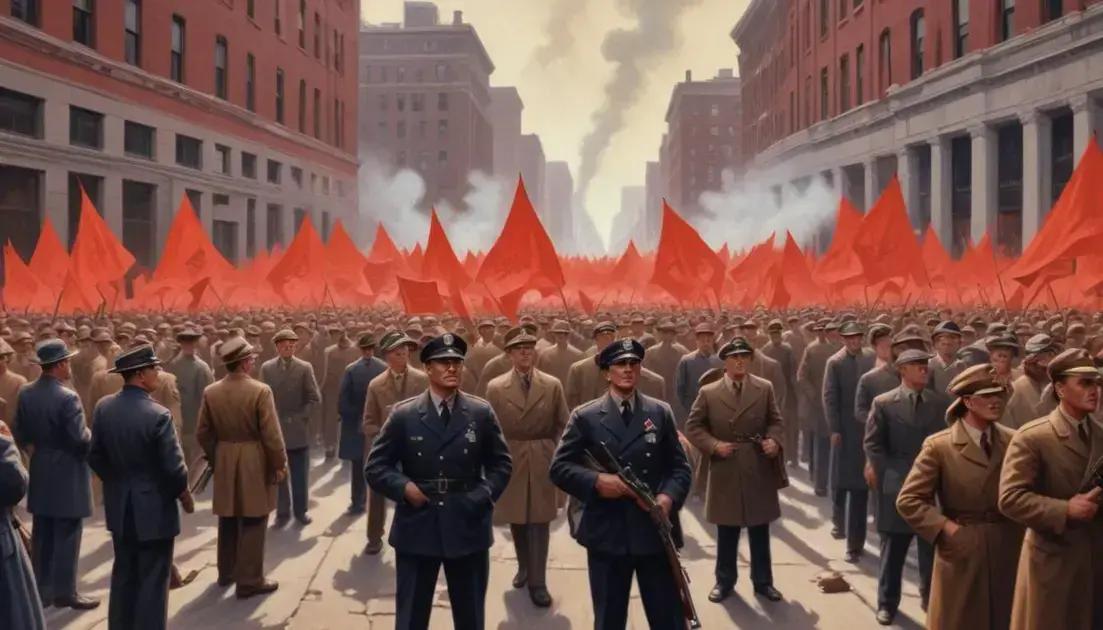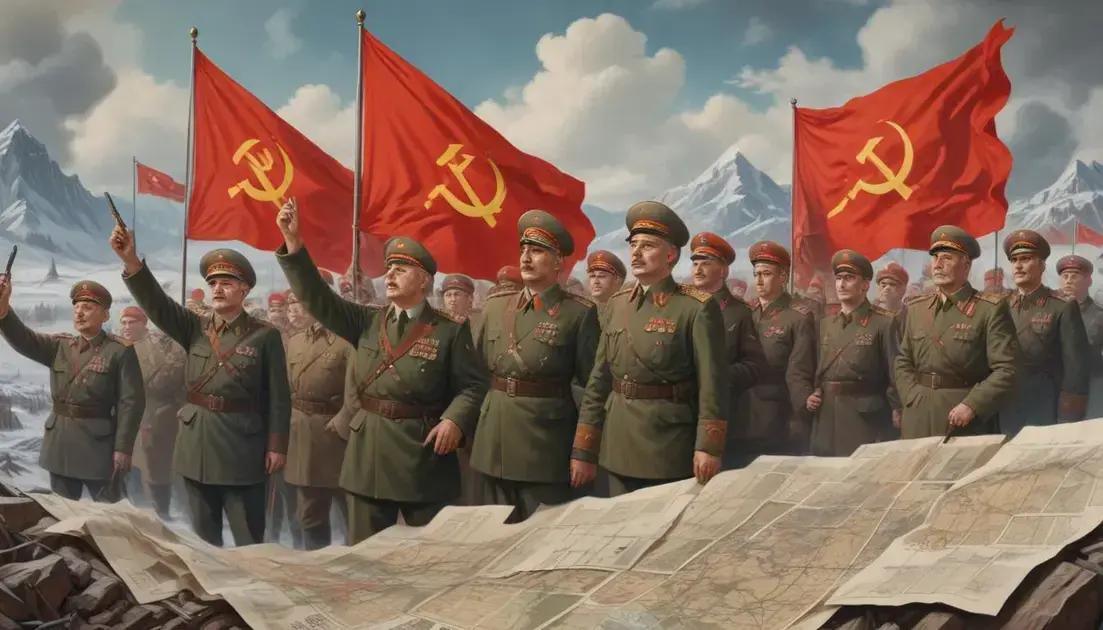
Red Revolutions: Soviet Support for Movements Worldwide
The legacy of Soviet support has profoundly influenced global politics, social movements, and economic outcomes since the Cold War. This support played a key role in reshaping nations, fostering ideological expansion, and impacting international relations. As countries navigate their political landscapes today, understanding these historical interactions is crucial for recognizing their lasting effects on modern governance and diplomacy.
Have you ever wondered how Soviet support shaped the course of global revolutions? From funding insurgencies to ideological backing, the Kremlin played a pivotal role in many movements worldwide. Let’s dive into this complex history!
Soviet Strategies: Funding and Support
The Soviet strategies for funding and support were crucial in many global revolutions. They provided resources and training to various groups, helping them fight against established governments. Often, these movements sought to spread socialism and oppose Western influences.
Types of Support Offered
Soviet support came in many forms. They supplied weapons, funds, and even military advisors to revolutionary leaders. This type of backing made a significant difference in the success of these movements.
Key Movements Influenced
Many groups around the world benefited from Soviet aid. For example, movements in Vietnam and Cuba received crucial support that helped them achieve their goals. This foreign involvement often changed the course of history.
Impact on Global Politics
The influence of Soviet funding stretched far beyond individual countries. It challenged the political dynamics of the Cold War. The support often led to greater tensions between the East and West.
Challenges Faced
Even with significant support, challenges remained. Some sponsored revolutions struggled with internal divisions. Others faced strong opposition from local forces. These challenges showcased the complexity of revolutionary efforts and the unpredictable nature of political change.
Understanding these Soviet strategies gives us insight into how deeply interconnected global movements are. They reveal the lengths to which nations will go to secure ideological allies in their quest for power and influence.
Global Impact on RevolUTIONS
The global impact on revolutions was significant during the Cold War. Many countries experienced shifts due to Soviet involvement. The backing of revolutionary movements often changed the political landscape.
Nationwide Changes
Soviet support helped movements gain traction. In many places, this led to new governments that aligned with communist ideals. These changes weren’t always smooth and often sparked conflict.
Sparking Regional Conflicts
Revolutions fueled by Soviet funding often sparked regional issues. Neighboring countries sometimes reacted with military force. This led to tensions that could last for decades.
Influence on Ideologies
The support given also affected local ideologies. Many movements adopted Marxist ideas, even if they had different goals. This mixing of beliefs shaped new political thoughts around the globe.
Effects on Global Power Dynamics
Soviet involvement in revolutions affected superpower relations. The West often felt threatened by these changes. This led to a series of confrontations and costly conflicts in various regions.
Understanding the global impact on revolutions helps us see how interconnected our world is. Every action taken in support of a revolution had effects beyond borders.
Case Studies of Supported Movements
Case studies of supported movements showcase how Soviet aid changed the course of history. Each movement tells a unique story of struggle and triumph. Let’s look at a few notable examples.
Vietnam War
During the Vietnam War, the Soviets provided significant support to North Vietnam. This included weapons and military training. Their aid helped North Vietnam push back against American forces.
Cuban Revolution
In Cuba, Fidel Castro’s revolution received key backing from the Soviets. They provided resources that allowed Castro to consolidate power. This changed Cuba’s relationship with the United States for decades.
Angolan Civil War
The Angolan Civil War saw a similar pattern. The Soviets supported the MPLA, giving them military aid to fight against UNITA forces. This conflict lasted for many years, with lasting impacts on the region.
Chilean Coup
In Chile, Soviet support for leftist groups was also significant. They aimed to help those who opposed the government of Augusto Pinochet. While not as direct, their influence shaped political agendas.
These case studies show how Soviet support worked on different levels. Each movement highlights the interconnected nature of global revolutionary efforts. They reflect the complex decisions made during a time of ideological conflict.
Ideological Expansion vs. Western Containment
The struggle between ideological expansion and Western containment defined Cold War politics. The Soviets aimed to spread socialism globally. They believed this ideology would improve lives worldwide.
Soviet Ideological Goals
The Soviets sought to expand their influence. They supported various movements promoting communism. This effort was about more than politics; it was also about cultural change.
Western Responses
In response, Western nations worked to contain communism. They believed that if communism spread, it would threaten democracies worldwide. Policies like the Truman Doctrine aimed to stop the spread.
Key Conflicts
This ideological battle led to many conflicts. From Korea to Vietnam, the two sides faced off in proxy wars. Each side sought to prove their system was superior.
The Global Impact
The tension between these ideologies affected many nations. Countries often had to choose sides, leading to economic and military alliances. Countries in Africa, Asia, and Latin America felt the pressure.
Understanding this ideological expansion versus Western containment helps us see the past’s complexities. It shows how global politics shape decisions and conflicts worldwide.
Post-Revolution Outcomes
Post-revolution outcomes can vary greatly from one country to another. Each revolution leads to new challenges and opportunities. Understanding these outcomes helps us see how revolutions impact nations long-term.
Political Changes
After a revolution, political structures often shift. New governments may embrace different ideologies. In many cases, this leads to instability as new leaders try to establish control.
Economic Impacts
The economy can also change significantly. Some countries experience growth due to new policies. Others may face economic hardships, making day-to-day life difficult for citizens.
Social Changes
Social dynamics usually shift after a revolution. New rights may be granted, or, conversely, people may face oppression. These changes often lead to new social movements, seeking to address fresh issues.
International Relations
Post-revolution outcomes affect international relationships too. Countries may realign their alliances based on new leadership. This realignment can either strengthen or weaken global ties.
The aftermath of revolutions shows that change is not always easy. It often brings a mix of progress and setbacks. Each outcome shapes the future course of the nation.
Conclusion: The Legacy of Soviet Support
The legacy of Soviet support is complex and far-reaching. It shaped many nations and their political landscapes. The aid offered often led to significant changes in governance and societal structures.
Lasting Political Effects
Many countries still feel the impacts of Soviet influence today. Political systems can trace their roots to support received during the Cold War.
Social and Cultural Changes
Soviet support also sparked social movements that continue to evolve. Ideas born from this era have influenced generations and continue to inspire activism.
Global Relations Today
The effects of Soviet support extend to modern diplomatic relations. Some countries maintain ties with Russia, while others still feel the strain of past interventions.
Understanding this legacy helps us appreciate how past actions shape our world. The history of Soviet support tells a rich story of change, challenge, and impact on global affairs.
Conclusion
In conclusion, the legacy of Soviet support has left a lasting mark on many nations. The involvement during the Cold War shaped political systems and influenced social movements worldwide. Understanding these effects helps us see how the past connects to our present.
As countries navigate their political landscapes today, they must remember the lessons from history. The interactions during that era continue to inform global relationships. Ultimately, recognizing the impact of Soviet support encourages us to learn from history and strive for a better future.