Dictatorships and Washington: The Dark Side of the Cold War
The Cold War involved significant U.S. support for authoritarian regimes in the name of combating communism. This support often came at the expense of human rights, with many individuals experiencing torture and imprisonment. Political implications included rising anti-American sentiment and shifting alliances, which led to instability in various regions. Understanding these consequences is crucial for modern foreign policy, emphasizing the importance of promoting human rights and freedom while reflecting on the lessons from this complex historical era.
Cold War dictatorships played a vital yet dark role in shaping modern politics. Ever wondered how these regimes thrived under U.S. support? Let’s uncover this tangled history.
Introduction to Cold War dictatorships
During the Cold War, many dictatorships emerged around the world. These regimes often received support from Washington. The U.S. believed it was crucial to combat communism. They thought that backing certain leaders would help maintain stability.
Understanding Cold War Dictatorships
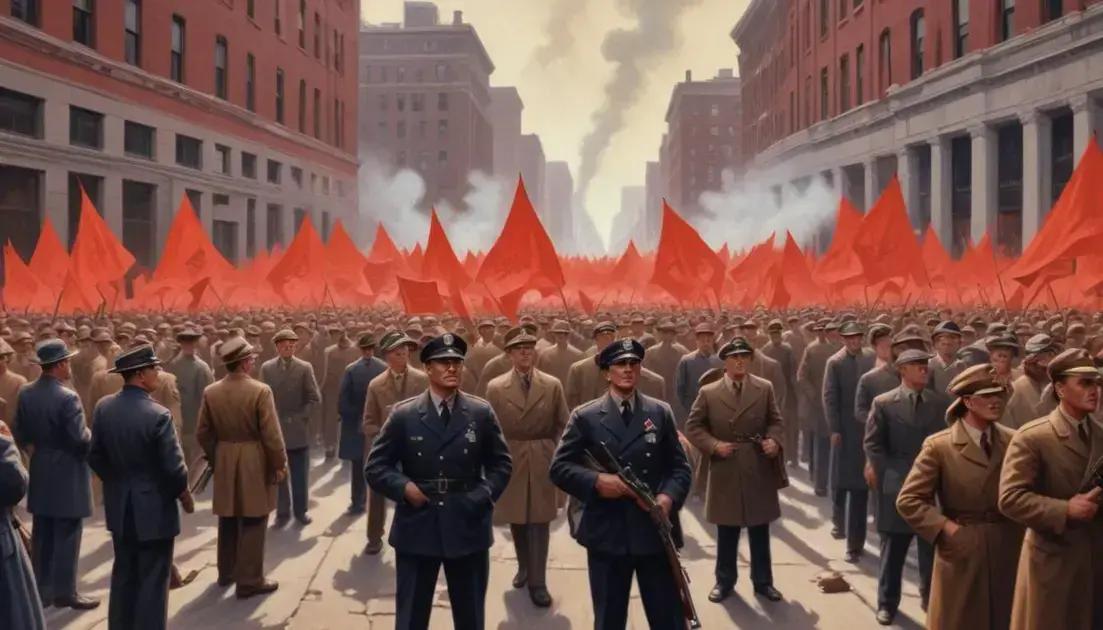
Dictatorships can take different forms. They might control the government tightly. They can restrict personal freedoms and suppress dissent. The U.S. looked past these actions in some cases. All to counter the spread of communism.
Leaders in countries like Chile and Iran got support from the U.S. This was often done through military aid or economic support. While some saw these leaders as necessary, others viewed them as oppressive. This created a complicated legacy for the U.S.
Many people suffered under these regimes. Human rights abuses were common. Reports of torture and imprisonment surfaced regularly. This raises questions about U.S. involvement in such actions.
Why Support Dictators?
The main idea behind this support was to prevent what was seen as a greater evil: communism. The Cold War was about power—who would control world politics? Some believe this strategy led to more instability in the long run.
As we explore this topic further, it’s vital to consider both sides of the story. The impact of these decisions didn’t just affect governments; they affected everyday people’s lives.
The role of Washington in supporting regimes
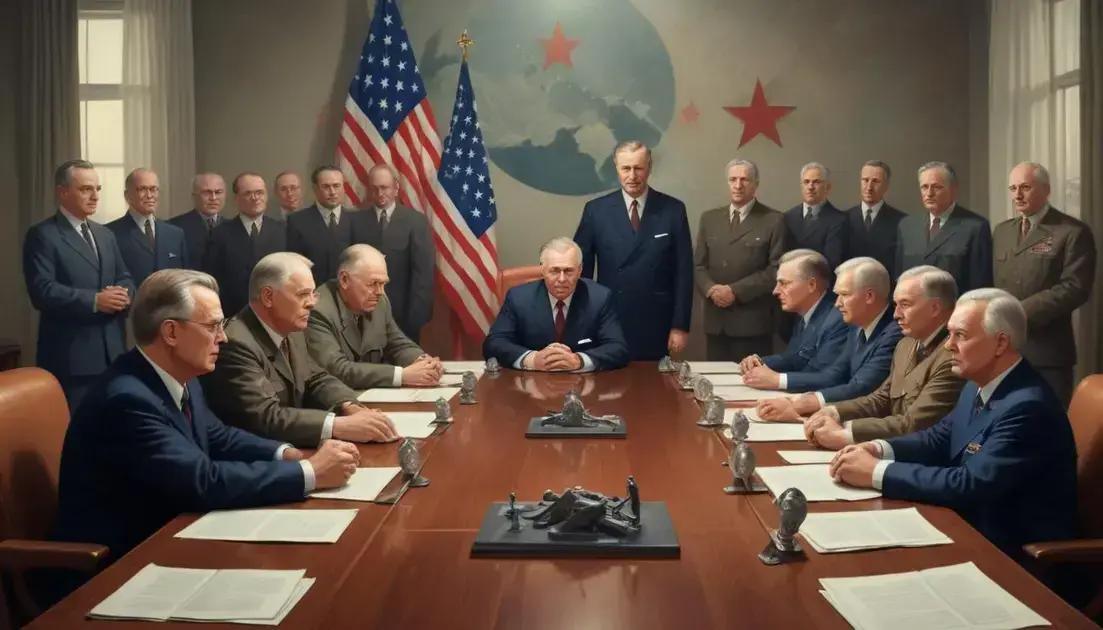
Washington played a key role in supporting several regimes during the Cold War. This support was aimed at fighting communism. The U.S. often provided military aid and financial assistance to these governments.
Military Support
The U.S. supplied weapons and training to various military forces. Countries like Argentina and Chile received significant military help. This backing often came without much regard for human rights.
Economic Aid
Financial aid was another crucial aspect. The U.S. pumped money into these regimes to help them stay in power. This made them strong allies against the spread of communism.
Some leaders were known for their harsh tactics. Still, the U.S. overlooked their actions. They saw them as vital allies in a global struggle.
Political Influence
Washington also influenced political systems within these countries. They supported leaders who aligned with U.S. interests. This created a web of relationships based on mutual benefit, though often at a great cost to local populations.
Many critics argue that this support led to serious consequences. It raised ethical questions about the price of political alliances. Understanding Washington’s role reveals much about the complex nature of Cold War politics.
Consequences for human rights
Supporting dictatorships during the Cold War had serious consequences for human rights. Many regimes used violence to maintain power. This often led to widespread abuse and suffering.
Human Rights Abuses
Countless people faced imprisonment without fair trials. Torture and disappearances became common. Citizens lived in fear of their own governments.
The U.S. often turned a blind eye to these abuses. As long as these leaders opposed communism, they seemed acceptable. This raises big questions about American values.
Civil Liberties
Freedom of speech and assembly were crushed in many countries. Governments imposed strict laws to silence dissent. Activists and reporters faced harsh consequences for speaking out.
Children and families were caught in the crossfire during conflicts. Many lost their homes and livelihoods. This left deep scars in societies for decades.
Long-Term Effects
Even today, the impact of these actions lingers. Many countries struggle with democracy and human rights. Citizens continue to fight for basic freedoms that were denied for so long.
Reflecting on this history reminds us that support for regimes comes with responsibility. Understanding the consequences can help guide better decisions in the future.
Political implications
The political implications of supporting dictatorships during the Cold War were significant. These choices shaped policies and relationships worldwide. The U.S. often prioritized short-term gains over long-term stability.
Shifting Alliances
By backing certain regimes, political alliances often shifted dramatically. This affected how other countries viewed the U.S. Many nations felt unfairly judged by America’s support for oppressive leaders.
Emergence of Anti-Western Sentiment
As dictators ruled with heavy hands, resentment grew. Many people in these nations blamed the U.S. for their suffering. Anti-Western sentiments increased, leading to conflicts and hostility.
These feelings fueled the rise of radical groups. Extremist ideologies found fertile ground in areas where U.S. support had caused pain. It’s essential to understand how these dynamics formed.
Impact on U.S. Foreign Policy
Supporting dictators also complicated U.S. foreign policy. When new leaders emerged, they often took a different path. Some turned against the U.S. after gaining power.
This created a cycle of instability. Countries that could have stabilized instead fell into deeper turmoil. American policy decisions set off a chain of events that impacted global politics for years.
Analyzing these political implications shows how decisions made long ago still affect us today. Recognizing the consequences of supporting dictatorships can inform better choices in the future.
Conclusion
During the Cold War, the U.S. made complex choices. The support for dictatorships often had serious consequences. These decisions shaped international relationships and domestic politics.
Impact on Human Rights
Supporting these regimes often led to severe human rights abuses. Citizens endured torture, imprisonment, and loss of freedom.
Political Consequences
These actions created lasting resentment in many countries. Anti-American sentiments grew, leading to new challenges for the U.S.
Many leaders turned against America, creating a cycle of instability.
Lessons for the Future
Understanding these outcomes helps us learn from past mistakes. Policymakers must consider human rights when making decisions.
As we reflect on this important history, it’s vital to focus on promoting freedom and dignity for all people. The legacy of the Cold War offers lessons that remain relevant today.
Conclusion
In conclusion, the Cold War era taught us important lessons about supporting dictatorships. The choices made by the U.S. came at a high cost, affecting human rights and international relations. Many people suffered under oppressive regimes, and resentment toward the U.S. grew in various countries.
Understanding these consequences is crucial for today’s policymakers. Promoting freedom and respect for human rights should be a priority in foreign relations. As we reflect on this history, it’s clear that our decisions can shape the future. By learning from the past, we can strive towards a more just and peaceful world for everyone.
Tags: