Africa in the Cold War: Independence Under Global Influence
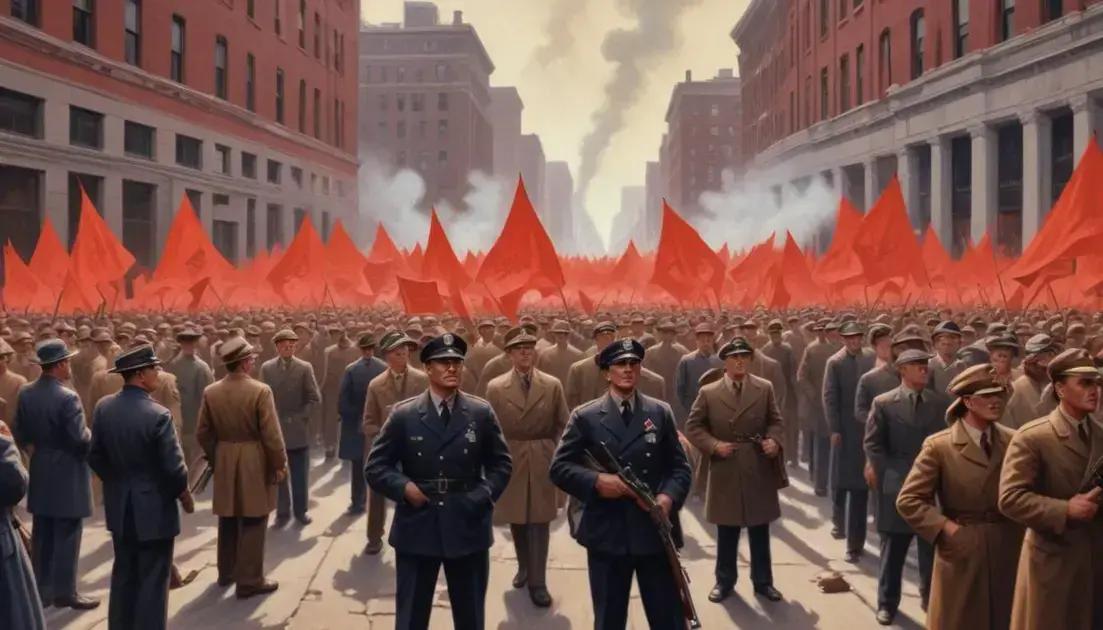
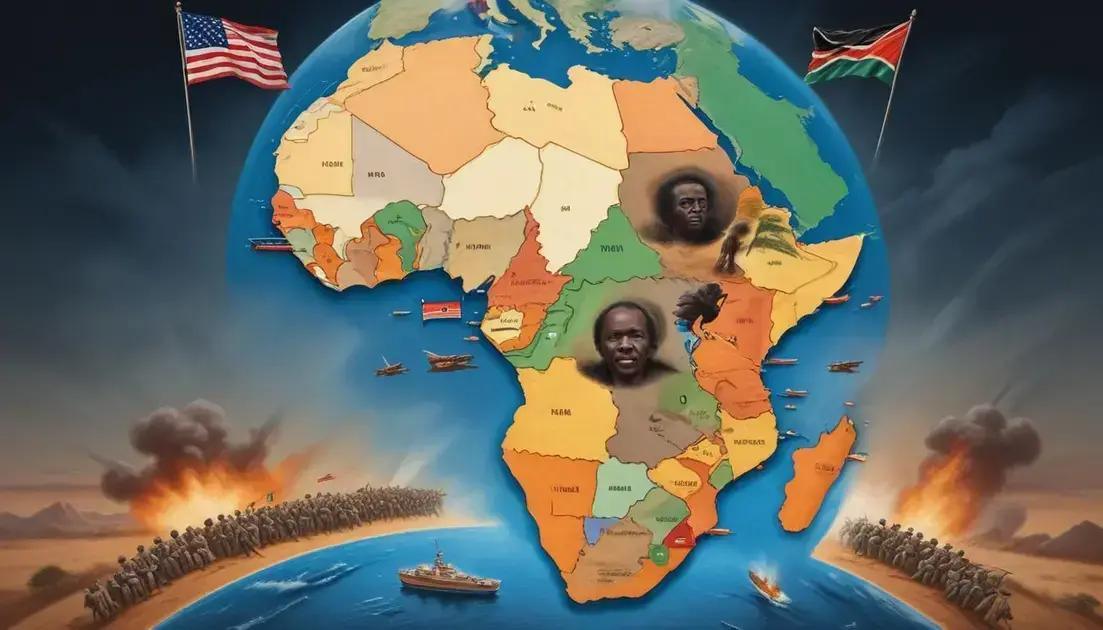
The Cold War significantly influenced Africa’s independence movements, as superpowers like the USA and the USSR sought to extend their impact across the continent. Many African nations faced internal conflicts and external pressures, leading to a complex path toward self-determination. The legacy of the Cold War continues to shape the political and economic landscape of Africa today, with long-lasting effects on governance, identity, and social unity.
Cold War tensions deeply influenced Africa’s path to independence. As nations fought for self-determination, superpowers played a significant role. Curious how these dynamics shaped the continent?
Introduction to the Cold War in Africa
The Cold War in Africa was a unique chapter in global history. It began after World War II when many African nations sought independence. These countries were not just focusing on freedom; they were also caught in a struggle for influence between two superpowers: the United States and the Soviet Union.
During this time, Africa became a battlefield for ideas and ideologies. Nations faced pressure to choose sides. Some leaders aligned with the West, hoping for support in their quests for development. Others leaned towards the Soviet Union for its promise of assistance and socialist ideals.
The impact of the Cold War on African independence was profound. Countries like Angola and Mozambique faced violent conflicts fueled by outside forces. The superpowers supplied arms and funding, which made these struggles even more intense. Many Africans fought bravely for their freedom, often facing harsh realities.
This period was not just about politics; it also shaped cultural and social aspects of African life. The quest for independence brought together diverse groups of people, forging a strong sense of identity and unity. It also created challenges, as nations struggled to establish stable governments amid ongoing tensions.
As we dive deeper into the Cold War’s impact on Africa, it is crucial to understand the experiences and dreams of its people. Their stories of struggle, resilience, and hope continue to resonate today.
Impact of Superpowers on African Independence
The impact of superpowers on African independence was huge. As African nations fought for freedom, they drew attention from the United States and the Soviet Union. Both powers wanted to expand their influence across the continent.
In many cases, the superpowers offered support to different groups. For instance, the US often backed nations leaning towards capitalism. This support included money, military aid, and political backing. On the other hand, the Soviet Union was more inclined to support socialist movements. They aimed to promote their ideology by helping liberation movements.
This competition had serious effects on African nations. It often led to conflicts within countries. Groups that received backing from superpowers fought against others, creating divisions. These conflicts hurt ordinary people and made the struggle for freedom even harder.
Moreover, the superpowers used Africa as a testing ground for their ideologies. They provided weapons and training to various factions. This made independence movements more violent and prolonged many conflicts.
The role of superpowers showed how global politics affected local struggles. While Africans aimed for self-determination, they also had to navigate these external influences. This complex relationship with superpowers shaped the course of African history during the Cold War.
Key Struggles for Independence
Key struggles for independence in Africa were often intense and complex. Many nations faced resistance as they sought to break free from colonial rule. This struggle was not just against colonial powers but also involved internal conflicts.
One major struggle was the fight against colonial authorities. Colonizers aimed to keep control over resources and people. They often used force to suppress resistance. Many brave Africans organized protests, uprisings, and sometimes armed rebellions. They fought for freedoms that seemed far away.
Another challenge was the differing visions of independence. Various groups had different ideas about what freedom should look like. Some wanted socialist reforms while others aimed for capitalist systems. These differences sometimes led to conflicts among the liberation groups themselves.
Additionally, the Cold War added another layer of complexity. Superpowers often supported certain factions based on their ideologies. This outside influence complicated the independence movements further, as nations battled for both local and global interests.
Cultures and traditions also played a big role in these struggles. Many leaders drew inspiration from local history and values. They wanted to ensure that new governments reflected the people’s desires and not just foreign interests. This cultural connection was key in rallying support for independence.
Understanding these key struggles helps us appreciate the resilience of African nations. Their pathways to independence were not straightforward but full of courage and determination.
Legacy of the Cold War in Africa
The legacy of the Cold War in Africa is still felt today. Many nations struggled to find their identity after gaining independence. The influence of global powers shaped their political landscapes.
One major effect was the division of countries along ideological lines. Some nations leaned towards capitalism, while others adopted socialist policies. This split made it hard for countries to unite and cooperate. It also led to ongoing conflicts and tensions.
Economically, many African nations faced challenges due to Cold War allegiances. Countries that relied heavily on superpower support often found themselves vulnerable. If their sponsors pulled back, they faced economic hardships.
Socially, the Cold War influenced cultural developments too. Many leaders used propaganda to promote their ideologies. This affected how people viewed their governments and each other. Trust within communities suffered as people were often pitted against one another.
Moreover, the arms race resulted in many nations being flooded with weapons. This created a culture of violence that hindered development efforts. The focus on military strength took away from addressing local needs.
Today, understanding this legacy is essential for moving forward. African nations continue to work toward unity, stability, and growth while grappling with the past.
Conclusion
In conclusion, the impact of the Cold War on Africa’s path to independence is profound. The struggles faced by nations during this time shaped their futures. Superpower involvement changed how countries approached politics and development.
As Africa moves forward, understanding this legacy is essential. Nations are working toward unity and growth while learning from their past. This history reminds us of the strength and resilience shown in the fight for freedom.
By recognizing the challenges of the Cold War, African countries can strive for a brighter future. They can build on their cultures, values, and shared history to develop a harmonious and prosperous continent.
Tags: