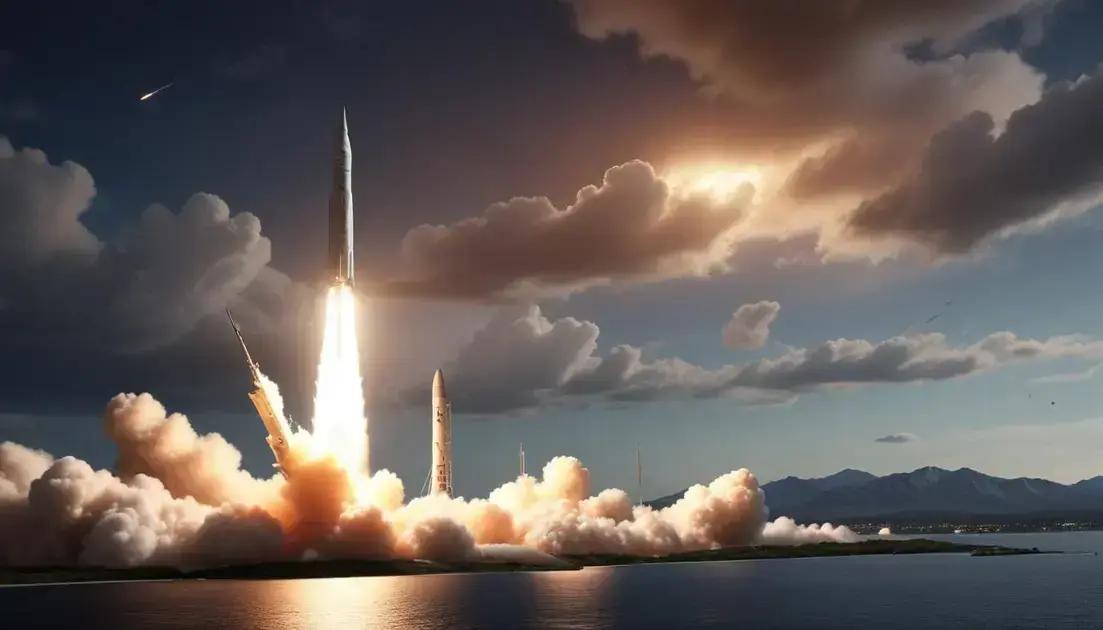
Intercontinental Missiles: The Long Arm of Superpowers
The evolution of missile technology has led to significant advancements in defense capabilities among global superpowers. Key players like the U.S., Russia, and China are continually developing and refining missile systems to enhance national security. Future developments in missile defense focus on advanced detection systems, cyber security, and international collaboration, making it essential for nations to adapt to emerging threats. Understanding these strategic implications is crucial for maintaining global safety and balancing power.
Intercontinental missiles have changed the dynamics of global warfare, allowing nations to project power across vast distances in just minutes. Curious about how?
The Evolution of Intercontinental Missiles
The evolution of intercontinental missiles has been a game changer in military strategy. These missiles can travel thousands of miles, reaching targets across oceans in minutes. They started in the mid-20th century during the Cold War.
The Early Days
The first intercontinental ballistic missiles (ICBMs) were developed by the U.S. and the Soviet Union. They were huge and could carry nuclear warheads. This led to a race between nations to build more advanced missiles.
Technological Advances
Over the years, technology improved significantly. New materials and designs made missiles lighter and more reliable. This meant longer ranges and better accuracy. Now, some ICBMs can hit targets with pinpoint precision.
The Cold War Impact
The Cold War was crucial for missile development. Countries invested heavily in missile technology to deter threats. The fear of nuclear war drove nations to enhance their capabilities. As a result, defense systems also evolved to counter these missiles.
Modern Innovations
Today, missiles are more sophisticated. They come with advanced guidance systems and multiple warheads. Some can even evade missile defense systems. This makes them a serious concern for global security.
As military technology continues to advance, the future of intercontinental missiles will remain a vital topic. Keeping up with these changes will help nations maintain their defense strategies.
Key Players in Missile Technology
Many countries have played a big role in missile technology. The United States, Russia, and China are three of the most powerful players. Each has unique strengths and focuses in developing missiles.
The United States
The U.S. has a long history of missile development. They created many advanced systems, including the Minuteman and Trident missiles. These missiles are capable of delivering nuclear warheads. The U.S. also invests heavily in research and development.
Russia
Russia is well-known for its strong missile capabilities. The Soviet Union’s legacy continues today. Russia focuses on developing long-range missiles with multiple warheads. They are known for their top-secret projects and new technologies, too.
China
China has quickly advanced its missile technology. The country has launched various missiles, including the DF series. These missiles aim to enhance China’s military power and global standing.
Other Countries
Many other nations are also making strides in missile technology. Countries like India, North Korea, and Israel have developed their own missile systems. They contribute to the global landscape of missile advancements.
These key players shape the future of missile technology. Their competition drives innovation and impacts military strategies worldwide.
Strategic Implications of Missile Capabilities
The strategic implications of missile capabilities are huge in today’s world. Nations must consider how these weapons affect global power. Missiles can change military tactics and political relationships.
Power Dynamics
Countries with strong missile technology often hold significant power. They can deter potential threats and influence other nations. This capability shifts the balance of power in international relations.
Deterrence Strategy
Missile capabilities are a key part of deterrence strategies. Countries want to prevent attacks by showing they can respond strongly. A strong missile defense can make an enemy think twice before acting.
Arms Race
The competition to develop better missiles can lead to an arms race. Countries invest heavily in technology to not fall behind. This not only increases tensions but can also lead to misunderstandings.
Impact on Alliances
Missile capabilities affect international alliances too. Countries may join forces for mutual defense against common threats. Strong missile technology can attract allies and strengthen existing relationships.
Future Considerations
As missile technology evolves, so do the strategies around it. Nations must adapt to new challenges, like cyber threats and missile defense systems from other countries. Understanding these implications is key for countries aiming to maintain their security and influence.
Future Developments in Missile Defense
The future developments in missile defense are critical as global threats change. Nations are investing in new technologies to stay ahead. This ensures they can protect their people and interests.
Advanced Detection Systems
Future missile defense will focus on better detection systems. New radar and satellite technologies can identify threats earlier. This allows for quicker responses and better outcomes.
Interception Technologies
Interception technologies are also evolving. New methods, like lasers and drones, can intercept missiles more effectively. These systems are designed to hit targets with high precision, even at great distances.
Cybersecurity Measures
As missile defense systems become more advanced, cybersecurity is essential. Protecting these systems from cyber threats will be crucial. Countries must ensure their defenses are secure from hacking and other digital attacks.
International Collaboration
Collaboration between nations plays a big role in missile defense advancements. Sharing technology and intelligence can strengthen global security. Joint exercises help ensure readiness against any threat.
Next-Generation Tools
As technology advances, new tools will emerge. Artificial intelligence and machine learning can enhance decision-making. These tools can predict attacks and improve response times.
The future of missile defense will depend on both innovation and cooperation. Countries must stay prepared for all possible challenges that arise.
Conclusion
In conclusion, the advancements in missile technology and defense systems are shaping the future of global security. Countries are constantly developing better ways to protect themselves from threats. With new technologies, like advanced detection systems and interception methods, nations can respond faster and more accurately.
Collaboration among countries is also crucial. Sharing knowledge and resources helps everyone stay safe. Investing in cybersecurity ensures these systems remain reliable and secure.
As threats evolve, so must our defenses. By focusing on innovation and cooperation, countries can better prepare for the challenges ahead. Understanding these developments will help us appreciate the importance of security in our world.