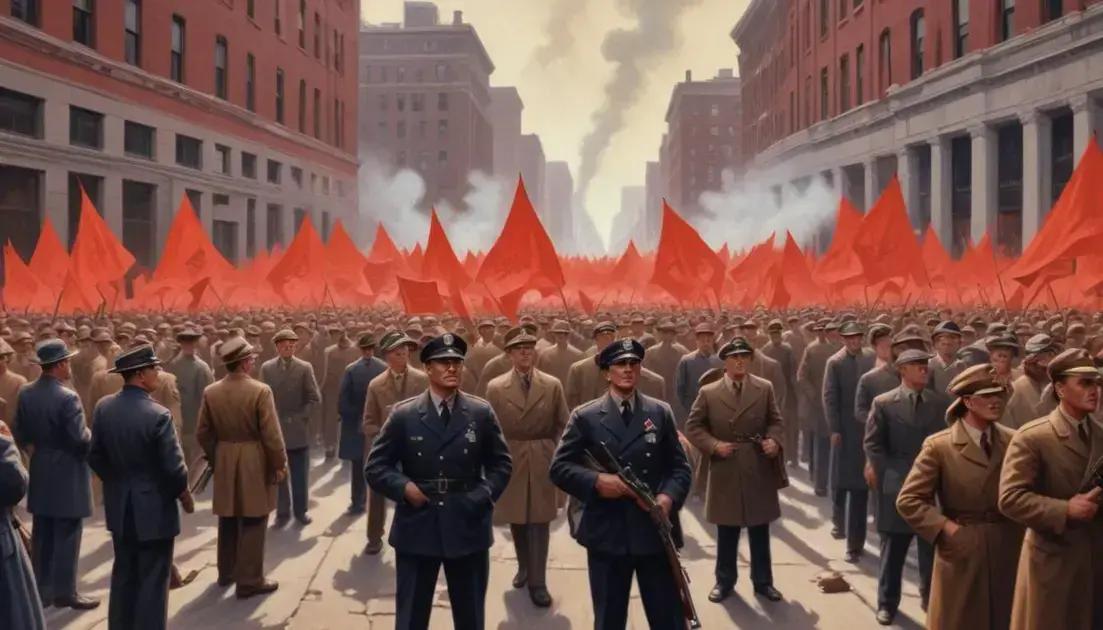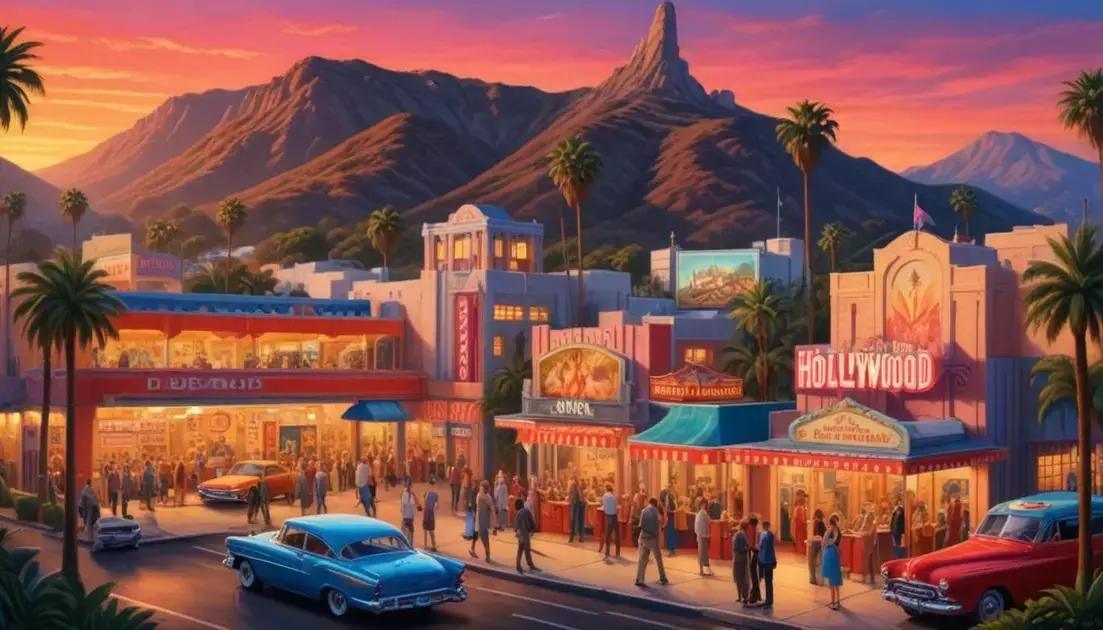
Hollywood Against Moscow: Cinema as Ideological Weapon
Hollywood’s relationship with cinema has evolved significantly over the decades, reflecting changing societal values and ideologies. Films now tackle a variety of themes, from social justice to cultural representation, fostering empathy and understanding among audiences. Key movies throughout history have both mirrored and shaped public perceptions, ultimately influencing cultural dialogues. Today’s films engage with pressing issues like climate change and identity, demonstrating the power of cinema to inspire discussion and change within society.
Hollywood is more than just a place; it’s a battleground for ideas and beliefs. Explore how films have shaped perceptions and challenged ideologies over the years!
The role of cinema in propaganda
Cinema has always played a key role in shaping public opinion. Movies can convey powerful messages that influence how we think and feel. In many cases, films act as tools for propaganda. They can promote certain ideas or lifestyles while pushing others aside.
How Films Influence Views
When we watch a movie, we often connect with the characters and their stories. This emotional connection can sway our thoughts. Films can show us the world from a different angle. They highlight what’s important and can make us question our beliefs.
The Power of Storytelling
Storytelling is at the heart of cinema. It allows filmmakers to paint a picture of their views. By using drama or humor, they can draw us into their narrative. This ability to engage and persuade makes cinema a powerful medium.
Examples of Propaganda Films
Throughout history, many movies have served as propaganda. For instance, during wartime, films often highlight national pride or demonize the enemy. These themes reinforce specific messages and encourage viewers to support a cause.
Movies like “Triumph of the Will” clearly exemplify this. They illustrate how cinema can be used to promote an agenda and shape cultural perceptions. Today, we still see similar tactics used, reminding us of cinema’s lasting influence.
Conclusion: Cinema as a Reflection of Society
Ultimately, movies are reflections of society. They can challenge existing norms and promote new ideas. By understanding the role of cinema in propaganda, we can become more aware of how films affect our views. This awareness empowers us to think critically about the media we consume.
Impact of films on public perception
Films have a huge impact on how people see the world. They can make us think differently about various topics. Take, for instance, films that tackle social issues. They often shine a light on problems we might not notice in daily life.
Shaping Opinions
Movies can shape our opinions about different cultures, lifestyles, and even politics. When we watch a film, we might feel empathy for characters who have different experiences from ours. This can encourage us to understand perspectives that we might not have considered before.
The Role of Representation
Representation in films is key. When a movie shows diverse characters, it gives a voice to those often left out. This visibility can influence how society views different groups. If audiences see positive portrayals, they may challenge their own biases.
Influence on Trends and Behaviors
Moreover, films can set trends. They can influence fashion, language, and even lifestyle choices. For example, a popular movie might spark interest in a certain style. People may start to imitate what they see on screen.
Think about how certain films have led to increased awareness of issues like climate change or mental health. These themes can lead to discussions that inspire action.
Conclusion: The Lasting Effect of Cinema
Overall, the impact of films on public perception is undeniable. They hold the power to spark conversations, shift opinions, and inspire change. Being aware of this influence can help us engage more critically with the movies we watch.
Key movies that shaped ideology
Throughout cinema’s history, certain films have left a mark on society. These key movies often shape our ideologies and views. They challenge our beliefs and provoke thought.
Classic Examples
Consider films like “Casablanca”. This classic film highlights themes of sacrifice and love during war. It influenced many viewers to think about loyalty and duty.
Modern Impacts
In recent years, movies like “Get Out” have tackled racial tensions. This film uses horror to comment on real issues. It opened discussions about race that many had avoided.
Documentary Films
Documentaries also play a significant role. Films like “An Inconvenient Truth” raised awareness about climate change. They educate viewers and encourage action.
Animation and Ideology
Even animated films can shape ideology. Movies like “Inside Out” teach emotional intelligence. They help audiences understand their feelings and the feelings of others.
These films remind us that cinema can influence our perceptions and beliefs. Each movie often sparks discussions that extend far beyond the screen, showing the power of storytelling.
The evolution of Hollywood’s stance
Hollywood’s stance has changed a lot over the years. In the early days, films focused on entertainment without deep political messages. However, as society evolved, so did cinema
.
Silent Films to Talkies
During the silent film era, movies often reflected simple themes. When sound was introduced, films became more expressive. They began to address social issues and showcase diverse voices.
The Golden Age of Hollywood
In the 1930s and 1940s, Hollywood played a crucial role during World War II. Films promoted patriotism and unity. They aimed to boost morale and support the war effort.
Challenging Norms
As the 1960s rolled in, filmmakers began challenging societal norms. Movies like “Guess Who’s Coming to Dinner” tackled issues like race and family. These films prompted open discussions about equality.
Modern Day Reflections
Today, Hollywood continues to address social justice themes. Films explore topics like climate change, gender identity, and mental health. This shift reflects a more inclusive approach, embracing different perspectives.
Overall, Hollywood’s evolution shows its ability to adapt to cultural changes. Each era leaves its mark, influencing how we view society through film.
Cultural reflections in film
Films often hold a mirror to society. They reflect our cultures, beliefs, and values. Through storytelling, movies show us who we are and what we care about.
Depicting Social Issues
Many films tackle social issues. For instance, movies about poverty highlight struggles many face. They help audiences understand these challenges better.
Representation Matters
Cultural representation in films is crucial. When diverse characters are shown on screen, it fosters understanding. Films with various backgrounds allow viewers to connect across different experiences.
The Impact of Setting
The setting of a film can speak volumes. A story set in a specific time or place often reveals cultural norms. It shows how history shapes attitudes and behaviors.
Influencing Change
Cinema can inspire change, too. Films like “Philadelphia” shine a light on health issues and discrimination. They can spark conversations that lead to real-life action.
Cultural reflections in film remind us how art and society influence each other. Each film contributes to a larger dialogue about who we are.
Conclusion
In conclusion, films play a vital role in shaping our society. They reflect our values and challenges, helping us understand ourselves better. Movies tackle important issues and showcase diverse perspectives, promoting empathy and awareness.
As Hollywood evolves, it continues to address cultural reflections through powerful storytelling. Cinema’s ability to influence public opinion shows just how connected we are to the art we consume. By engaging with these films, we can learn, grow, and inspire change in our communities. Let’s appreciate the power of film to create conversations and bring us closer together.