Socialist Realism: Art of the Soviet Regime
Socialist Realism is an important artistic movement from the Soviet Union that aimed to promote communist values through art, literature, and cinema. It emphasizes the lives and struggles of the working class, showcasing their heroism and commitment to society. Key artists like Alexander Gerasimov and Sergei Eisenstein created influential works that continue to impact cultural discussions today. The movement’s legacy encourages us to reflect on the role of art in political expression and societal identity.
Socialist Realism emerged under the Soviet regime as a powerful artistic movement, portraying workers as national heroes in cinema. Curious about its impact? Let’s dive into its vibrant world!
Introduction to Socialist Realism
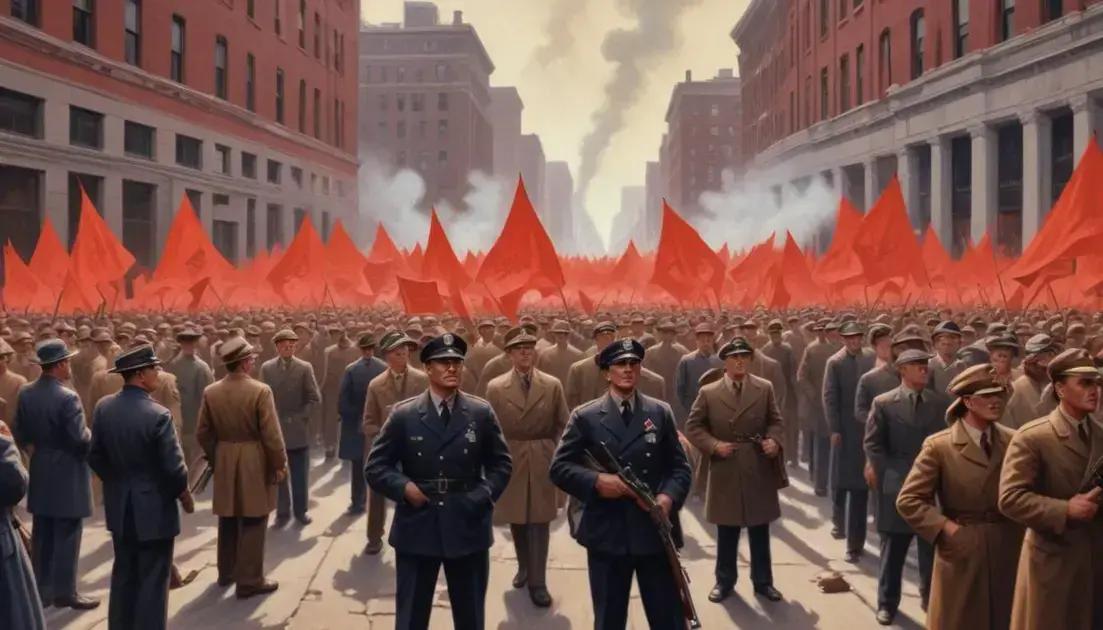
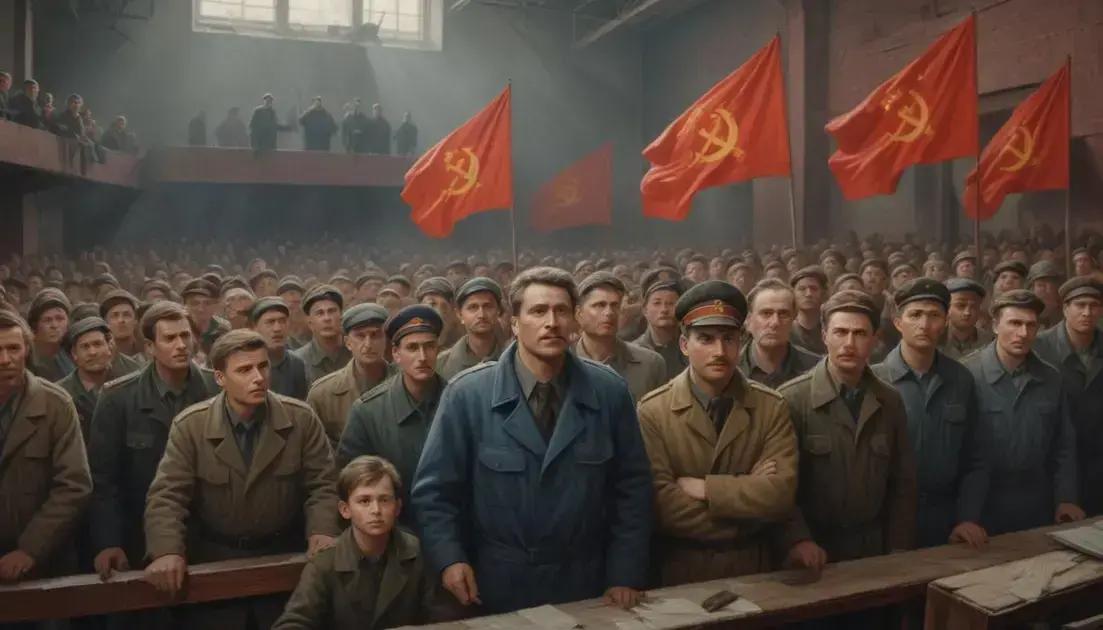
Socialist Realism was brought to life during the Soviet era. It wasn’t just art; it was a way of thinking and living. This style aimed to show the heroic life of workers and the achievements of communism. Artists painted scenes that highlighted the strength and struggles of the people. They depicted workers on the job, farmers in the fields, and heroes of labor.
By focusing on everyday people, Socialist Realism created a connection with the audience. The idea was to inspire hope and pride. Artists used bright colors and bold imagery. This made their work exciting and engaging.
The movement pushed artists to present a specific vision of reality. It wasn’t about just capturing moments; it was about promoting the ideals of the Soviet government. This meant sometimes bending the truth to create a more heroic narrative. The goal was clear: to motivate citizens towards building a better future.
In cinema, these themes were brought to life through captivating stories. Films celebrated the labor force and showcased the triumphs of collective efforts. Viewers were encouraged to see themselves as part of a larger scheme. This was an important way to cement the ideas of the Soviet regime in the minds of the people.
Historical Context of Soviet Art
The historical context of Soviet art is crucial for understanding Socialist Realism. After the Russian Revolution in 1917, many artists sought to express their hopes for a better society. They wanted their work to reflect new ideas about life and culture. The government saw art as a way to unite the people under communism.
In the 1920s, various artistic movements emerged in Russia. Artists experimented with styles like Constructivism and Suprematism. These movements focused on abstraction and modernism, often aiming to inspire the masses. Yet, this was just the beginning of changes in the art world.
By the 1930s, Stalin’s regime demanded a clear shift in artistic direction. The government wanted art to support its ideology. They pressed for Socialist Realism as the official style. This meant all art created under Soviet rule needed to celebrate the working class and communist values.
During this time, artists began producing works that were optimistic and heroic. They painted workers, farmers, and soldiers as champions of the Soviet system. These images aimed to inspire national pride and unity. Art became a tool for propaganda.
Understanding this historical backdrop helps us see why Socialist Realism is so important. It wasn’t just about art; it was about survival and purpose. Artists shaped a new cultural identity, reflecting the hopes and dreams of a nation in transition.
Key Artists and Works
In the realm of Socialist Realism, several key artists stand out for their impactful works. These artists shaped the movement and left a lasting legacy. One of the most notable figures is Alexander Gerasimov. He was known for his grand portraits of Soviet leaders and workers. His art emphasized strength and heroism.
Konstantin Kuznetsov is another important artist. His paintings often featured heavy industry and the valor of laborers. His work aimed to inspire hope and loyalty towards the state. You can feel the energy and dedication in his pieces.
David Shterenberg played a significant role too. He focused on the life of ordinary people. His art captured the joy and struggles of workers, making their experiences relatable. Through this, he showed the importance of every individual’s contribution to society.
Another key figure is Isaak Brodsky. He painted many portraits of Lenin, emphasizing his role in the Revolution. These portraits were not just likenesses; they served to remind people of the ideals of the Soviet regime.
These artists and their works created a visual language for the Soviet experience. They inspired pride in the working class and reinforced the values of the communist system. Their art remains important in understanding the history of Soviet culture.
Cinematic Influence and Legacy
The cinematic influence of Socialist Realism is profound and far-reaching. Film became a key tool for promoting Soviet values. Directors used the medium to tell stories that showcased the strength of the working class. These films aimed to inspire citizens and reinforce loyalty to the state.
One famous film is “The Battleship Potemkin” by Sergei Eisenstein. It tells the story of a 1905 mutiny by sailors against their oppressive leaders. The film uses powerful visuals to portray revolution and solidarity among the people. Its dramatic sequences have influenced filmmakers worldwide.
Another notable work is “The Cranes Are Flying” by Mikhail Kalatozov. This film won the Palme d’Or at the Cannes Film Festival in 1958. It explores the effects of war on personal lives while maintaining a focus on love and sacrifice. Such films showed that Soviet cinema could compete on the international stage.
Through these films, audiences were encouraged to see themselves as heroes of their own stories. The cinema helped shape public opinion, glorifying sacrifice and unity during difficult times. This legacy has lingered, influencing not just Soviet cinema but filmmakers across the world.
Today, the impact of Soviet films can still be seen. They laid the groundwork for using cinema as a powerful vehicle for ideology and art. Their stories continue to resonate, reminding us of the strength of the human spirit amidst challenges.
Conclusion and Reflection
Socialist Realism played a vital role in shaping Soviet culture. It highlighted the lives and struggles of ordinary people. This artistic movement had a broad influence on literature, visual arts, and cinema. It aimed to inspire and educate the masses about the values of communism.
The legacy of Socialist Realism continues today. Many artists still draw from its themes of heroism and collective effort. Understanding this art form helps us appreciate the cultural history of the Soviet Union. It also shows the power of art to influence society.
Reflecting on Socialist Realism invites questions about how art shapes identity. What stories do we tell through our art? How do they connect us to our past and future? These questions can keep the conversation going about the role of art in society.
Thus, the impact of Socialist Realism extends beyond Russia. It offers important lessons about art, culture, and political expression. This ensures that its influence will be felt for generations to come.
Conclusion
In conclusion, Socialist Realism has left a lasting impact on art and culture. This movement highlighted the lives and struggles of ordinary people, inspiring pride and loyalty. Through its unique style, it shaped literature, visual arts, and cinema in the Soviet Union and beyond.
As we reflect on its legacy, it’s clear that art can influence society in powerful ways. The themes of heroism and collective effort continue to resonate today. Understanding these ideas helps us appreciate the role of art in shaping identity and culture.
Ultimately, Socialist Realism teaches us valuable lessons about the connection between art and political expression. By exploring this movement, we open the door to conversations about how art reflects and shapes our world. Its influence reminds us to think deeply about the stories we tell through art and what they mean for the future.