Art Under Surveillance: Creators in Times of Repression
The future of creative expression is bright, with artists adapting to challenges through digital art, collaboration, and social media. They are using their work to address social issues and engage audiences interactively. As artists continue to innovate, they foster a richer, inclusive artistic community that values diverse voices and experiences, ensuring that art remains a vital form of expression in society.
Art has always been a powerful medium of expression, yet in today’s world, it faces daunting challenges. How do creators navigate the landscape of repression?
The Role of Art in Society
Art plays a vital role in society. It connects people and helps us express our feelings. Art can reflect our culture and history. It tells stories that unite us and gives a voice to the unheard. Through paintings, music, and theater, artists share their views on life and society.
Art as a Reflection of Culture
Art captures the essence of a culture. It shows what matters to a community. For example, murals can depict local history and symbols. They inspire pride and awareness among people.
Art and Social Change
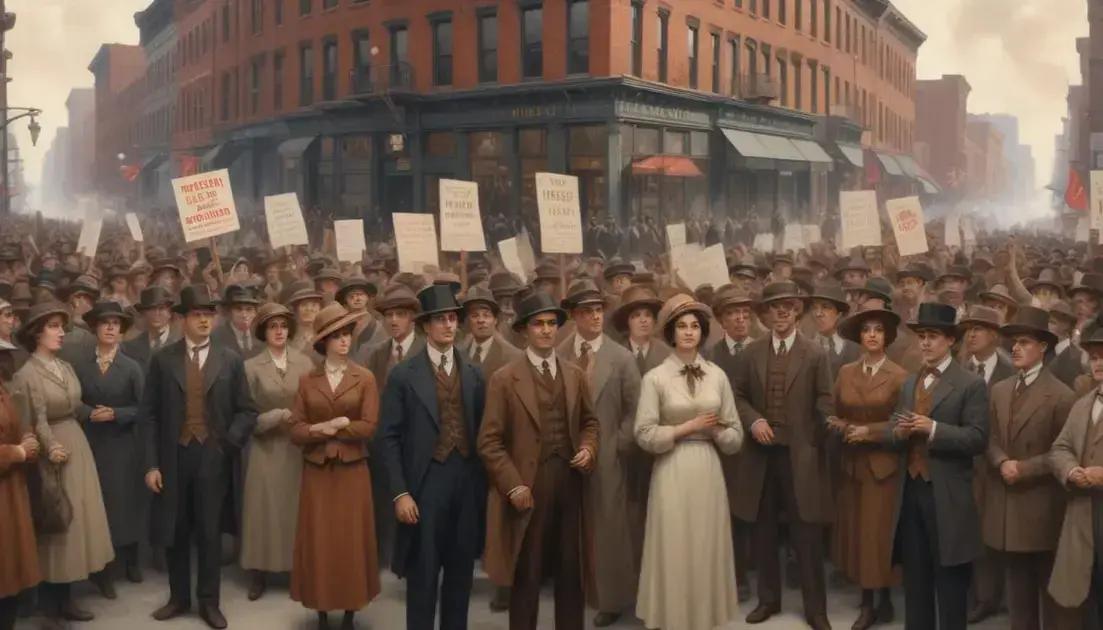
Art can also drive social change. Many artists use their talents to highlight issues like inequality and injustice. By raising awareness through their work, they encourage discussions and inspire action. Think about protest music or powerful films that challenge the status quo.
Connecting People Through Art
Art naturally brings people together. Events like galleries and concerts create spaces for sharing experiences. In these moments, people find common ground, even if their backgrounds differ. This bond can foster community spirit and collaboration.
Emotional Impact of Art
The emotional power of art is undeniable. A moving piece can make us laugh, cry, or think deeply. It allows us to feel and process our emotions in ways that words often can’t. Art becomes a safe space for self-reflection and healing.
In a world filled with challenges, art reminds us of our humanity. It encourages empathy, understanding, and connection. As we navigate through life, let’s celebrate the important role art plays in our lives.
History of Art Repression
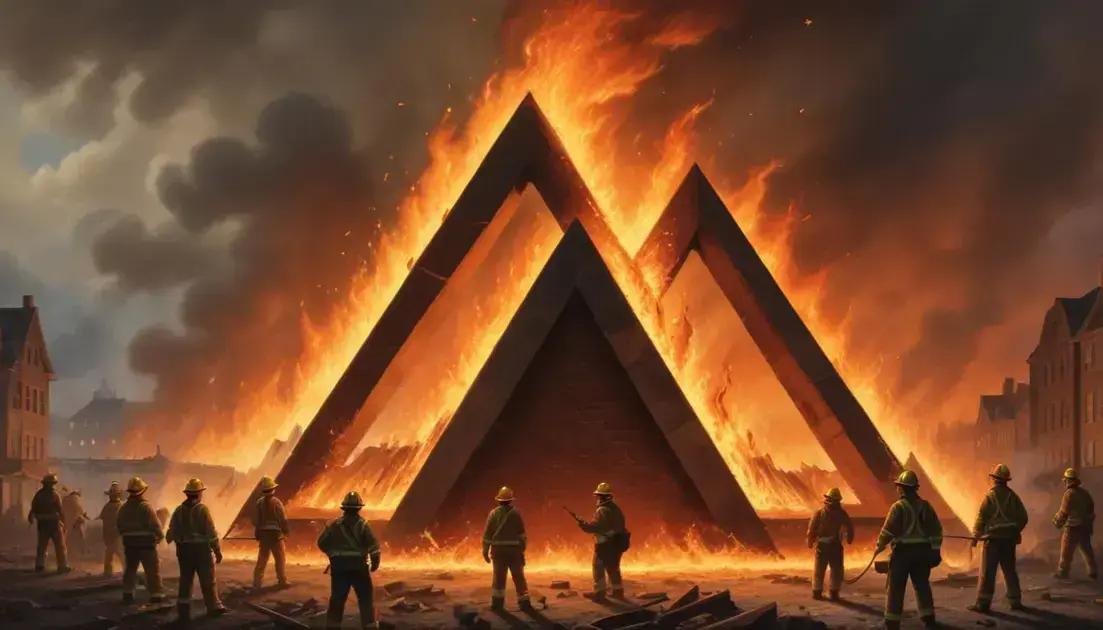
The history of art repression shows how powerful art can be. Many governments have tried to control what artists create. They often fear art that challenges their beliefs or opinions. This fear leads to censorship, where certain works are banned or destroyed.
Examples of Art Repression
Throughout history, many famous artists faced repression. For instance, during the Nazi regime, many artworks were labeled ‘degenerate.’ These pieces were removed from museums and exhibitions, seen as threats to the regime’s ideals.
Motives Behind Repression
Why do governments suppress art? They often want to maintain control. Art can inspire change and provoke critical thought. This can threaten those in power, leading to censorship and punishment of artists.
Resistance Through Art
Artists have always found ways to resist repression. They create underground movements and use hidden messages in their work. By doing so, they keep the spirit of creativity alive, even in tough times.
Modern Implications
Today, art repression still exists in various forms. Many artists worldwide face threats for creating works that speak out against governments. Social media and the internet have helped share these voices. However, challenges remain for artists standing up to oppression.
Understanding the history of art repression helps us appreciate its value. It reminds us to support those who create freely, allowing vibrant voices to shine through even the darkest moments.
Case Studies of Artists
Case studies of artists provide insight into their experiences with repression. Many of these artists faced tough challenges. They used their art to push back against censorship and control.
Example 1: Ai Weiwei
Ai Weiwei, a Chinese artist, is known for his bold statements. He creates work that criticizes the Chinese government. Ai was detained for his activism but continued to use art as a tool for change.
Example 2: Pablo Picasso
Pablo Picasso lived during a time of great political unrest. His painting, “Guernica,” protested the Spanish Civil War. This powerful piece showed the horrors of war and became a symbol against violence.
Example 3: Frida Kahlo
Frida Kahlo was a Mexican painter who faced personal and political struggles. Her work explored identity, pain, and cultural heritage. She used her art to express her feelings about society and her own life.
Example 4: Banksy
Banksy, a famous street artist, uses humor and satire in his work. His pieces often comment on social issues, like war and consumerism. By remaining anonymous, he challenges authority safely while reaching a wide audience.
These artists show how creative expression can resist oppression. Their stories inspire others to use art as a means of protest and awareness.
Strategies for Survival
Artists facing repression often need strong strategies for survival. These strategies help them navigate dangerous environments. Here are some effective methods artists use.
Create Undercover
Many artists work secretly to avoid government scrutiny. They might use pseudonyms or hidden studios. This way, they can create without fear of being caught.
Collaborate with Others
Building a network with other artists can provide support. Collaborating on projects can strengthen voices. Group efforts can amplify messages and reach wider audiences.
Use Symbolism
Artists often use symbolism to convey deeper ideas. This method allows them to share their thoughts without being explicit. For example, a painted flower can symbolize hope even in dark times.
Engage with the Public
Using social media offers a way to connect with people. Artists can share their work without censorship. Platforms like Instagram or Twitter allow for direct communication.
Participate in International Art Shows
Joining art exhibitions outside one’s country can provide exposure. Artists gain recognition and support from global audiences. These events allow for creative expression without fear of retribution.
By adopting these strategies, artists can continue to create and express themselves. Their resilience often leads to powerful works that shine a light on important issues.
The Future of Creative Expression
The future of creative expression looks hopeful despite challenges. Artists worldwide are finding new ways to share their work. Here are some trends shaping the future.
Digital Art and Technology
Digital art is on the rise. Many artists use technology to create and share their pieces. With tools like graphic tablets and editing software, art has become more accessible.
Global Collaboration
Artists are connecting across borders. Online platforms allow collaboration from different parts of the world. This exchange of ideas creates exciting new works that reflect diverse cultures.
Social Media Influence
Social media platforms play a huge role in art today. They give artists a way to showcase their work to a larger audience. Many artists gain followers and opportunities through these channels.
Art as Activism
More artists are using their work to speak out on issues. Art as activism helps raise awareness about social and political topics. This trend encourages others to use their voices as well.
Interactive Experiences
Interactive art installations are growing in popularity. These experiences encourage audience participation, making art feel personal and engaging. Visitors can become part of the artwork, creating lasting memories.
As technology continues to evolve, creative expression will also grow. Artists will keep pushing boundaries and finding innovative ways to tell their stories.
Conclusion
In conclusion, the fight for creative expression remains vital in our world. Artists continue to face challenges, yet they find ways to express themselves boldly. Through digital art, global collaboration, and social media, they share their messages widely.
Art as activism strengthens voices on important issues, sparking conversations and change. Interactive experiences invite audiences to connect with art on a personal level. As we look to the future, the resilience and innovation of artists will keep creative expression alive and thriving.
By supporting artists and their work, we can all contribute to a richer, more inclusive artistic community that reflects diverse voices and experiences.