Voices of Freedom: Radio in the Cold War
The legacy of Cold War radio significantly influenced modern media and communication. It showcased the power of broadcasts to shape public opinion, connect communities, and inspire movements for change. Personal narratives and messages of resilience resonated widely, impacting culture and media technology. Today, the principles established during the Cold War era remain vital, as they underline the importance of diversity in voices and open dialogue in our ongoing communication landscape.
Cold War is a fascinating era that shaped modern media and public perception. Dive into how radio became a tool for influence and change!
The Role of Radio in the Cold War
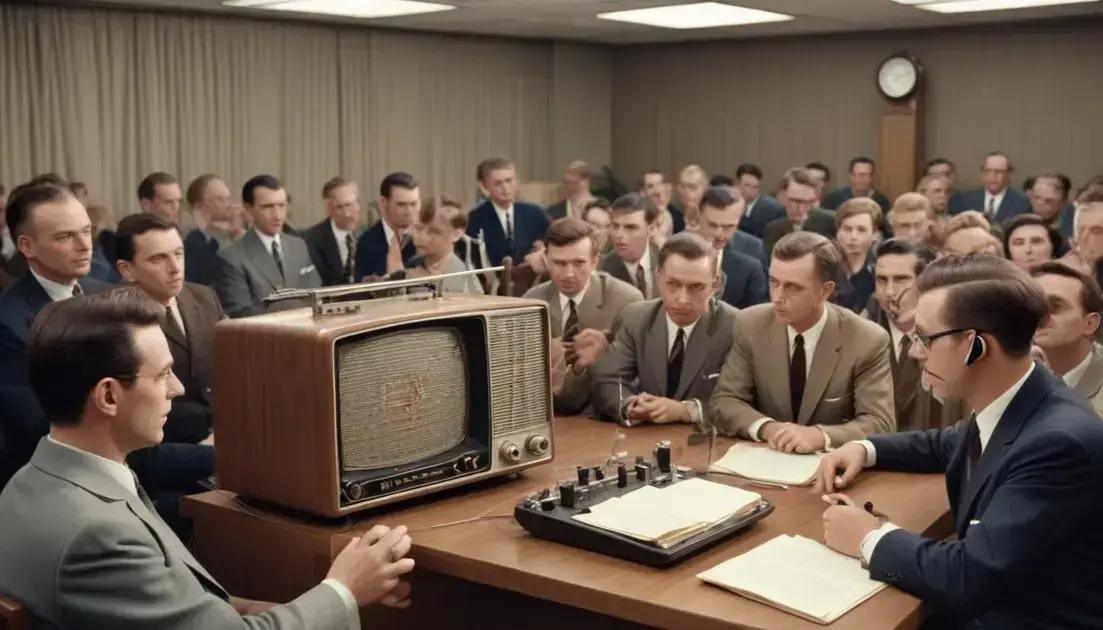
During the Cold War, radio played a crucial role in shaping public perception. It was more than just entertainment; it was a weapon for information warfare. Governments used broadcasts to spread their messages, hoping to influence minds and hearts.
How Radio Became a Tool
News and propaganda found a new home on the airwaves. Stations like Radio Free Europe and Voice of America brought news that was often unseen. They shared reports about freedom and democracy.
Connecting People Across Borders
These broadcasts connected people, sharing hope and resilience while challenging oppressive regimes. The power of radio made people feel less alone, even when separated by iron curtains.
The Impact of Music and Culture
Music also played a vital role. Songs resonated with the struggles and aspirations of the listeners. They often became anthems of resistance, expressing defiance against the status quo.
The Dangers Faced by Broadcasters
Those who worked in radio faced great risks. Many were persecuted for spreading messages of hope and truth. Still, they persisted, showing bravery and dedication.
As we look back, it’s clear that radio transformed the Cold War. It helped shape ideas and inspired movements. This media form redefined how information travels and connected people across vast distances. In many ways, the struggle for freedom on the airwaves continues today.
Cultural Impact of Broadcasts
The cultural impact of broadcasts during the Cold War was huge. Radio stations played popular songs and shared stories that moved people. Listeners connected to music and messages that inspired hope.
Fostering Unity and Resistance
Broadcasts brought together communities. They aired programs that highlighted struggles against oppression. This unity helped people feel they were not alone.
Changing Perspectives
The content broadcasted often challenged traditional views. It introduced new ideas about freedom, democracy, and rights. Listeners began to think critically about their situations.
Influencing Generations
Programs aimed at youth promoted cultural exchange. Young people learned about different lifestyles and values. This learning deepened their understanding, influencing their future choices.
Media and Identity
Broadcasts played a part in forming identity. They provided a voice for many who felt unheard. By sharing stories of courage, radio helped shape a collective identity.
In many ways, these broadcasts laid the groundwork for future movements. They showed the power of media and its role in cultural shifts. Technologies like radio and television will always be linked to significant changes in society.
Influencing Public Opinion
Radio played a key role in influencing public opinion during the Cold War. It was not just about news; it shaped thoughts and feelings. Through broadcasts, people heard different viewpoints that challenged the status quo.
The Power of Messaging
Broadcasters used strong messages to cut through the noise. They aimed to inspire hope and encourage resistance. These messages helped many realize they could stand up for their rights.
Feedback from Listeners
Radio stations also listened to their audience. They adapted content based on what listeners wanted. This interaction built a sense of community among the audience.
Events That Changed Minds
Major world events were covered extensively. From the Berlin Wall to civil rights movements, radio highlighted key issues. These events shaped how people thought about their world.
The Role of Call-In Shows
Call-in shows allowed listeners to share their thoughts openly. People could express their opinions and ask questions. This format encouraged dialogue and made listeners feel included.
The influence of radio on public opinion was profound. It helped create a more informed public. By sharing information, it sparked conversations that led to change.
Stories from the Airwaves
Stories from the airwaves during the Cold War were powerful. Radio programs shared real-life experiences that resonated with people. These stories brought hope and highlighted the struggles of everyday life.
Personal Narratives
Listeners heard from those affected by the war. Personal narratives made distant events feel real. Such stories connected people emotionally and sparked empathy.
Heroic Acts and Sacrifices
Many broadcasts featured heroic acts of resistance. These stories celebrated bravery and courage against oppressive regimes. They inspired others to act and seek change.
Messages of Solidarity
Radio also shared messages of solidarity. Listeners learned about support networks that existed across borders. This encouraged a sense of unity among those fighting for freedom.
Impact on Popular Culture
These radio stories influenced music, literature, and art. They became part of the cultural fabric during the Cold War. Artists often drew inspiration from these narratives, spreading their impact even wider.
In many ways, these stories changed perspectives. They showed the resilience of the human spirit. The airwaves carried important messages that shaped history.
The Legacy of Cold War Radio
The legacy of Cold War radio continues to shape media today. Radio broadcasts became a powerful tool for information and influence. They brought important issues to the forefront and connected people globally.
Influencing Modern Media
Many aspects of today’s media were shaped by Cold War radio. Techniques from that era still appear in news and entertainment formats. Broadcast storytelling remains a key influence in modern journalism.
Inspirations for New Technologies
Cold War radio pushed boundaries for technology and communication. The need for quick updates led to the development of new broadcasting methods. This innovation paved the way for modern media platforms.
International Communication
The era taught valuable lessons about communication across borders. Radio helped create dialogues between people of different cultures. This laid the groundwork for today’s social media and global conversations.
Continued Relevance
Even today, some radio stations carry on that legacy. They strive to provide honest news and diverse perspectives, reminding us of the past.
In essence, the legacy of Cold War radio is still alive. It serves as a reminder of the power of the airwaves and the importance of free speech.
Conclusion
In conclusion, the influence of Cold War radio is still felt today. It taught us how powerful communication can be across borders. The stories shared and the connections made helped shape the world we know now.
Radio not only informed but also inspired many to seek freedom and change. Its legacy lives on, reminding us of the importance of sharing diverse voices. By reflecting on history, we can appreciate how media continues to evolve and impact our lives.
As we move forward, let’s remember the lessons from past broadcasts. They highlight the need for open dialogue and the value of every story shared. Keeping these messages alive can guide us toward a brighter future.
Tags: