TV and Propaganda: The Power of Image in the Cold War
The Cold War era highlights the significant role of visual media in shaping public opinion and ideology. Programs like “Victory at Sea” and “The Big Picture” used powerful storytelling and imagery to evoke emotions and rally support for national policies. Through propaganda and engaging narratives, television and other media influenced how people perceived the conflict and the opposing sides. Understanding these dynamics is crucial, as they demonstrate the lasting impact of media on society and the importance of media literacy today.
Did you know that the Cold War wasn’t just a political battle? It was also a war of images and ideas. Dive into how television became a powerful tool in shaping public perception during this tumultuous time!
Introduction to the Cold War
The Cold War was a time of tension and competition between the United States and the Soviet Union. It lasted for several decades, from the late 1940s to the early 1990s. This era was marked by a struggle for global influence without direct military conflict. Instead, the rivalry played out through propaganda, political maneuvering, and proxy wars.
During this time, both superpowers sought to spread their ideologies. The U.S. promoted capitalism and democracy, while the Soviet Union supported communism. This division affected many countries worldwide, with nations often caught in the middle.
Television emerged as a powerful tool during the Cold War. It brought news and information directly into people’s homes. This medium helped shape public perceptions and narratives about the conflict. Programs often depicted the enemy in stark terms, influencing opinions and emotions.
As both sides aimed to win the hearts and minds of people, images and messages were carefully crafted. Propaganda played a key role in promoting their ideas. This battle for perception was just as important as military strategies. Understanding how these narratives were built can help us see the complexities of global politics during the Cold War.
Television’s Role in Shaping Public Opinion
Television played a huge role in shaping public opinion during the Cold War. It wasn’t just a source of entertainment; it became a way to share news and ideas.
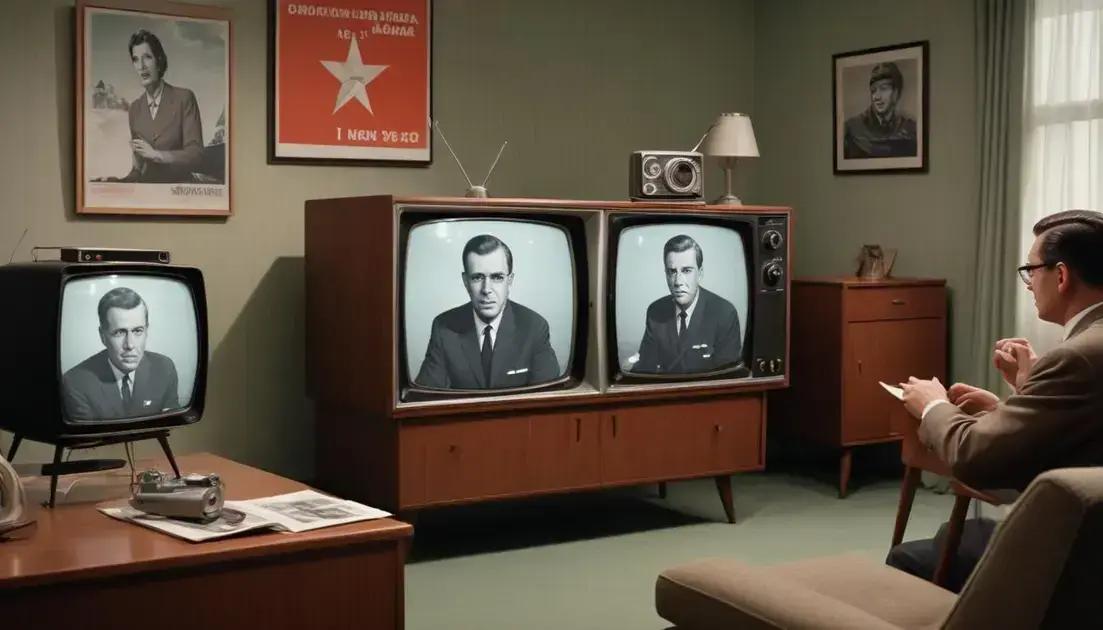
With families gathered around their TVs, images of global events filled their screens. The news told stories about the struggles between the U.S. and the Soviet Union. People saw events unfold in real time, which made the conflict feel personal.
Television shows often included political themes. They reflected the fears and hopes of the public. For example, popular shows might portray heroism in the face of danger or contain messages about loyalty to one’s country. Through these narratives, viewers developed strong feelings about the opposing side.
Advertisers and governments understood this power. They crafted messages to influence viewers. Political ads used striking images and catchy phrases to sway opinions. This strategic use of television as a tool for propaganda was important in the fight for public support.
Overall, television was more than just entertainment during the Cold War. It was a critical player in shaping how people viewed the world. The images and stories shared are still remembered today, showing how powerful media can be in influencing minds.
Case Studies: Iconic Propaganda Shows
Several iconic propaganda shows emerged during the Cold War. They played a key role in shaping public opinion and frame the narrative. These programs often aimed to promote national pride and political ideology.
One famous show was “Victory at Sea.” It aired in the early 1950s and showed America’s naval power during World War II. The show used stunning visuals and compelling music to stir emotions. It highlighted America’s heroism and showcased its military strength.
Another significant program was “The Big Picture.” This series focused on the U.S. Army and its contributions to peace and freedom. It used powerful images and stories to inspire viewers. Clips of soldiers in action helped build support for military efforts and showcased their sacrifices.
Animated films also joined the mix. “Donald Duck in Nutzy Land” spread anti-communist messages in a humorous way. Using beloved characters made the ideas more relatable and engaging for audiences.
These shows were more than just entertainment. They were tools for shaping perceptions and advancing political messages. By engaging viewers emotionally, they aimed to rally support for U.S. policies during the Cold War.
The Impact of Visual Media on Ideology
Visual media had a strong impact on ideology during the Cold War. It helped shape how people viewed their world and the opposing sides. Images and videos told powerful stories that spoken words often couldn’t convey.
Television was one of the main tools. It brought images of events from far away directly into homes. Viewers saw everything from military parades to news reports about international conflicts. This gave them a sense of connection, even if they were thousands of miles away.
Documentaries played a significant role too. They featured real footage, making stories more relatable and impactful. These films showed the realities of war and its effects on everyday people. This kind of content created empathy and influenced public opinion.
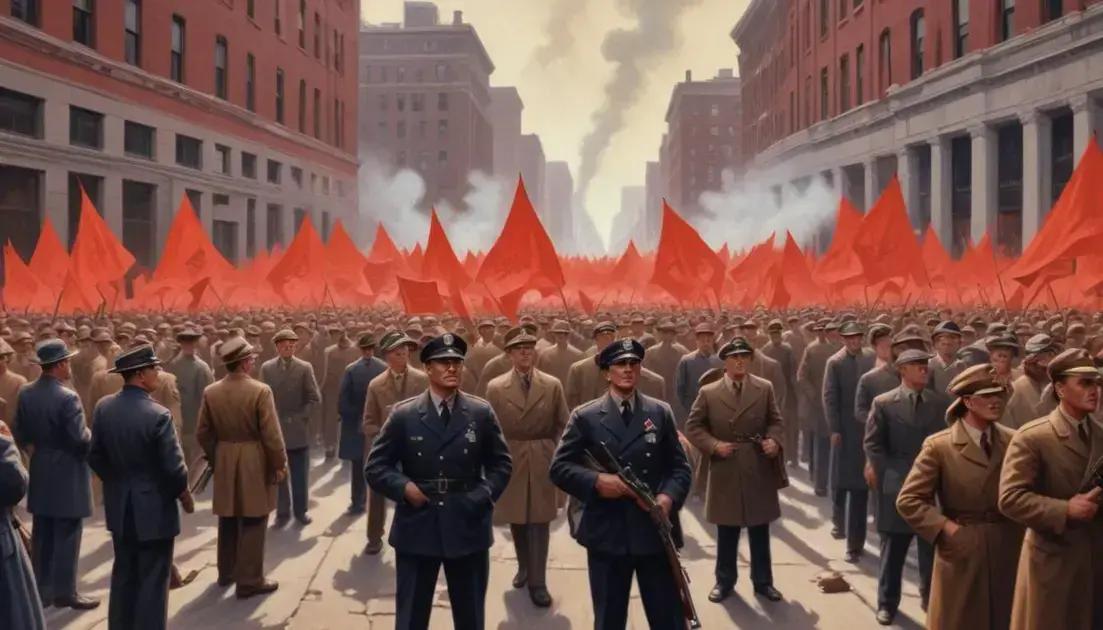
Propaganda posters were also everywhere. They used bright colors and bold slogans to grab attention. These images often glorified the military and portrayed the enemy in a negative light. Over time, these visual messages shaped how society thought about war and peace.
Overall, the impact of visual media on ideology was profound. It helped define beliefs and influenced actions during the Cold War period. Understanding this influence can teach us about the power of images in shaping public thought.
Conclusion: Lessons from the Cold War Era
The Cold War era offers valuable lessons for understanding media and ideology. It shows how powerful images can shape beliefs and influence public thoughts.
One key lesson is that media doesn’t just report news; it shapes perceptions. Television and film were used to craft narratives that supported specific political views. This highlights the importance of media literacy today.
Another lesson is about the emotional impact of storytelling. Engaging stories and striking visuals can sway opinions. They connect people to events far from their daily lives, making political issues feel personal.
Moreover, propaganda’s effectiveness during the Cold War teaches us to be critical of the media we consume. It reminds us to question the messages behind the images and stories that surround us.
Finally, the Cold War shows that ideologies can change over time based on public sentiment. Understanding these shifts can help us navigate today’s complex media landscape and the ongoing influence of media on society.
Conclusion
In conclusion, the Cold War era teaches us important lessons about the power of media. Visual storytelling shaped beliefs and influenced public opinion on a large scale. Understanding how this happened helps us recognize that media is not just a source of information, but also a tool for persuasion.
By examining iconic propaganda shows and the impact of visual media, we can see how emotions drive public perception. It’s crucial to be aware of the messages behind the images we encounter daily. This awareness allows us to think critically about the information we consume.
Ultimately, the lessons from the Cold War remind us that media can shape our world. By learning from history, we can better navigate the complexities of today’s media landscape and recognize the influence it has on our thoughts and actions.
Tags: