Ideological Education: Forming Minds in the Cold War
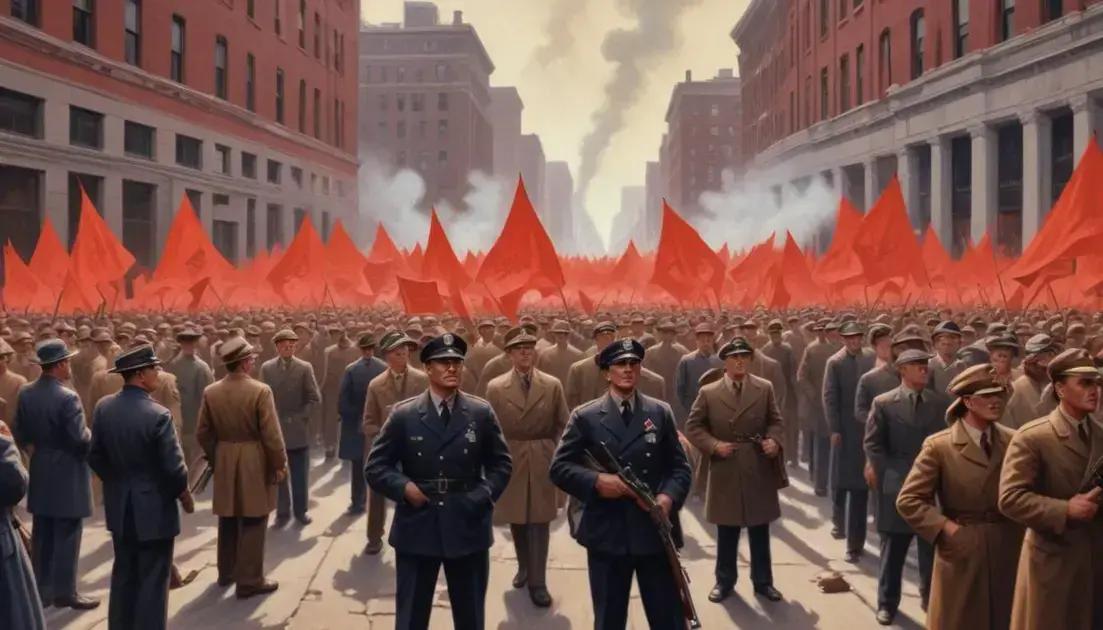
The role of education in shaping political ideologies is crucial, especially during the Cold War. Curricula often reflect government values, promoting loyalty and national pride while shaping students’ perceptions. Comparative studies reveal that different countries adopt varied approaches, some emphasizing a single ideology, while others encourage critical thinking and debate. Understanding these differences helps improve educational practices and empower students to engage thoughtfully in civic life.
Cold War education played a pivotal role in shaping how people viewed the world around them. From the textbooks we read to the curriculums we follow, the ideological influences were everywhere. But how did these narratives impact our loyalties and beliefs?
The impact of literature on political ideologies
The impact of literature on political ideologies is significant. Books have the power to shape thoughts and beliefs. Throughout history, different texts have influenced how people understand their world. For example, during the Cold War, literature often promoted, questioned, or challenged political ideas.
Writers and thinkers shared their views on democracy, freedom, and equality. Their words motivated readers to think critically about authority and governance. Novels and essays often took a stand, either supporting or opposing prevailing ideologies.
Literature’s role isn’t just about propaganda. It also includes inspiring movements and sparking debates. Authors like George Orwell and Ray Bradbury raised questions about censorship and individual rights. Such discussions resonate even today.
Moreover, books in schools play an essential part in this process. Curricula often include works that represent specific viewpoints. This can affect how students perceive political systems and their responsibilities as citizens.
By reading various perspectives, people can form their own opinions. Access to different types of literature encourages open-mindedness and critical thinking. It helps individuals to connect better with societal issues and find their voice.
Curriculum changes during the Cold War
Curriculum changes during the Cold War were significant and often influenced by political views. Schools and universities adjusted what they taught based on the ongoing conflict.
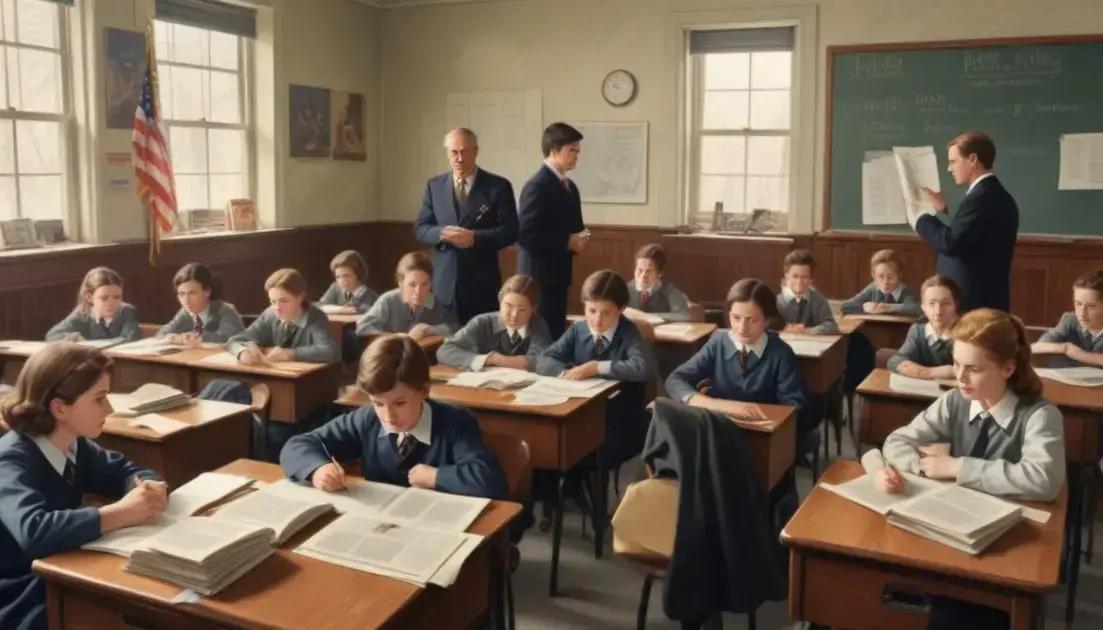
During this time, educators focused on instilling patriotism in students. Subjects like history and social studies often highlighted American values. They emphasized democracy, freedom, and individual rights.
Textbooks were often updated to reflect current events. Teaching materials sometimes included propaganda to support government ideologies. This approach helped shape how young minds understood the world.
Schools also aimed to promote critical thinking. Educators encouraged debates on communism and capitalism. This allowed students to engage with different viewpoints and understand the larger global context.
Moreover, the emphasis on science and technology grew. With the Space Race underway, subjects like physics and mathematics gained popularity. This was important to keep up with technological advancements.
Teachers played a key role in this transition. They worked hard to challenge students to think critically while still aligning with the curriculum’s goals. This balance was crucial to provide a comprehensive education during such a tense period.
The role of education in shaping loyalties
The role of education in shaping loyalties is vital to understanding how societies function. Schools have always been places to learn about values and beliefs. These lessons influence how people view their country and its ideals.
During the Cold War, education aimed to foster loyalty to America. Teachers taught students about democratic values like freedom and justice. These concepts helped build a sense of national pride.
Class discussions often focused on the differences between communism and capitalism. This informed students about opposing ideologies. Encouraging debates also helped students develop their own opinions.
Literature played a big part in this process. Books often showcased themes of patriotism. They highlighted heroism and the importance of civic duty. This encouraged students to connect with their country on a deeper level.
Extracurricular activities also shaped loyalties. Involvement in clubs and events helped students gain a sense of community. These experiences reinforced the idea of supporting one’s nation.
Overall, education not only teaches academic skills but also nurtures emotional bonds to a nation. It shapes values and encourages individuals to take pride in their heritage.
Influence of government on educational content
The influence of government on educational content has been a key factor in shaping what students learn. Governments often set educational standards and guidelines for schools. This ensures that certain values and information are prioritized.
During the Cold War, educational content aimed to support national interests. The government wanted to promote democratic ideals while discouraging opposing views. This led to changes in textbooks and curriculum design.
Textbooks were often reviewed by government agencies. They made sure the material reflected the country’s values. This process helped ensure that students were taught about the importance of democracy and freedom.
Additionally, propaganda in education was common. Some content aimed to portray the government in a positive light. This shaped how students viewed both their country and its leaders.
Moreover, educational policies were influenced by social and political climates. For example, during times of crisis, subjects might shift to address current events. This keeps students aware of their country’s circumstances and challenges.
Ultimately, the government plays a major role in shaping the educational landscape. By controlling what students learn, it influences their futures and worldviews.
Comparative studies of ideological education
Comparative studies of ideological education reveal how different nations approach teaching political beliefs. These studies help us understand the impact of education on societies.
In some countries, education focuses on promoting a single ideology. This approach often involves state-controlled curriculums. Students learn about national pride and values that support the government.
Contrastingly, other nations encourage critical thinking and debate. They present multiple viewpoints, allowing students to explore various ideologies. This helps develop an informed citizenry that can engage in discussions about important issues.
Researchers often look at the effects of these educational methods. They examine how well students understand their country’s history and political landscape. For instance, studies may show the benefits of diverse viewpoints in developing independent thinkers.
Moreover, these studies can also highlight the consequences of ideological education. In some cases, a lack of exposure to different opinions can lead to narrow-mindedness. Understanding these effects is crucial for improving educational practices.
By comparing these educational systems, educators can learn from one another. They can adapt successful strategies that help create well-rounded students.
Conclusion
In conclusion, education plays a crucial role in shaping our understanding of political ideologies. From the way curricula are structured to the content presented in classrooms, the influence of government and societal values is evident. Schools can promote loyalty and national pride through targeted educational practices.
Comparative studies show that different countries take various approaches to ideological education. Some focus on one-sided narratives, while others encourage critical thinking and debate. Understanding these differences can help improve educational systems worldwide.
Ultimately, by fostering a balanced perspective, we prepare students to engage thoughtfully with the world around them. Education not only equips them with knowledge but also empowers them to think independently and contribute to society meaningfully.