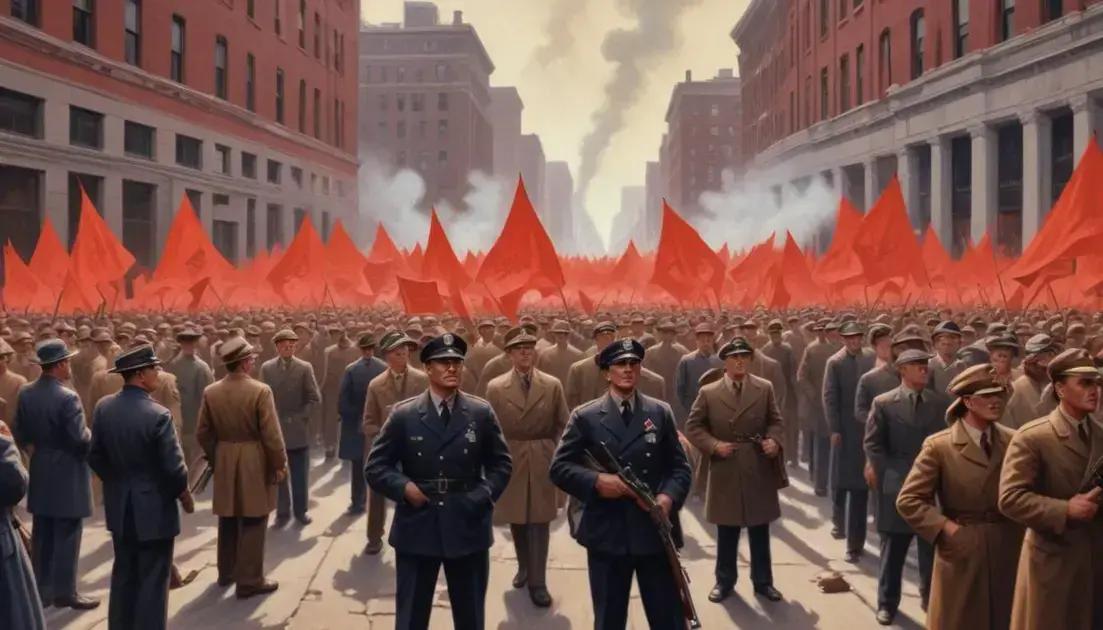
Legendary Spies: Cases That Defined the Cold War
The legacy of Cold War espionage plays a crucial role in shaping modern intelligence practices. Key operations during this time, such as the Berlin Tunnel and U-2 incident, advanced information gathering techniques and highlighted the importance of data in decision-making. Today, intelligence agencies continue to apply lessons learned from this era, using technology and strategies crafted during the Cold War to address contemporary challenges.
Cold War intelligence stories are filled with betrayals and unexpected twists. Are you ready to dive into this intriguing world?
The Spies Behind the Curtain
During the Cold War, many spies operated behind the scenes, gathering valuable information. They lived secret lives, often facing great danger. These spies played pivotal roles in shaping global events.
Famous Cold War Spies
Some of the most notorious spies include Kim Philby and Aldrich Ames. Philby was a British agent turned double agent for the Soviets. His actions caused massive intelligence losses for the West. Ames, an American, sold secrets to Russia, which led to the arrest of several CIA operatives.
Techniques of Espionage
Spies used various methods to gather information. They often relied on disguises and developed skills in deception. Technology, like wiretaps and hidden cameras, also played a role. The use of coded messages kept communications secure.
Impact on Cold War Politics
Espionage directly influenced political decisions. Information obtained by spies shaped military strategies. It also led to a greater understanding of opponents’ capabilities, which prevented potential conflicts.
The legacy of these spies continues today. Their stories remind us of the thin line between loyalty and betrayal during one of history’s most intense periods.
Key Operations and Their Impact
Key operations during the Cold War changed the course of history. Each operation had its goals and risks. These operations often involved spies, covert missions, and complex strategies.
The Berlin Tunnel
One significant operation was the Berlin Tunnel. This project aimed to tap into Soviet communication lines under East Berlin. It helped the West gather important intelligence.
Operation Ajax
Operation Ajax was another crucial mission. The CIA sought to overthrow Iran’s Prime Minister in 1953. This operation shifted the balance of power in the Middle East. It also led to long-term consequences for U.S.-Iran relations.
U-2 Incident
The U-2 incident was especially impactful. An American spy plane was shot down over the Soviet Union in 1960. This event heightened tensions and led to the cancellation of a summit between the U.S. and Soviet leaders.
These operations show how espionage and intelligence work shaped global politics. They highlight the risks taken by governments during this intense period. Understanding these events helps us recognize the significance of intelligence today.
Legacy of Cold War Espionage
The legacy of Cold War espionage continues to influence our world today. The tactics and strategies used then set the stage for modern intelligence operations. Spies shaped international relations and changed the course of history.
Lessons Learned
Intelligence agencies learned important lessons from Cold War operations. One key lesson is the value of information. Accurate data can make a real difference in decision-making.
Impact on Modern Espionage
Today’s espionage techniques have roots in Cold War practices. Advanced technology helps spies gather and analyze information. Cyber espionage has become a big part of intelligence work, using the internet to steal secrets.
Cultural Influence
Cold War espionage also influenced popular culture. Movies and books about spies became very popular. Characters like James Bond and Jason Bourne reflect the excitement and danger of this world.
Understanding the legacy of Cold War espionage is essential. It helps us appreciate the intricate web of international relations and the ongoing fight for information.
Conclusion
In conclusion, the world of Cold War espionage leaves a lasting impact on today’s intelligence practices. The lessons learned, and tactics developed during that time continue to shape how information is gathered and analyzed. From secret operations to the role of technology, these elements still matter.
Modern spies face new challenges but also benefit from past experiences. Understanding this legacy helps us appreciate the complex relationships between nations today. Ultimately, studying Cold War espionage gives us valuable insights into the importance of information and its power in global affairs.
Tags: