Soviet Counterespionage: Methods and Paranoia
Soviet counterespionage during the Cold War showcased how fear and paranoia influenced society. Key figures like Yuri Andropov and Lavrentiy Beria implemented strict surveillance tactics to protect state secrets, which created an environment of distrust among citizens. The strategies they employed, including recruiting spies and using propaganda, reflect the lengths governments went to maintain control. Overall, the Cold War highlights essential lessons about the balance between security and transparency in society.
In the shadowy world of Soviet Counterespionage, fear dictated actions and shaped entire communities. Have you ever wondered how paranoia can redefine reality?
Introduction to Soviet Counterespionage
Soviet counterespionage played a big role during the Cold War. It was all about keeping secrets and stopping spies from getting information. The USSR was very afraid of foreign spies. They believed that others wanted to steal their plans and ideas.
One method they often used was to watch their own people closely. This helped them catch those who seemed suspicious. The atmosphere was tense, and paranoia was common. Most people lived in fear of being watched.
Those involved in counterespionage were trained to be very careful. They used code words and had secret meetings. This helped keep their plans hidden. Many spies were caught because they were not cautious enough.
In this world of secrets, trust was hard to find. Friends could turn into enemies. The fear of betrayal was always present.
Understanding Soviet counterespionage gives us insight into how fear and control can shape a society. It shows us the lengths a government will go to protect itself from perceived threats.
Methods Used by Soviet Intelligence
Soviet intelligence used various methods to gather information. They focused on deception, secrecy, and technology. One key method was recruiting spies. These spies were trained to blend in and gain trust.
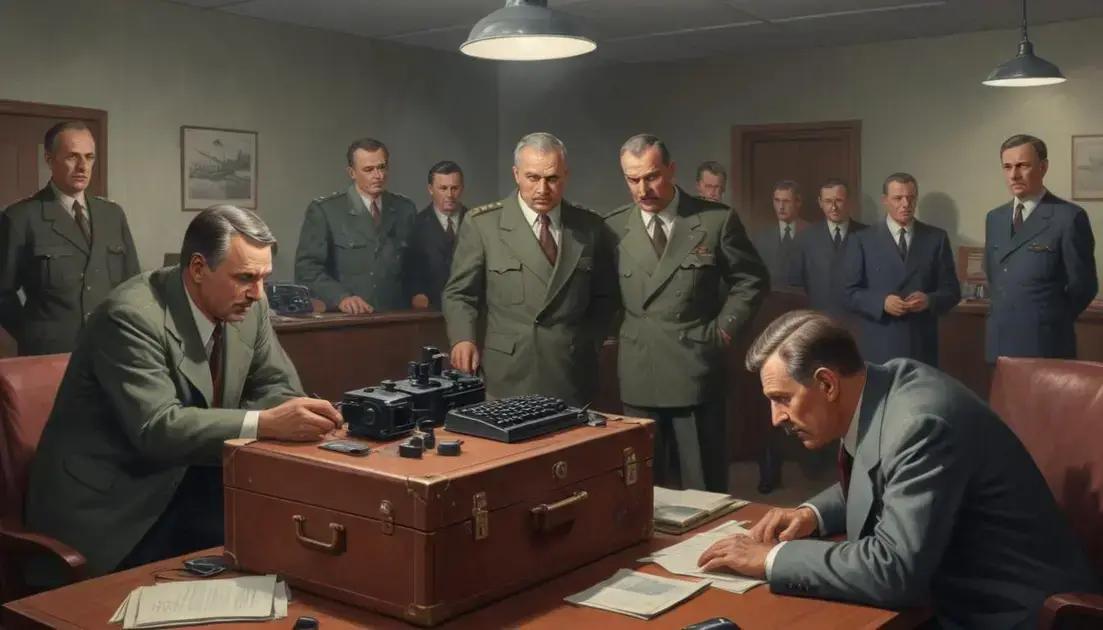
Another common technique was wiretapping. This allowed them to listen to conversations without anyone knowing. They also used hidden cameras to record activities secretly.
In addition, they relied on surveillance. Officers would follow suspects to gather clues. This was time-consuming but often effective.
The use of documents was also prevalent. Intelligence agents often forged documents to mislead opponents. This helped them create a false sense of security.
Throughout history, Soviet intelligence adapted its methods. They responded quickly to new threats and technologies. This flexibility was vital to their operations.
Understanding these methods highlights the intense world of Soviet intelligence. It was all about staying one step ahead of enemies.
The Impact of Paranoia on Society
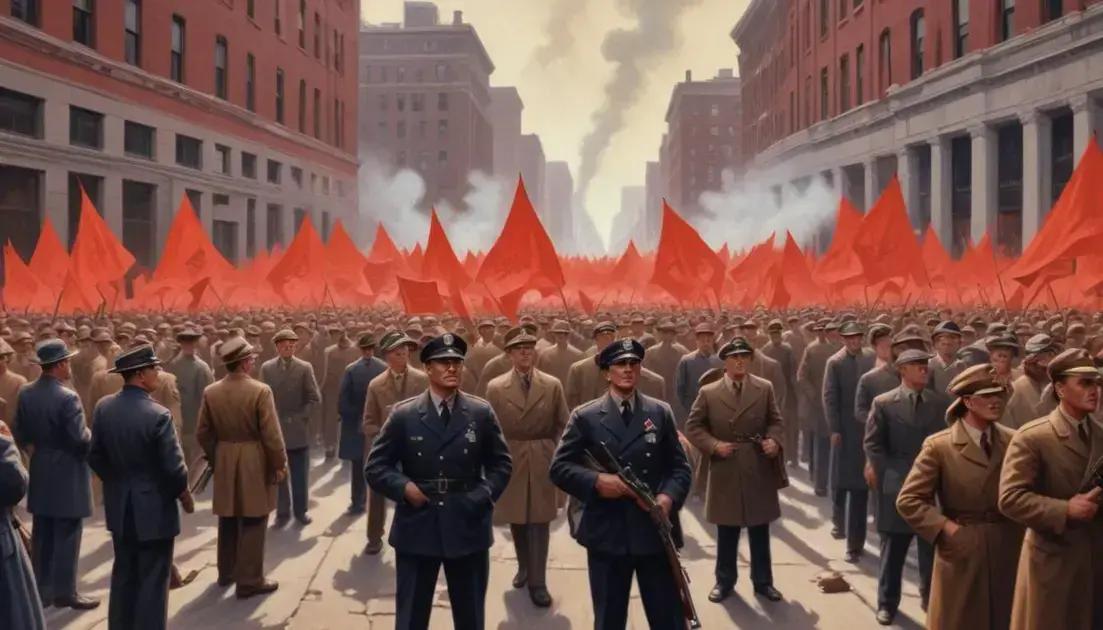
Paranoia had a huge impact on Soviet society during the Cold War. It created an atmosphere of constant fear. People worried about being watched or reported for any small mistake.
Many individuals became suspicious of their neighbors, friends, and even family. Trust broke down as people feared betrayal. This led to a very lonely existence for many.
Daily life changed dramatically due to this fear. Citizens often felt they had to hide their true feelings and opinions. Speaking out could lead to serious consequences.
Schools and workplaces adapted as well. They often encouraged reporting suspicious behavior. This increased the pressure on everyone to conform and stay under the radar.
The government also used this paranoia to its advantage. They controlled information and spread propaganda. This made it even harder for people to see the truth.
Overall, paranoia warped relationships and daily interactions. People felt isolated and unable to express themselves freely.
Key Figures in Soviet Counterespionage
Key figures in Soviet counterespionage played vital roles during the Cold War. Their actions shaped intelligence efforts and national security. Among them was Yuri Andropov, who led the KGB. He was known for his strict policies and focus on internal security.
Another notable figure was Lavrentiy Beria. He was a powerful leader and used brutal tactics to eliminate enemies. His methods included intimidation and surveillance.
Viktor Chebrikov also made his mark. As a head of the KGB, he adapted operations to counter new threats. His leadership was key to improving intelligence techniques.
These figures often worked behind the scenes. They designed strategies to catch spies and protect secrets. Their influence affected many lives, as they created a fearful environment.
Learning about these key players helps us understand the mechanisms of Soviet counterespionage. Their decisions impacted the course of history.
Conclusion: Lessons from the Cold War
Lessons from the Cold War teach us valuable insights about security and trust. During this time, the tension between nations showed how fragile relationships can be. Constant fear of espionage affected many lives.
Governments used propaganda to control information. This highlights the power of communication in shaping public perception. Keeping the truth hidden can lead to mistrust.
Additionally, the importance of oversight and checks in intelligence operations became clear. Without proper regulation, abuses of power can occur. This reminds us to stay vigilant about how power is used.
Finally, understanding human psychology is crucial. Fear can lead to paranoia, which disrupts society. Trust and openness should be encouraged to prevent such negative outcomes.
The Cold War offers lessons we can apply today in our own lives and society.
Conclusion
In conclusion, understanding the impact of Soviet counterespionage during the Cold War gives us important lessons. This period showed us how fear and distrust can shape societies. The actions of key figures in intelligence highlighted the lengths governments will go to protect secrets.
We learned that constant vigilance is vital when it comes to security. However, trust and communication are equally important. Building strong relationships helps to create a safer environment.
The legacy of the Cold War reminds us to be aware of the power of information. Controlling the narrative can lead to significant consequences. Today, as we navigate a complex world, these lessons are more relevant than ever.
Keeping an open dialogue and promoting transparency can guide us toward a better future, free from the shadows of paranoia and fear.
Tags: