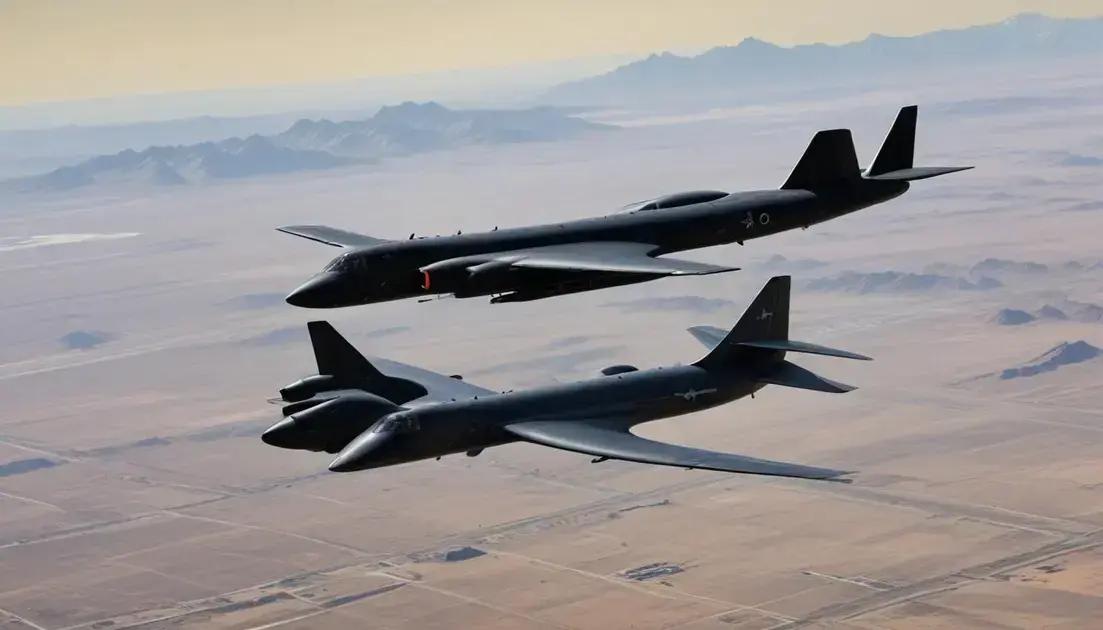
U-2 and SR-71: Eyes in the Sky During the Cold War
The legacy of aerial surveillance from the Cold War, featuring key technologies like the U-2 and SR-71, has greatly influenced modern military and civilian applications. Today, advancements such as drones and satellites allow for real-time intelligence and comprehensive monitoring, enhancing our understanding of global events. The evolution of these technologies underscores their critical role in strategy and decision-making.
Cold War aviation transformed military strategy, offering insight into rival movements and secure communication. Ever wondered how these amazing aircraft shaped history?
Introduction to Cold War Aerial Surveillance
Aerial surveillance during the Cold War was all about staying one step ahead. The U-2 and SR-71 planes were at the forefront of this technology. They flew high above enemy territory to gather important information without being detected.
The U-2, introduced in the 1950s, could soar at altitudes around 70,000 feet. This airplane could capture high-resolution images, providing much-needed intel on troop movements and missile sites.
Then came the SR-71 Blackbird in the 1960s. This plane was even faster, reaching speeds over 2,200 miles per hour! Its speed and height made it nearly impossible for enemies to shoot it down.
With these advances, the United States gained a major advantage in the Cold War. Aerial surveillance helped to monitor potential threats and informed strategic decisions in real-time.
Both planes not only changed military tactics but also influenced global relations. By knowing what was happening behind enemy lines, the U.S. could act confidently in various situations.
The Role of the U-2 Spy Plane
The U-2 spy plane played a vital role in aerial surveillance during the Cold War. This high-altitude aircraft flew over enemy territory to gather secret information. It was designed to fly higher than any other plane at that time.
With its wingspan of 103 feet, the U-2 looked almost like a glider. This design helped it stay aloft for a long time. The U-2 could soar up to 70,000 feet, well above the reach of most enemy missiles.
Equipped with advanced cameras and sensors, it captured clear images of military bases and missile sites. Information from the U-2 helped shape U.S. military strategies and diplomatic decisions.
One notable mission involved collecting intelligence on Soviet missile sites in Cuba. These missions helped the U.S. respond effectively during the Cuban Missile Crisis.
The U-2’s role didn’t just end with the Cold War. It adapted and continued to serve the military in different missions, showing its lasting importance.
The Fast and Stealthy SR-71 Blackbird
The SR-71 Blackbird was one of the fastest planes ever built. Designed for high-altitude reconnaissance, it could fly over 2,200 miles per hour. This made it incredibly challenging for enemies to catch.
The Blackbird soared at altitudes around 85,000 feet. At this height, it was above most threats like missiles and fighter jets. Its sleek design reduced drag and helped it reach amazing speeds.
One of its most impressive features was its ability to gather intelligence. It had advanced cameras and sensors that captured detailed images of ground targets. The data collected was critical for U.S. military operations.
The SR-71 could also evade radar detection. Its unique shape and special materials allowed it to reflect radar waves away. This kept it hidden from enemy defenses.
Despite its retirement in the late 1990s, the SR-71’s legacy continues. It set records that still stand and is celebrated as a marvel of aviation technology.
Technological Advances in Aerial Reconnaissance
During the Cold War, technological advances transformed aerial reconnaissance. These developments allowed for better surveillance and intelligence gathering. Innovations changed how nations viewed their enemies and planned their strategies.
One major advance was improved imaging technology. Planes like the U-2 were equipped with high-resolution cameras. These captured clear and detailed images from thousands of feet in the air.
Another key development was the use of sensors. These devices could detect heat signatures and electronic signals. This meant that aircraft could gather information without relying solely on visual images.
Data processing also saw big changes. Intelligence agencies developed better methods to analyze and interpret the vast amounts of information collected. Software systems helped turn images and signals into actionable intelligence.
Remote sensing became an important tool. Satellites could capture images of large areas. They provided a bird’s-eye view that enhanced the ability to monitor movements and changes across borders.
These advances in aerial reconnaissance laid the groundwork for modern surveillance techniques. Today’s technologies continue to evolve, building on the discoveries made during the Cold War.
Impact on Cold War Strategy and Outcomes
Aerial surveillance during the Cold War greatly influenced strategy and outcomes. The intelligence gathered from planes like the U-2 and SR-71 helped shape military decisions.
For instance, the information from these planes guided U.S. leaders during the Cuban Missile Crisis. They could see missile sites in Cuba through high-resolution images. This allowed for quick and informed responses.
The ability to monitor enemy activities was crucial. It provided insights into troop movements and military deployments. This knowledge allowed the U.S. to prepare and react to threats effectively.
Furthermore, this intelligence created a sense of security. Knowing that the U.S. could gather information without being detected helped deter potential attacks. Enemies were aware that they were always being watched.
The technology also led to changes in foreign policy. It encouraged diplomatic efforts by providing evidence of threats. Leaders could negotiate from a position of strength, knowing they had reliable intel.
In short, aerial surveillance wasn’t just about gathering information. It actively shaped political and military strategies, impacting the course of the Cold War.
Legacy and Evolution of Aerial Surveillance
The legacy of aerial surveillance stretches far beyond the Cold War. The technologies developed during this time laid the foundation for modern surveillance methods. Drones today carry new forms of high-tech cameras and sensors inherited from earlier planes.
Aerial surveillance has continuously evolved. Early planes like the U-2 and SR-71 showed how critical information gathering could be. They inspired advancements in satellite technology for even broader coverage.
Today, satellites orbit the Earth, gathering data from vast distances. With high-resolution images and real-time data, they keep us informed about global events. These systems can even monitor natural disasters and climate changes.
Drones have also revolutionized how we conduct surveillance. They can fly lower and into places that were once dangerous for manned missions. This flexibility allows for greater detail and immediate response to situations on the ground.
The impact of these advancements can be seen in various fields. Military operations, disaster response, and urban planning all benefit from aerial surveillance. The ability to gather and analyze data quickly is now essential to many areas of life.
Conclusion
In conclusion, the advancements in aerial surveillance during the Cold War have left a lasting impact on various fields. Technologies like the U-2 and SR-71 not only changed military strategies but also paved the way for today’s modern surveillance.
Now, we rely on satellites and drones that provide detailed images and data in real-time. These tools help monitor everything from military activities to natural disasters. The evolution of aerial surveillance showcases how innovation can reshape our world.
Overall, understanding this legacy is essential. It highlights the importance of gathering information to make informed decisions. As technology continues to advance, the future of surveillance will likely bring even more exciting developments that enhance security and awareness.