Internal Enemy: Cold War Paranoia
The Cold War era taught us critical lessons about communication, fear, community strength, and the impact of propaganda. Key figures like Joseph McCarthy and J. Edgar Hoover intensified societal fear, affecting trust and relationships among citizens. It’s essential to learn from this history to ensure better diplomacy and cooperation today, while maintaining a balance between security and personal freedoms in the face of global challenges.
Explore the unsettling world of Cold War paranoia, where fears of betrayal fueled surveillance and suspicion. What does this mean for us today?
The Context of Cold War Paranoia
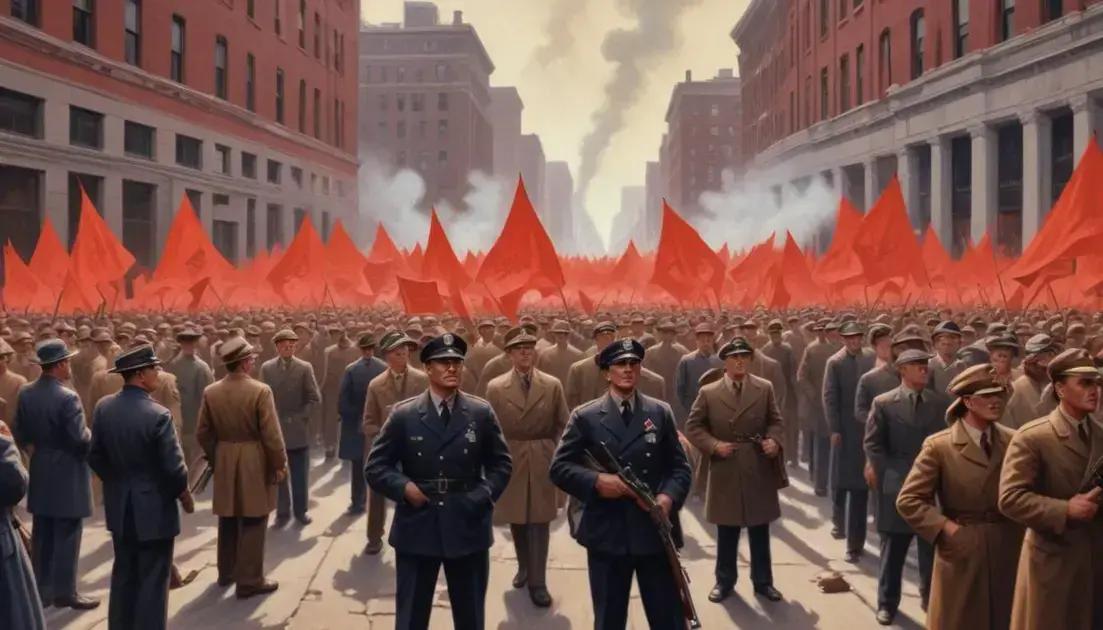
During the Cold War, paranoia ran high. The fear of spies and traitors was everywhere. Governments kept a close watch on their citizens. Cold War strategies often focused on identifying potential threats. This climate of distrust changed how people lived their daily lives.
Many believed their neighbors could be informants. The media played a big part in spreading fear. Stories of espionage and betrayal filled newspapers and broadcasts. Everyone was on edge, wondering who they could trust.
Political leaders justified strict measures. They claimed it was necessary to protect the nation. This led to increased surveillance. Citizens were monitored more than ever before.
In this tense environment, privacy took a backseat. People worried about what they said and who could be listening. Friends and families sometimes turned against each other. This paranoia affected many aspects of life, including work and relationships.
These feelings weren’t just limited to the government level. Communities felt the pressure too. Neighbors watched each other closely, often making accusations based on rumors.
This context of Cold War paranoia shaped society. It created a lasting impact that still resonates today. Understanding this fear is crucial for recognizing how it influenced history and individual lives.
Impact on Political Surveillance
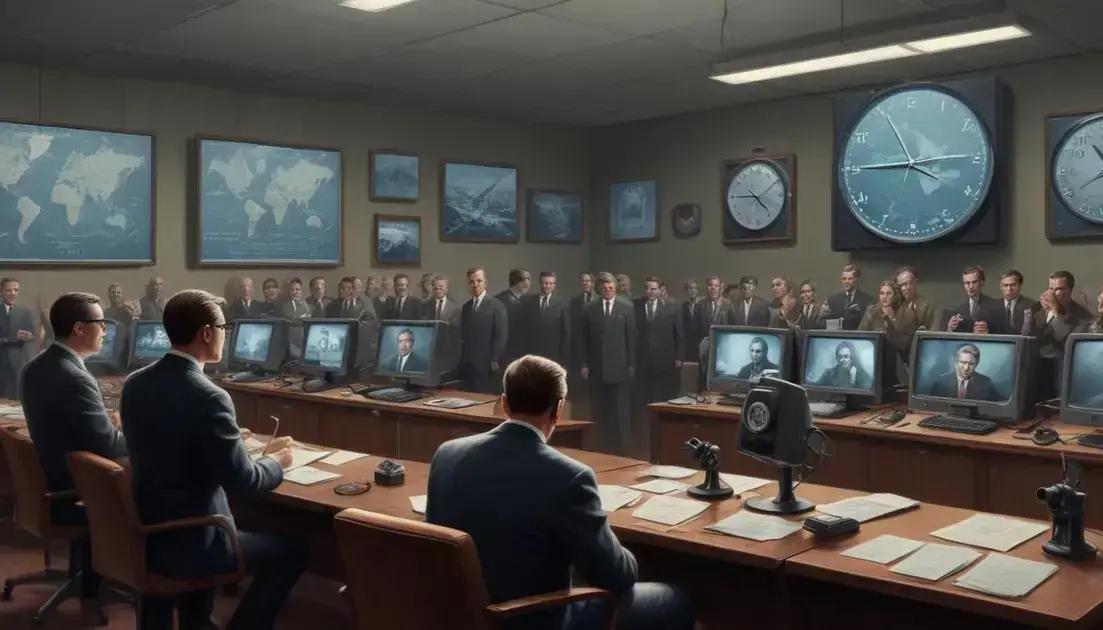
The impact of political surveillance during the Cold War was significant. Governments used various methods to monitor their citizens. This included wiretapping phones and opening mail. They justified these actions as a way to catch potential spies or traitors.
Many citizens felt their private lives were under scrutiny. This constant watch had a chilling effect on freedom of speech. People were afraid to express their opinions. They worried that someone might report them.
Government agencies like the FBI played key roles in surveillance. They often targeted groups they viewed as a threat. Activists, dissenters, and even ordinary citizens faced strict monitoring.
Documents from that time show how widespread the surveillance was. Secret files were kept on thousands of people. This practice raised serious questions about privacy and civil rights.
Political surveillance also created an atmosphere of fear. It divided communities and friendships. Trust was hard to find, as anyone could be a potential informant.
The legacy of this surveillance is still felt today. Ongoing debates about privacy concern many citizens. Learning from the past helps us understand the balance between security and personal freedom.
Consequences of Fear on Society
The fear during the Cold War had wide-ranging effects on society. People felt anxious and uncertain about their safety. This fear influenced everyday life in many ways.
Friends became suspicious of each other due to distrust. Neighbors often monitored one another, worrying about who might be a spy. This atmosphere damaged community bonds.
Families felt the pressure too. Many were careful about discussing politics at home. Parents worried that their children could be influenced by radical ideas. This led to self-censorship, where people held back their thoughts and opinions.
Moreover, fear was often exploited for political gain. Leaders used the threat of communism to push agendas. This raised tension and justified harsh actions against perceived enemies.
Education also changed. Schools often taught children to be wary of dissent and encouraged loyalty to the government. Critical thinking took a backseat to conformity.
Media played a role in spreading fear. News reports highlighted potential threats. This constant barrage kept the public on edge, leading to a cycle of fear and suspicion.
Understanding these consequences helps us see the impact of fear on society. We can learn valuable lessons about trust and community from this difficult period.
Key Figures Behind the Fear
Many key figures shaped the fear during the Cold War. These individuals influenced policies and public opinions. Understanding their roles helps us see how fear took hold of society.
One central figure was Senator Joseph McCarthy. He led efforts to root out supposed communists in the government. His aggressive tactics created a climate of fear and suspicion.
Another influential person was J. Edgar Hoover, the director of the FBI. He played a major role in expanding government surveillance. Hoover pushed for programs that monitored and tracked many citizens.
Additionally, leaders like President Harry Truman and President Dwight Eisenhower used fear as a tool for political gain. They framed global events as battles between democracy and communism, rallying public support for their policies.
Media figures also played a part. Journalists and news outlets published sensational stories about threats. This constant coverage heightened anxiety and distrust among the public.
These key figures aimed to protect the nation but often at the cost of individual rights. They sparked fear that affected communities and families for years to come.
Lessons from the Cold War
The Cold War taught us many important lessons that are still relevant today. Understanding these lessons can help us navigate our current world.
First, the importance of communication stands out. Misunderstandings can lead to conflict. Diplomatic conversations are crucial in resolving issues peacefully.
Second, fear often shapes decisions. Governments may take extreme actions when fear drives their policies. It’s important to balance security and individual freedoms.
Another lesson is the power of community. During the Cold War, people often relied on each other for support. Strong communities can work together to fight fear and mistrust.
Moreover, history shows us the dangers of propaganda. Misinformation can easily manipulate public opinion. Staying informed and verifying facts is vital in today’s media landscape.
Lastly, we see that cooperation is key. Nations must work together to solve global challenges. Economic, political, and environmental issues require collective efforts to find solutions.
Conclusion
In conclusion, the lessons from the Cold War are valuable today. We’ve learned that communication is key to preventing misunderstandings. Fear can cloud judgment, so it’s important to keep a balance between security and personal freedom.
Strong communities bring people together, helping to overcome distrust. We must also be cautious of propaganda and always verify information. Cooperation between nations is essential in solving global issues, as many challenges require teamwork.
By reflecting on these lessons, we can navigate our current world more wisely. Understanding these principles helps us create a better future, one built on trust, communication, and collaboration.