Freedom and Censorship in a Divided World
Censorship remains a pressing issue globally, affecting freedom of expression and creativity. Historical perspectives reveal how censorship has evolved, impacting writers, artists, and activists who resist oppression through their work. Contemporary examples highlight the role of technology and social media in both enabling and combating censorship, while voices of resistance continue to push for change. Understanding these dynamics is crucial for safeguarding rights and promoting diversity in expression.
Freedom of expression is a crucial element of democracy. Yet, many writers and artists are pushing back against oppressive regimes to uphold this fundamental right. What are the current challenges they face?
Understanding Censorship
Censorship is a way for the government or other groups to control what people can say or see. It can happen in many forms, from blocking websites to banning books. In many countries, censorship aims to limit freedom of speech and expression.
Types of Censorship
There are several types of censorship. Political censorship restricts speech that critics the government. Moral censorship limits content deemed inappropriate, especially for children. Artistic censorship involves controlling creative works like films and music.
Why Does Censorship Happen?
Censorship often happens because governments want to maintain control. They believe censoring certain information keeps society stable. However, this can suppress important conversations. This can prevent citizens from accessing diverse viewpoints.
The Impact of Censorship
Censorship can harm society by restricting freedom and promoting a culture of fear. When people fear expressing themselves, creativity suffers. Artists and writers might hold back their ideas, leading to a dull and uninspired society.
On the flip side, some argue that censorship protects citizens from harmful or dangerous ideas. However, many believe the risks outweigh the benefits. A society needs open discussions to learn and grow.
Understanding censorship is key to recognizing its effects on our lives. It reminds us to protect freedom of expression in all forms, ensuring that everyone’s voice can be heard.
Historical Perspectives
Looking at the historical perspectives of censorship gives us insights into how it’s changed over time. In ancient times, rulers often controlled what people could read or speak. They believed that controlling information helped maintain their power.
Ancient Censorship
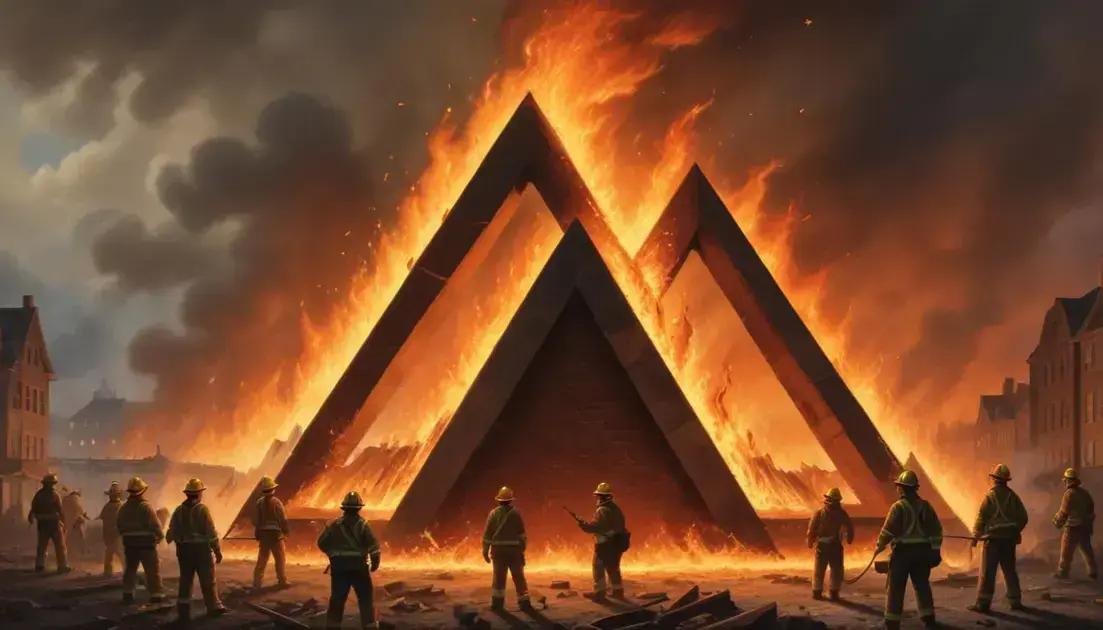
One of the earliest forms of censorship appeared in ancient China. The emperor tried to limit harmful ideas by burning books and punishing writers. This control affected what society believed and how history was written.
Middle Ages to Enlightenment
During the Middle Ages, censorship continued in Europe. The church played a large role in controlling what people could read. As people began to think more freely during the Enlightenment, censorship faced challenges. Philosophers argued for freedom of speech and new ideas.
Modern Times
In the modern era, censorship took on new forms. Governments in various countries, especially during wartime, restricted media. They believed controlling news helped shape public opinion. However, many stood up against these restrictions, believing everyone deserved to hear the truth.
Contemporary Issues
Today, censorship still exists, but it often takes different shapes. The rise of the Internet has made it easier for people to share ideas globally. Yet, many countries try to censor online content. This raises important questions about what we can read and see.
By studying these historical perspectives, we understand why censorship is a critical issue. It shows how freedom of expression has evolved and highlights the ongoing need to protect it.
Contemporary Examples
Today, we can see many contemporary examples of censorship around the world. Governments and organizations sometimes restrict information to control public opinion. This affects people’s rights to express their thoughts freely.
Social Media Censorship
One major area of censorship is social media. Platforms like Facebook and Twitter often remove content they find offensive. While they aim to prevent hate speech, this can silence important conversations.
News Media Restrictions
In some countries, governments control news agencies. Reporters may face consequences for stories that challenge authority. For example, in certain regions, journalists are jailed for revealing uncomfortable truths.
Books and Literature
Books are frequently censored for various reasons. Some schools and libraries remove titles that discuss sensitive topics. These include race, sexuality, or politics. When this happens, young readers miss out on diverse views.
Censorship in China
China is known for strict censorship laws. The government heavily monitors the Internet, blocking websites like Google and Facebook. People there often use VPNs to access blocked content, risking legal trouble.
Art and Expression
Artists often face censorship too. Paintings, music, and films can be banned if they are seen as politically sensitive. This limits creativity and reduces the variety of artistic expression in society.
These contemporary examples show us why we need to fight for free expression. They remind us that censorship is an ongoing battle that affects everyone.
The Role of Technology
Technology plays a big role in censorship today. It changes how we share information and express ideas. While it can help spread messages, it can also be used to control them.
The Internet and Freedom of Speech
The Internet gives everyone a voice. People can share their opinions quickly and easily. However, this freedom can lead to censorship. Some governments monitor online activity and block websites.
Social Media Platforms
Social media platforms are crucial for sharing content. People post articles, videos, and art. But these platforms also have rules. They sometimes remove posts or accounts that violate community standards.
Algorithms and Content Control
Algorithms decide what we see online. They can promote certain ideas while hiding others. This can lead to a narrow view of what’s happening in the world. When this happens, users may not receive balanced information.
VPNs and Privacy Tools
Virtual Private Networks (VPNs) are popular for bypassing censorship. They let people access restricted content while keeping their identity hidden. Many use VPNs to reach blocked websites, especially where censorship is strong.
The Future of Technology and Censorship
As technology evolves, so does censorship. New tools will emerge that challenge censorship practices. This will help protect freedom of expression and ensure diverse voices are heard.
The role of technology in censorship is complex. By remaining aware of these issues, we can work towards a future where everyone enjoys their right to speak freely.
Voices of Resistance
Throughout history, many have stood up against censorship. These voices of resistance have fought for freedom of expression. They use various methods to challenge oppressive regimes and promote their rights.
Literary Figures
Writers like George Orwell and Margaret Atwood have addressed censorship in their works. Their stories highlight the dangers of controlling information. These authors inspire readers to think critically about their world.
Artists and Musicians
Artists often use their craft to protest censorship. Musicians like Nina Simone and Bob Dylan wrote songs that challenged social norms. Their music encouraged people to speak up and fight for change.
Activists
Many activists work tirelessly to protect free speech. Organizations like Amnesty International push for the rights of those silenced by authorities. They monitor censorship worldwide and bring attention to those affected.
Online Movements
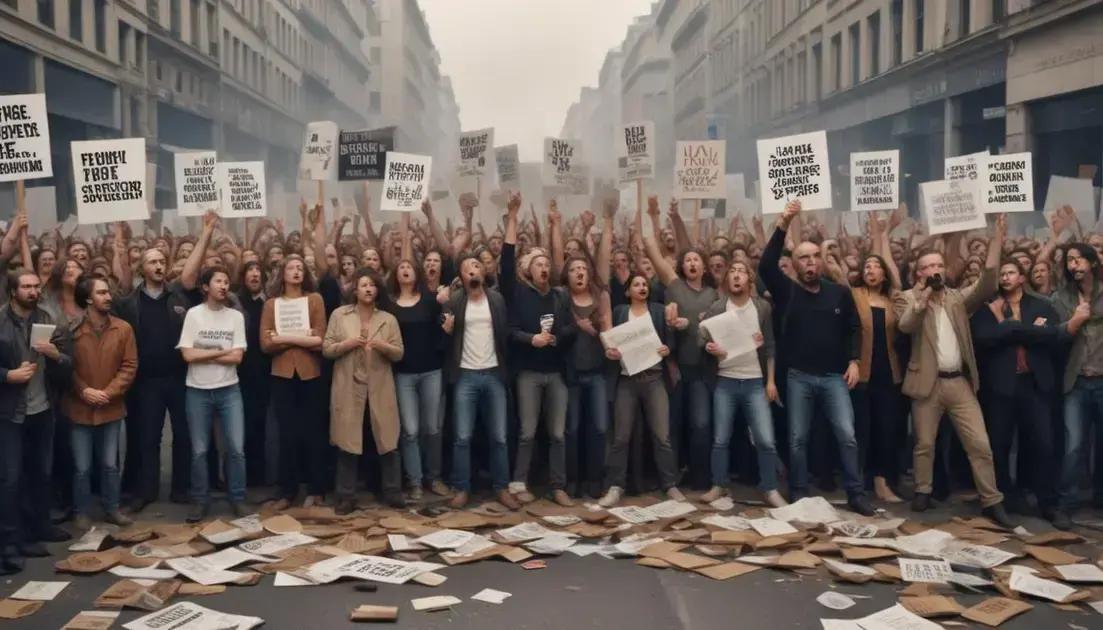
In recent years, online movements have gained traction. Hashtags like #FreeSpeech and #CensorshipResistance unite people. These digital campaigns raise awareness about censorship issues and mobilize support across the globe.
National and International Responses
Some governments and organizations have started to respond to censorship. They recognize the importance of protecting voices of resistance. Initiatives aim to create safe spaces for free expression and promote open dialogue.
These voices of resistance show us that fighting against censorship is crucial. They remind us that everyone deserves the right to express their thoughts and ideas freely.
Conclusion
In conclusion, protecting freedom of expression is vital in today’s world. Censorship limits creativity and silences important voices. By understanding the history and contemporary issues surrounding censorship, we can better appreciate the efforts of those who resist it.
Writers, artists, and activists all play a crucial role in this fight. They remind us that we must speak out against oppression and support one another. As we move forward, we should strive to create a society where every voice is heard and valued.
Ultimately, standing against censorship helps build a world where ideas can flow freely. This is essential for progress, innovation, and a healthy democracy. Let’s continue to champion the cause of free expression for everyone.