Berlin and Divided Germany: Cold War Frontier
The legacy of the Cold War continues to shape modern Germany, influencing its economy, culture, and social dynamics. The division of East and West Germany created distinct lifestyles, impacting the nation’s reunification in 1990. While progress has been made, challenges such as economic disparity persist, particularly between the former East and West. Today, Germany values its unity and freedom, with commemorative efforts ensuring that the lessons of the Cold War remain relevant for future generations.
In the heart of Europe, Cold War tensions turned Berlin into a divided city, a symbol of ideological and political rift. Explore how history shaped its narrative.
Historical Background of Berlin
Berlin has a rich history that reflects the larger story of Germany itself. It was once a small town, but it grew rapidly in the 19th century. By the late 1800s, Berlin became the capital of the German Empire. The city was known for its culture, innovation, and progress. World War I had a big impact on Berlin. After the war, Germany faced huge problems. This led to the rise of the Weimar Republic, a time of both creativity and struggle.
In the early 1930s, the Nazi Party took control of Germany. Their policies changed Berlin dramatically. The city became a center for propaganda and military power. During World War II, Berlin was heavily bombed. After the war, the city was divided into East and West Berlin, which marked the beginning of the Cold War.
Berlin’s history is not just about politics; it also shows the struggles of its people. Many faced hardships, but they also fought for freedom and unity. The city’s walls and barriers symbolize resistance against oppression. Today, Berlin stands as a symbol of hope and a reminder of its past.
The Division of Germany
The division of Germany began after World War II. The country was split into two parts: East Germany and West Germany. This split created a border that separated families and friends. Each side developed its own government and culture. East Germany became a socialist state, while West Germany leaned more towards democracy.
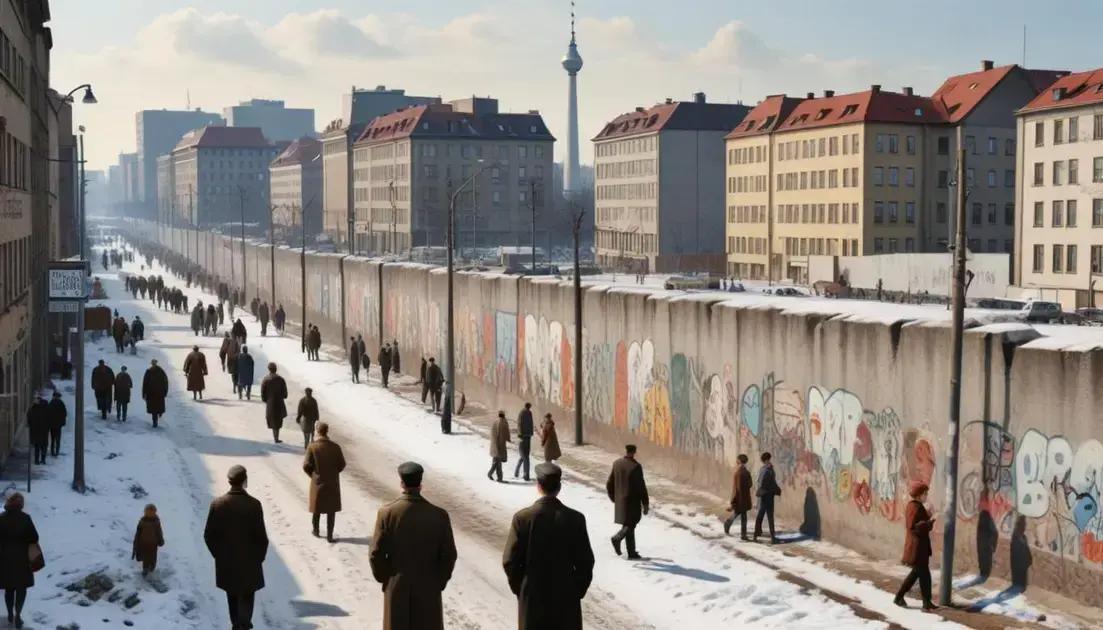
The Berlin Wall, built in 1961, symbolized this divide. It was a physical barrier that kept East Germans from escaping to the West. Life in East Germany was different. Many people faced lack of freedom and government control over daily life.
Meanwhile, West Germany thrived. It had a strong economy and was part of NATO. Over time, the differences between the two sides became clear. While West Germany embraced open markets, East Germany struggled with economic issues.
In 1989, the Berlin Wall fell. This marked a significant moment in history. People celebrated their newfound freedom. The division ended, and Germany was reunited in 1990. This event not only reshaped Germany but also changed the entire European landscape.
Life in East and West Berlin
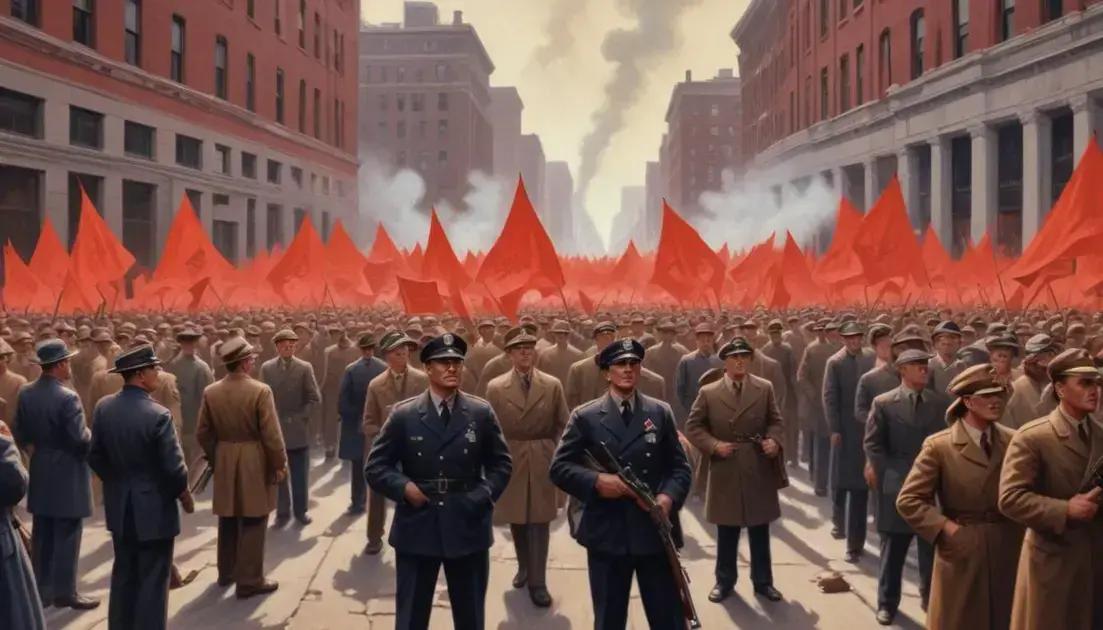
Life in East and West Berlin was very different during the Cold War. In East Berlin, the government controlled many aspects of life. People faced restrictions on their freedom. There were limits on travel, and jobs were often assigned by the state. Many couldn’t express their opinions freely. However, East Berlin was known for its strong community spirit. People looked out for one another, sharing what they had.
Meanwhile, West Berlin enjoyed greater freedoms. People were free to travel, express their views, and engage in commerce. The economy was stronger, with plenty of shops and restaurants. West Berlin also became a cultural hub, attracting artists and musicians. The contrast was stark—luxurious lifestyle choices in the West vs. basic living conditions in the East.
Despite these differences, everyday life had its similarities. Both sides had their schools, health care, and public services. People went to work, made friends, and celebrated holidays. Yet, the shadow of the Berlin Wall hung heavy over both lives, reminding everyone of the division.
In time, the constant tension between the two sides created a strong desire for change. People on both sides hoped for a united Berlin. The eventual fall of the Berlin Wall in 1989 finally allowed for reunification, changing life for everyone.
The Fall of the Berlin Wall
The fall of the Berlin Wall in 1989 marked a turning point in history. It was a powerful symbol of division between East and West Berlin. For nearly three decades, the Wall separated families and friends. Many East Germans dreamed of freedom and a better life. They longed to cross the border to the West.
In the late 1980s, changes were brewing. Protests grew in East Germany, with people demanding more rights. On November 9, 1989, the pressure became too much. A government spokesperson mistakenly announced that citizens could travel freely. This news spread quickly. Crowds gathered at the Wall, ready to cross.
As the guards watched in disbelief, people started climbing over the Wall. They celebrated with joy and tears. The mood was electric, filled with hope. This moment was a clear sign that the people wanted unity.
After the fall, East and West Berliners began to connect again. They shared stories and rebuilt their lives together. The Wall came down brick by brick, both literally and figuratively. The reunification of Germany officially took place less than a year later, on October 3, 1990. This day is now celebrated every year.
Legacy of the Cold War in Modern Germany
The legacy of the Cold War still impacts modern Germany in many ways. After reunification, the country faced challenges in merging different lifestyles and economies. East Germany had a socialist system, while West Germany operated under capitalism.
Today, you can see the past in the architecture and culture. Many buildings in East Berlin reflect Soviet influence. These structures tell stories of the time when the Wall divided the city. The impacts on education, employment, and politics remain a topic of discussion.
Economically, East Germany has made strides, but challenges still exist. Many people in the East feel a gap in wealth compared to the West. This gap sometimes leads to feelings of inequality. However, both regions are working together to improve as a united country.
The memories of the Cold War also affect how Germans view their identity. Many value their freedom and unity. They remember the struggles of the past. This history teaches lessons about resilience and hope.
Commemorations and educational programs keep the history alive. Museums and memorials around the country honor those who contributed to ending the division. Overall, the Cold War’s legacy shapes Germany’s path forward.
Conclusion
In conclusion, the impact of the Cold War on modern Germany is significant. The division of the country shaped its people, economy, and culture in lasting ways. Today, Germans value their unity and freedom, celebrating progress while remembering their history.
The blend of East and West has created a rich and diverse society. Challenges remain, especially in addressing economic gaps, but the spirit of resilience shines through. As Germany continues to grow, the lessons from the past will guide its future.
Commemorating the events of the Cold War helps keep the memories alive. Museums and educational programs ensure that younger generations understand this important chapter in their history. Overall, recognizing and learning from the Cold War is essential to understanding what it means to be German today.