End of the Soviet Bloc: Fall and Transition
The fall of the Soviet Bloc transformed Eastern Europe by ending decades of communist rule, leading to the rise of democracy and new political systems. Countries like Poland and Hungary adopted economic reforms, seeking integration with the West through organizations such as the European Union. This shift provided citizens with newfound freedoms, but not without challenges, as old tensions and economic difficulties emerged. The geopolitical landscape evolved significantly during this period, highlighting the resilience of nations as they forged their paths towards prosperity and stability.
The Soviet Bloc collapsed, reshaping not only political boundaries but also global dynamics. What led to this monumental change?
Introduction to the Soviet Bloc
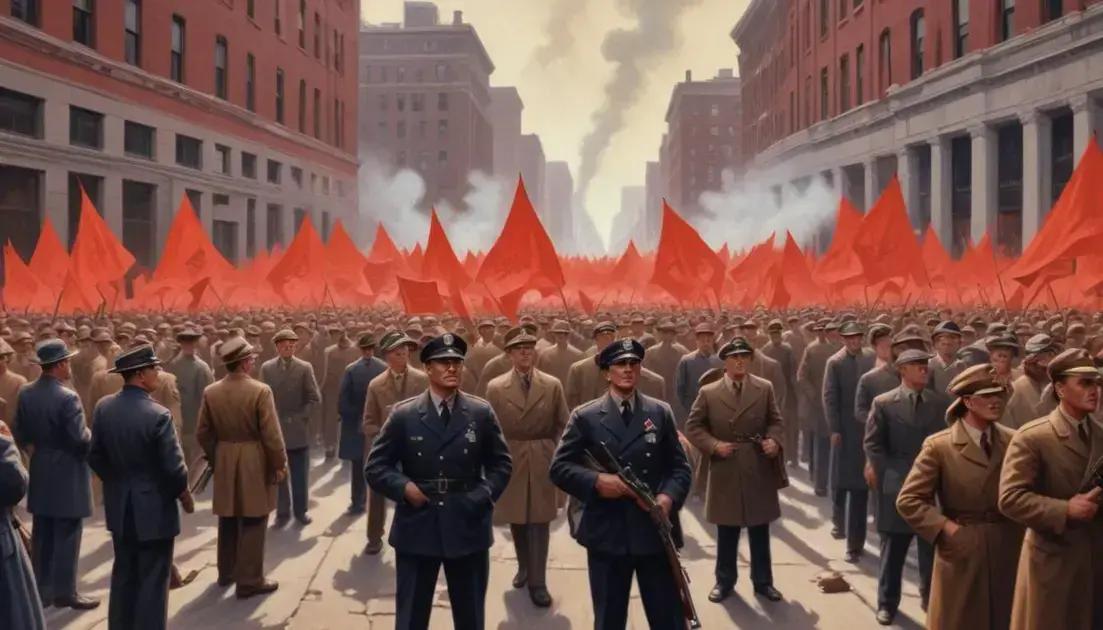
The Soviet Bloc was a group of countries that were aligned with the Soviet Union during the Cold War. It included Eastern European nations like Poland, Czechoslovakia, and Hungary. These countries were under Soviet influence from the end of World War II until the late 1980s.
During this time, the Soviet Union provided military and economic support. In return, these countries followed the USSR’s political and social systems. The Bloc was seen as a way to spread communism across Europe.
Life in the Soviet Bloc was quite different. There were strict government controls, and personal freedoms were limited. However, many people also experienced improvements in education and health care because of state investments.
In the late 1980s, calls for reform grew stronger. Citizens began to demand more freedom and democracy. This unrest played a role in the eventual collapse of the Soviet Bloc. The fall of the Berlin Wall in 1989 marked a key moment of change, symbolizing the end of an era.
Significance of the Fall of the Berlin Wall
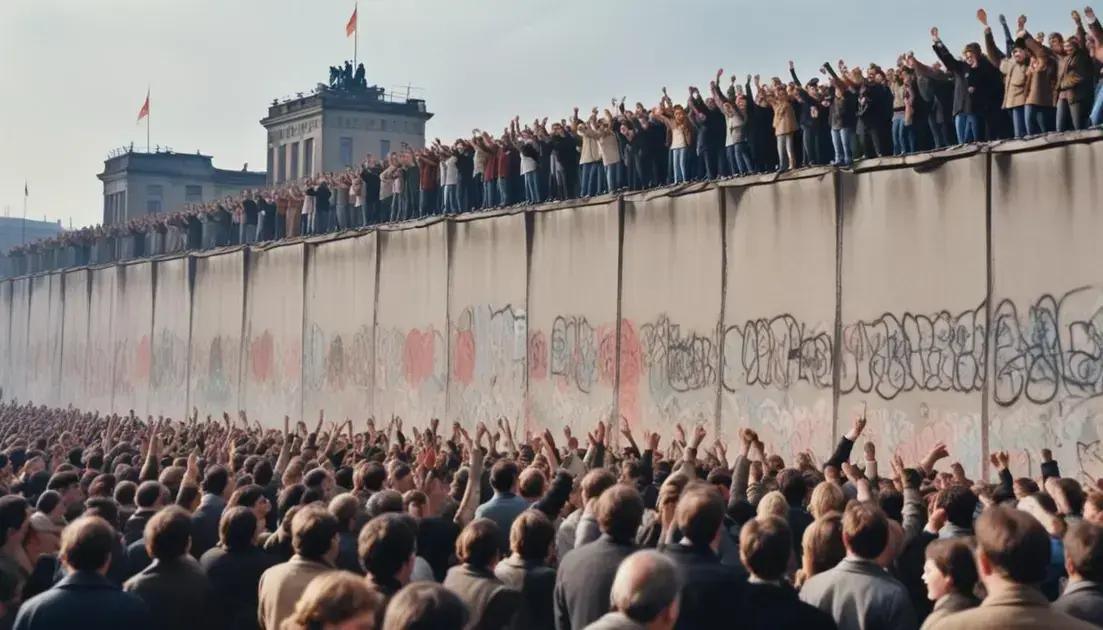
The fall of the Berlin Wall in 1989 was a huge event in world history. It marked the end of the division between East and West Berlin. This wall was a symbol of the Soviet Bloc and the Cold War. It separated families and friends for nearly 30 years.
When the wall came down, people celebrated in the streets. They saw it as a chance for freedom and unity. This event sparked changes across Eastern Europe. Countries started to push for more democracy and less government control.
The wall’s fall influenced global politics. It led to the collapse of communist regimes in several countries. People began to gain rights they had long been denied. The end of the wall also set the stage for Germany’s reunification.
This historic moment changed the way countries interacted. It showed that ordinary people could stand up for their rights. The fall of the Berlin Wall continues to inspire movements for freedom today.
Impact on Eastern Europe
The impact on Eastern Europe after the fall of the Soviet Bloc was profound. Many countries in this region began to change quickly. They moved away from communism and embraced democracy. This shift brought new opportunities and challenges.
People started to enjoy more freedoms, such as speaking their minds and voting. Economic reforms also began, focusing on free markets and private ownership. These changes were not easy and faced resistance.
Countries like Poland and Hungary led the way. Their reforms inspired others in the region. However, these transitions were often tough. Unemployment rose, and some struggled to adapt to new economic systems.
Despite the difficulties, Eastern Europe saw progress. Many nations joined the European Union. This membership helped boost their economies and improve living standards. Today, countries in Eastern Europe continue to evolve, shaping their futures.
Transition to Democracy
The transition to democracy in Eastern Europe was both exciting and challenging. After years of living under communist rule, people wanted change. They dreamed of a system that allowed for more personal freedoms.
Many countries organized elections for the first time. Citizens were eager to vote, expressing their hopes and desires. Political parties formed, and debates filled the air. This energy was contagious and brought communities together.
However, not everything went smoothly. Some people resisted the changes. Old habits and systems were hard to break. Economic issues also arose, making life tough for many.
Countries had to build new governments from scratch. They drafted new constitutions and worked to protect basic rights. Media outlets emerged, providing a platform for varied voices and opinions.
The path was often rocky, but the desire for democracy fueled the drive for reform. Over time, many nations successfully established democratic governments. Today, Eastern Europe continues to grow and evolve as they strengthen their democratic systems.
New Geopolitical Landscape
The fall of the Soviet Bloc changed the geopolitical landscape dramatically. New alliances formed, and old tensions resurfaced. Countries began to look towards the West for support and guidance.
Many nations aspired to join organizations like NATO and the European Union. This desire showed a clear shift away from communism. Countries wanted to embrace democracy and market economies.
New borders were drawn, often sparking conflict. Some ethnic groups pushed for independence or autonomy. This led to both cooperation and disputes in the region.
Economically, countries sought to modernize and attract foreign investment. This created opportunities for businesses but also challenges. Countries had to balance their new relationships with historical ties.
Overall, the new geopolitical landscape brought both hope and uncertainty. Nations are still adapting to these changes today. Understanding this shift is crucial to see how it shapes global affairs.
Conclusion
In summary, the end of the Soviet Bloc brought sweeping changes to Eastern Europe. Countries shifted from communism to democracy, creating a new sense of hope and freedom. This transition was not easy, but it opened doors for many to build better lives.
The impact changed not just the political scene but also the economic landscape. Nations formed new alliances and sought to join strong organizations like the European Union. While challenges remain, the journey has shown the resilience and determination of people in this region.
Understanding this history helps us see how present-day governments and societies continue to evolve. The lessons learned from the past guide their paths forward. Ultimately, the quest for democracy and freedom remains a powerful force shaping the future of Eastern Europe.