European Union: Peace and Integration After the Cold War
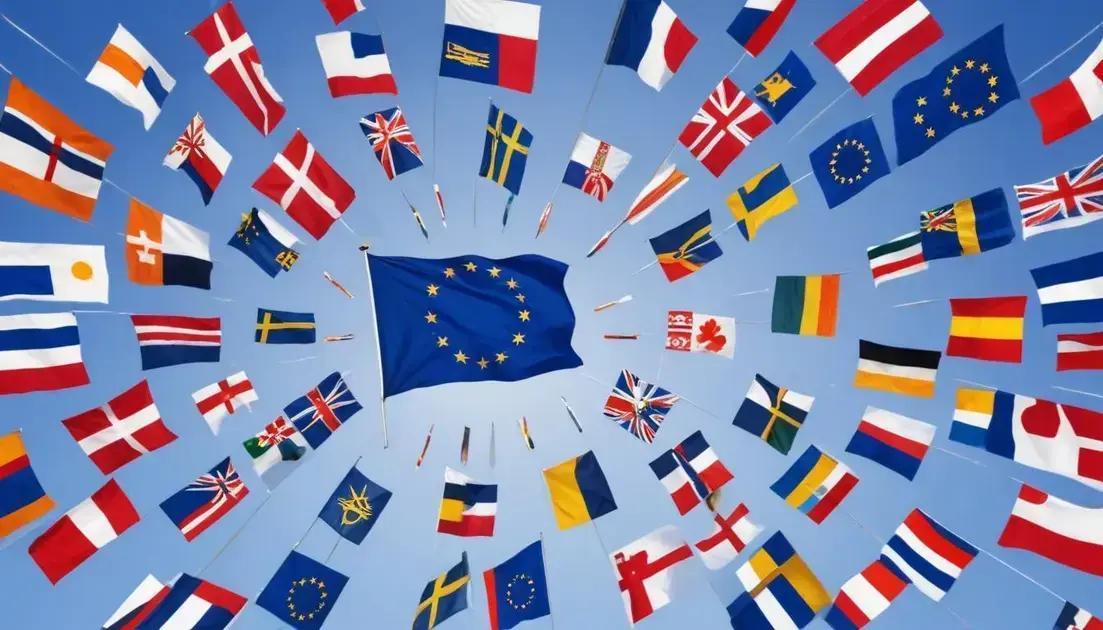
The European Union, formed to enhance peace and cooperation, faces several challenges, including national interests, economic disparities, and migration issues. Key treaties like the Maastricht Treaty and the Lisbon Treaty have shaped its structure and goals. Looking forward, the EU aims to lead in technology and sustainability, strengthen unity among member states, and enhance its global influence while engaging citizens to build trust and support.
European Union: a bold venture in peace and integration. But how did this ambitious project reshape the landscape of Europe after the Cold War? Let’s dive into its origin story and significance.
Historical context of the Cold War
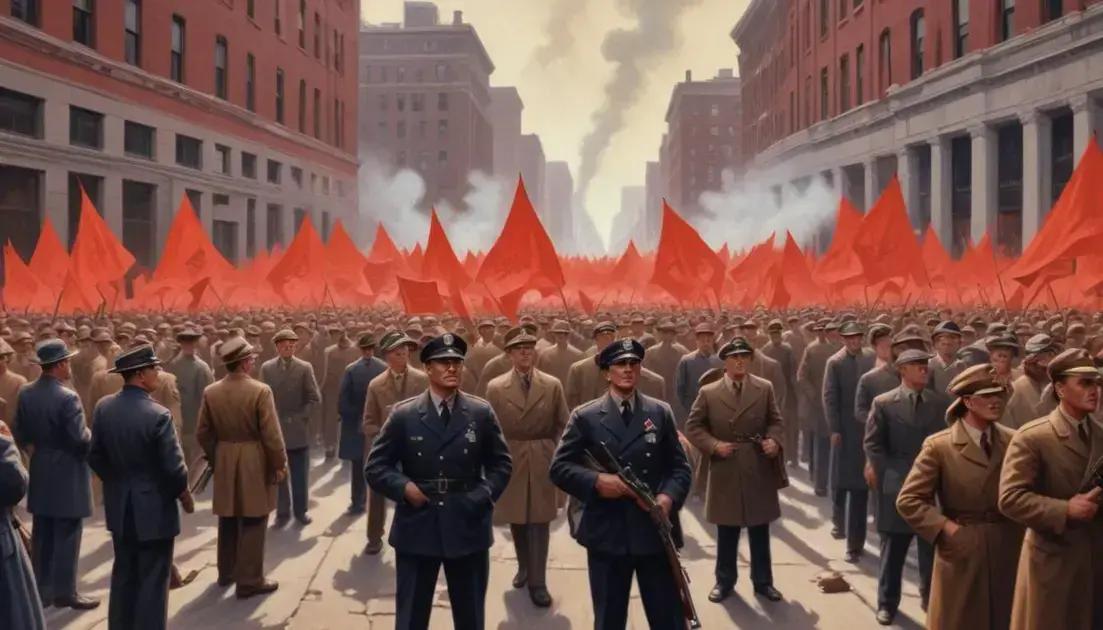
The Cold War was a significant period in history, lasting from roughly 1947 to 1991. It was marked by tension between the United States and the Soviet Union. These two superpowers had very different views on how countries should be run. The U.S. supported capitalism, while the Soviet Union backed communism.
After World War II, Europe was divided into East and West. The East was under Soviet influence, while the West aligned with the U.S. This division led to numerous confrontations, including military standoffs and political disagreements.
Key Events of the Cold War
Many events shaped the Cold War. The Berlin Blockade in 1948 was one of the first major crises. The Soviets blocked access to West Berlin, prompting the U.S. to airlift supplies to residents. This event highlighted the tensions between the two sides.
Another significant event was the Cuban Missile Crisis in 1962. This intense 13-day period almost led to nuclear war. The U.S. discovered missiles in Cuba aimed at them and responded strongly. This crisis showed how close the world was to disaster during the Cold War.
The Role of NATO and the Warsaw Pact
In response to the growing tensions, military alliances formed. The U.S. created the North Atlantic Treaty Organization (NATO) in 1949. NATO included Western nations committed to a mutual defense strategy. Meanwhile, the Soviet Union established the Warsaw Pact in 1955, which united its Eastern European allies.
These alliances deepened the divide and set the stage for numerous conflicts around the globe, from Korea to Vietnam.
Overall, the Cold War impacted not just military action but also everyday life, politics, art, and culture. It was a complex time that reshaped international relations and led to significant changes in the world order.
Formation of the European Union
The European Union (EU) formed to promote peace and cooperation in Europe. Its roots trace back to the aftermath of World War II. Countries wanted to ensure that such devastating conflicts wouldn’t happen again.
In 1951, the European Coal and Steel Community began with six countries: Belgium, France, Germany, Italy, Luxembourg, and the Netherlands. This was an early step toward unity, focusing on shared industries.
Milestones in EU Formation
Fast forward to 1957, and these six countries signed the Treaty of Rome. This treaty created the European Economic Community (EEC). The idea was to create a common market and boost economic cooperation.
Over the years, more countries joined. The union expanded to include nations like Spain, Portugal, and Eastern European countries after the Cold War. Each new member brought diverse cultures and perspectives.
The Maastricht Treaty
The Maastricht Treaty, signed in 1992, was a turning point. It officially established the European Union and set the stage for a single currency, the euro. This was a big step toward deeper integration.
The EU continued to grow, expanding its influence in trade, politics, and security. The union is now a significant player on the global stage, working to address common challenges like climate change and security threats.
Through collaboration, the EU has aimed to create a more stable, prosperous Europe for all its citizens. This drive for unity remains at the heart of the EU’s mission today.
Key treaties and agreements
Several key treaties and agreements helped shape the European Union. These documents laid the groundwork for cooperation and unity among member countries. Each treaty brought new ideas and goals to the table.
One major treaty is the Treaty of Rome, signed in 1957. It created the European Economic Community (EEC). This treaty aimed to promote economic cooperation and free trade among members.
Single European Act
The Single European Act, signed in 1986, aimed to create a single market by removing barriers to trade. This act set the stage for a more integrated economy, allowing goods, services, and people to move freely across borders.
Maastricht Treaty
In 1992, the Maastricht Treaty officially launched the European Union. It also introduced the euro as the single currency. This treaty deepened political and economic cooperation among member states.
Another important agreement is the Amsterdam Treaty from 1997. It focused on enhancing EU policies on justice, home affairs, and foreign affairs. This treaty aimed to make the EU more efficient and effective.
Lisbon Treaty
The Lisbon Treaty, signed in 2007, further reformed EU structures. It aimed to simplify decision-making and improve democratic processes within the EU. This treaty also strengthened the role of the European Parliament.
These treaties and agreements show the EU’s commitment to unity, cooperation, and shared goals. They have helped build a more connected Europe with stronger ties between member nations.
Challenges to peace and integration
The path to peace and integration in the European Union has faced many challenges. While the EU aims for unity, issues often arise that test this goal. Understanding these challenges helps us see the EU’s complex landscape.
One major challenge is national interests. Each member country has its own goals and priorities. Sometimes these differ from EU-wide objectives. This can lead to conflicts and slow decision-making.
Economic Disparities
Economic disparities also create hurdles. Wealthier nations sometimes resist sharing resources with poorer ones. This can cause tension, especially during financial crises. The differences in wealth and resources can strain relationships within the EU.
Migration Issues
Migration is another significant challenge. The influx of migrants can put pressure on social services and resources. Countries have different views on how to handle this. Some want stricter borders, while others push for more inclusivity.
Regional Conflicts
Regional conflicts can also hinder integration. Political instability in specific areas can affect the entire EU. Members need to work together to address these conflicts effectively. However, differing agendas can complicate collaborative efforts.
Public Sentiment
Public opinion plays a role too. Some citizens feel disconnected from EU policies. This can lead to skepticism or even opposition toward the union. It’s important for EU leaders to engage with the public and address these concerns.
Despite these challenges, the EU continues to strive for cooperation and peace. Tackling these obstacles requires patience and commitment from all member states. Together, they can work towards a more unified future.
Future prospects for the EU
The future prospects for the EU look both exciting and challenging. As the world changes, the EU must adapt to new issues. This includes economic shifts, political changes, and social trends.
One key area is technological innovation. The EU aims to be a leader in technology and digital services. Investing in new technologies can boost economies and improve everyday lives.
Sustainability Goals
Another focus is sustainability. The EU plans to become the first climate-neutral continent by 2050. This goal includes reducing carbon emissions and promoting green energy sources.
Strengthening Unity
Unity among member states is crucial for the EU’s future. As challenges arise, countries must work together more closely. This cooperation can strengthen the EU and make it more resilient in a changing world.
Global Influence
The EU also seeks to enhance its global influence. As a significant economic power, it plays a vital role in international affairs. Strengthening relationships with other nations will help the EU advocate for its values and interests.
Public engagement is essential for the EU’s growth. Citizens’ involvement can shape policies and ensure that their voices are heard. This approach helps build trust and support among member states.
The EU faces many prospects, from economic growth to global partnerships. Embracing change while focusing on unity and sustainability will be key for the EU’s future success.
Conclusion
In conclusion, the future of the European Union holds great promise and important challenges. The EU aims to lead in technology and sustainability, making the continent a better place for all. Unity among member states will be crucial as they face new global issues together.
By engaging citizens and strengthening international relationships, the EU can ensure that its values and goals are upheld. Embracing change and innovation will help the EU thrive in an ever-evolving world. Overall, the commitment to cooperation, sustainability, and progress will shape a brighter future for the European Union.