Yalta and Potsdam: Where the World Map Was Redrawn
The Yalta and Potsdam Conferences were pivotal events that reshaped European borders and geopolitical dynamics after World War II. These meetings among major Allied leaders established zones of influence, led to the division of Germany, and directly influenced Cold War tensions. Their legacy continues to affect modern international relations and conflicts, illustrating how decisions made in the past still resonate in today’s political landscape.
When we think about the Cold War, the Yalta and Potsdam Conferences often come to mind as pivotal moments that shaped our world. Let’s dive into how these events redrew the map of Europe!
The significance of the Yalta Conference
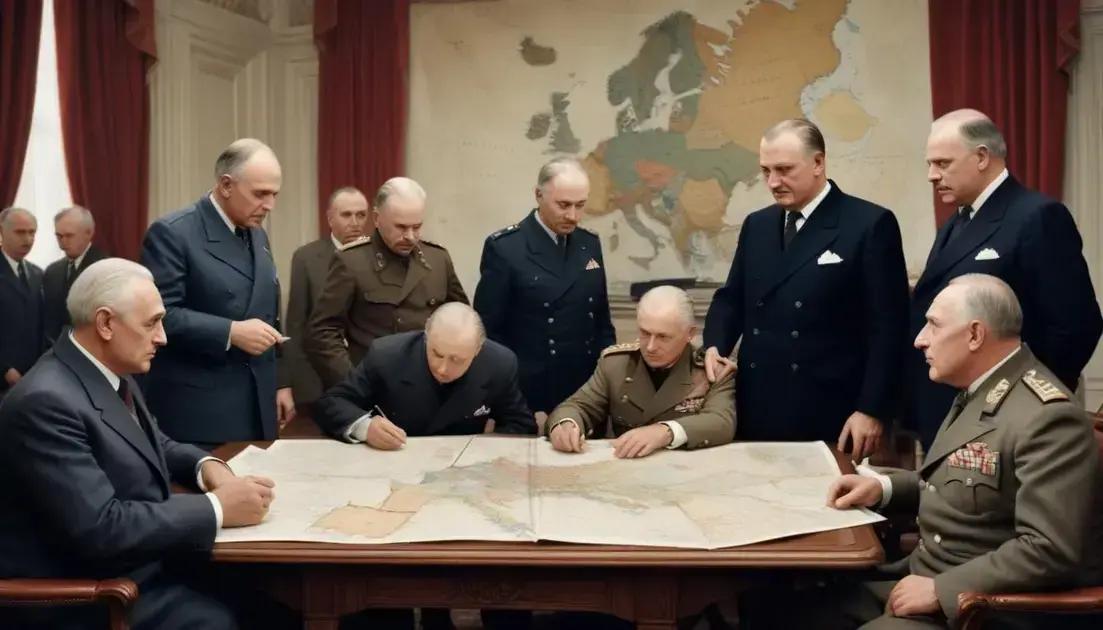
The Yalta Conference was key in shaping the future of Europe after World War II. Held in February 1945, it brought together three major leaders: Franklin D. Roosevelt, Winston Churchill, and Joseph Stalin. They met to discuss how to handle post-war Europe and plan the peace. This meeting was crucial for deciding the fate of several countries.
Important Decisions Made at Yalta
During the conference, they made several key decisions. One of the biggest was agreeing to divide Germany into zones. Each leader would control a specific area. This would help manage Germany’s reconstruction after the war.
Additionally, they discussed the future of Eastern Europe. This area would see increased influence from the Soviet Union. The leaders decided that countries like Poland would have governments friendly to Stalin. This was important for setting the tone of the Cold War, as it led to tensions between the East and West.
Emerging Issues from Yalta
Yalta left a mixed legacy. On one hand, it helped to set up the United Nations, aiming for global cooperation and peace. But on the other hand, it also laid the groundwork for deep divisions in Europe. The decisions made there would lead to years of conflict between the Soviet Union and the West.
The Yalta Conference is often remembered for its significance in creating the world we know today. Its impact is felt in many ways, from ongoing geopolitical tensions to the formation of alliances that still exist. Understanding Yalta gives us insight into how we got here and what challenges we face.
Key decisions made at Potsdam
The Potsdam Conference, held in July and August 1945, was a critical meeting for the Allies. This gathering included leaders like Harry S. Truman, Winston Churchill, and Joseph Stalin. They came together to make key decisions about post-war Europe.
Dividing Germany
One of the main decisions was how to divide Germany. The leaders agreed on splitting the country into four occupation zones. Each zone would be controlled by a different country: the United States, the United Kingdom, the Soviet Union, and France. This was aimed at ensuring peace and stability in Germany.
Germany’s Reparations
The leaders also discussed reparations. They decided that Germany should pay reparations primarily to the Soviet Union. This decision was important for economic recovery but also led to tensions later on.
Significance of Japan’s Surrender
Another key decision was addressing Japan. The Potsdam Declaration called for Japan’s unconditional surrender. Leaders stressed the consequences if Japan ignored the demand. This would eventually lead to the use of atomic bombs.
Post-War Borders and Governments
Potsdam also focused on the borders and governments in Eastern Europe. The leaders confirmed that countries like Poland would have new borders. Additionally, they discussed the nature of the governments in these countries, favoring those aligned with Soviet interests.
The decisions made at Potsdam were crucial for shaping post-war Europe. They set the stage for tensions that would define the Cold War. Understanding these key decisions helps us see how they impacted relations between East and West.
The impact on European borders
The impact on European borders after World War II was huge. The decisions made at the Yalta and Potsdam Conferences changed the map of Europe. These changes set the stage for decades of conflict and tension.
Redrawing the Map
Europe saw its borders redrawn. Countries like Poland shifted westward. This adjustment aimed to compensate the Soviet Union for its losses during the war. Many people were displaced during this process, leading to significant population changes.
New Zones of Influence
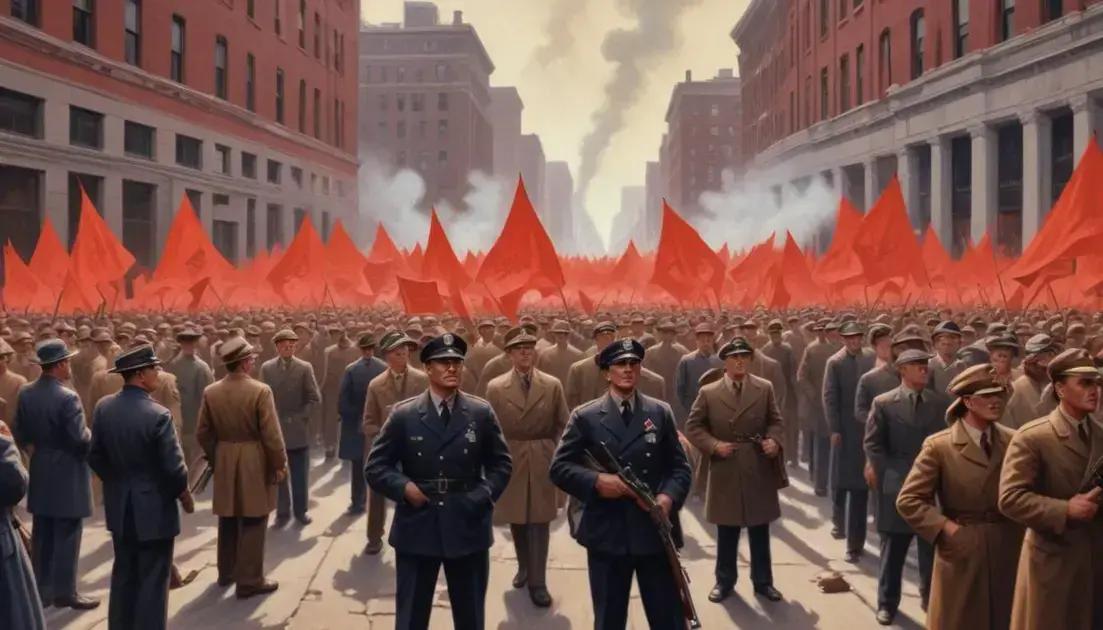
The two main powers, the United States and the Soviet Union, each took control of different areas. The East came under Soviet influence while the West remained aligned with the U.S. This division is often referred to as the Iron Curtain.
Long-Term Effects
These border changes created lasting issues. Many countries faced ethnic conflicts as people found themselves in new nations. Displaced individuals struggled to find their place in a rapidly changing landscape.
Understanding the impact on European borders helps us see how the Cold War began. The divisions made during this time have affected Europe for generations. These changes are still felt in today’s political landscape.
Legacy of Yalta and Potsdam in modern geopolitics
The legacy of the Yalta and Potsdam Conferences still affects modern geopolitics. Decisions made during these meetings laid the groundwork for today’s global order. Understanding this legacy helps us navigate current international relations.
Cold War Origins
Many of the tensions we see today trace back to the Cold War. The division of Europe set up a long-lasting rivalry between the East and West. Countries aligned with the U.S. faced those aligned with the Soviet Union.
Influence on International Relations
The way nations interact today is shaped by the past. The idea of spheres of influence, which emerged from Yalta and Potsdam, still plays a role. Nations often compete for power and influence in key regions around the globe.
Modern Conflicts
The boundaries drawn after World War II influence many modern conflicts. Ethnic and national identities still collide in several regions. The aftermath of these conferences created challenges that continue to spark disputes and wars.
Global Institutions
Additionally, the establishment of global institutions like the United Nations can be traced back to these conferences. Yalta set the stage for cooperation, even if tensions remained high. Today, these bodies aim to foster dialogue and resolve conflicts between nations.
Evaluating the legacy of Yalta and Potsdam helps us understand how past decisions continue to shape our world. Recognizing these connections gives insight into the complexities of international relationships.
Conclusion
In conclusion, the Yalta and Potsdam Conferences played a crucial role in shaping our modern world. They not only redrew European borders but also created tensions that still exist today. The divisions set up during the Cold War have influenced global relationships and conflicts for decades.
Understanding the legacy of these conferences helps us see why countries interact the way they do. It shows how past decisions continue to impact our present and future. By learning from history, we can better navigate the complexities of today’s international politics.
Tags: