A Divided Germany: The Seed of the Cold War
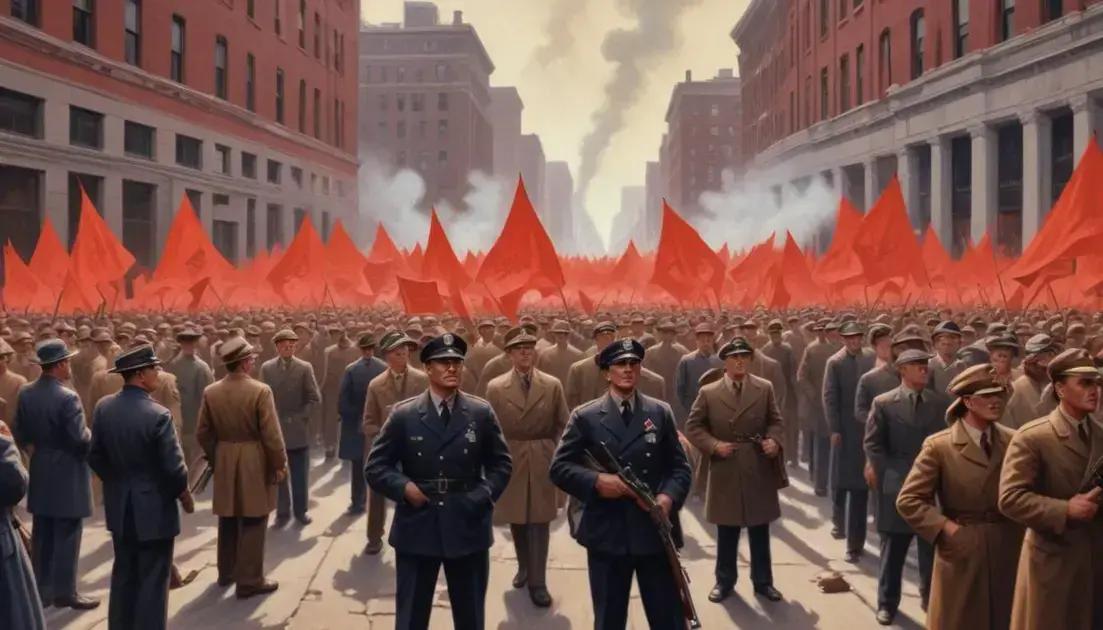
The division of Germany after World War II resulted in East and West Germany, each reflecting different political ideologies. The Berlin Wall, built in 1961, symbolized this separation and the broader Cold War tensions. East Germany faced economic challenges under communism, while West Germany thrived as a capitalist nation. The wall’s fall in 1989 marked a crucial moment, leading to reunification and significant political changes, impacting global relations. The legacy of this division still shapes discussions about equality and opportunities within Germany today.
Cold War is a phrase that evokes strong imagery and discussions. The division of Germany became a prime example of this ideological struggle between two world powers, shaping the course of history. But what led to such a significant split?
Introduction to the division of Germany
The division of Germany started after World War II. In 1949, Germany split into two parts: East Germany and West Germany. This division came from tensions between the Soviet Union and Western allies.
East Germany was under Soviet influence. The government focused on a socialist economy. They wanted to create a society based on equality. In contrast, West Germany leaned towards a capitalist economy, enjoying more freedoms and prosperity.
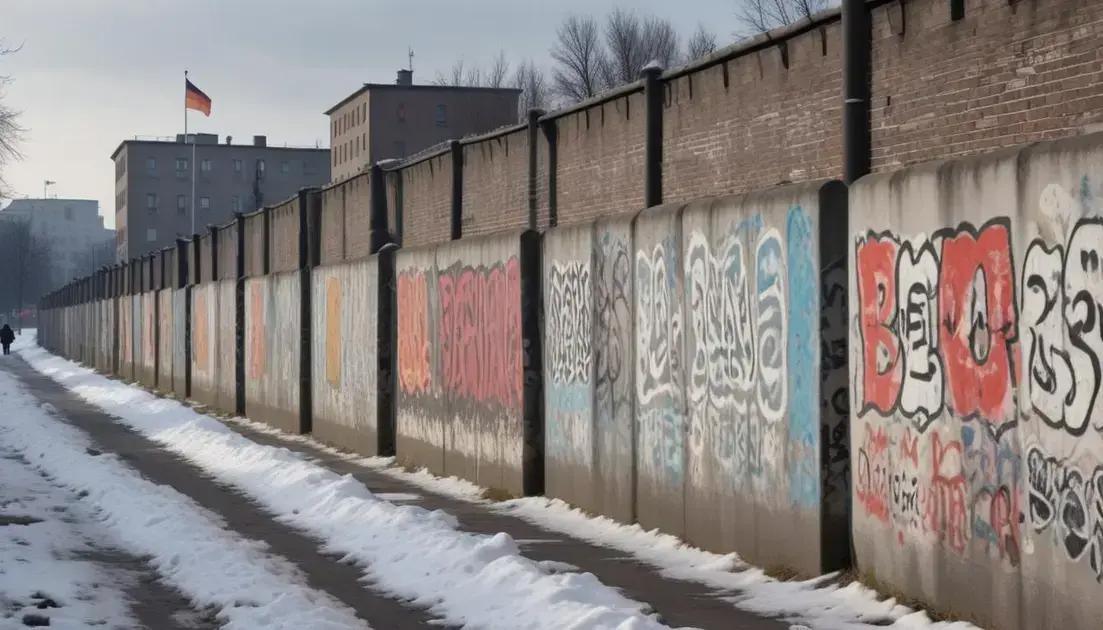
The Berlin Wall was built in 1961. It separated the two Germanys physically and ideologically. Families were torn apart, and people struggled to cross from one side to the other. The wall soon became a powerful symbol of the Cold War.
While West Germany grew economically, East Germany faced many challenges. Many East Germans sought to flee to the West for a better life. This became a significant issue for both governments.
The division impacted not just Germany but the whole world. It was a key part of the Cold War, influencing global politics for decades. Understanding this division helps us grasp the tensions of that era and their effects on today’s world.
Historical background of East and West Germany
After World War II, Germany was split into East and West. This division started in 1949 due to political differences. East Germany, or the German Democratic Republic, was backed by the Soviet Union.
People in East Germany lived under a communist government. They faced strict rules and limited freedoms. The government controlled the economy, focusing on state-owned businesses.
West Germany, known as the Federal Republic of Germany, was influenced by the Soviet Union’s rivals. This part enjoyed a democratic government and a free-market economy. Many West Germans prospered, while East Germans struggled.
The German economy reflected these differences. West Germany’s economy grew rapidly, while East Germany’s lagged behind. People often compared their lives. Many East Germans wanted the freedoms enjoyed in the West.
The divide became clearer with the construction of the Berlin Wall in 1961. The wall separated families and friends. This barrier marked a significant point in the Cold War, showing the stark contrast between the two Germanys.
The significance of Berlin Wall
The Berlin Wall was a powerful symbol during the Cold War. It stood for the divide between East and West Germany. Built in 1961, it separated families and friends overnight. Many people tried to escape from East Germany to the West.
For nearly 30 years, the wall kept East Berliners from freedom. It represented the harsh realities of life under a communist regime. While East Germans faced heavy restrictions, West Germans enjoyed more freedoms and prosperity.
The Berlin Wall wasn’t just a physical barrier. It showed the struggle between two ideologies: communism and capitalism. Countries around the world watched the situation closely.
When the wall fell in 1989, it marked a turning point. People celebrated as they crossed into the West. This event symbolized the end of the Cold War and the start of a new era. It brought hope and the promise of reunification.
Today, traces of the Berlin Wall remain. They remind us of its significance in history. The wall taught the world about freedom and the importance of unity.
Impact on global politics
The division of Germany had a huge impact on global politics. It created deep tensions during the Cold War. Countries had to choose sides. Some supported East Germany, while others backed West Germany.
The Berlin Wall stood as a symbol of this conflict. It represented the struggle between democracy and communism. Many nations viewed this division as a critical point in history.
As tensions rose, various conflicts emerged around the world. Nations were forced to take a stand. The divide influenced military strategies and alliances. Countries aligned themselves with either the Soviet Union or the Western powers.
Important events, like the Cuban Missile Crisis, were connected to the tensions in Germany. Global leaders feared the potential for nuclear war. The situation in Germany shaped diplomatic relations for decades.
When the wall fell in 1989, it changed everything. It sparked hope and signaled a shift in global dynamics. The fall paved the way for greater cooperation among nations. It was a reminder that change is possible.
Consequences of the division for Germany
The division of Germany had lasting consequences for both East and West. Families were torn apart, and many people lost their homes. The Berlin Wall became a physical reminder of these separations.
Economically, East Germany struggled for decades. Its socialist economy couldn’t compete with the thriving capitalist system in the West. Many East Germans faced shortages of goods and job opportunities.
West Germany, however, saw rapid growth. It became a strong economy in Europe. People enjoyed greater freedoms and a higher standard of living. This economic gap widened the divide.
Socially, the countries developed distinct cultures. East Germans had less exposure to Western ideas and lifestyles. This created a sense of isolation and a longing for freedom.
After the wall fell, reunification posed challenges. Integrating two very different societies took time. The process required understanding and patience from both sides. They had to bridge the gaps created by years of division.
The legacy of division still affects Germany today. Many people continue to feel the impact of the past. Discussions about equality and opportunities remain important in shaping the future.
Conclusion
In conclusion, the division of Germany had a lasting impact on the country and the world. It separated families and created two distinct societies with different experiences. East and West Germany developed unique cultures and economies due to their political systems.
When the Berlin Wall fell, it marked a significant change, bringing hope for reunification. Yet, the effects of the division can still be felt today, influencing conversations about equality and opportunity. Understanding this history helps us appreciate the importance of unity and freedom. The lessons learned serve as a reminder of the value of connection among people, no matter their backgrounds.