The U.S. and the “End of History” Dream
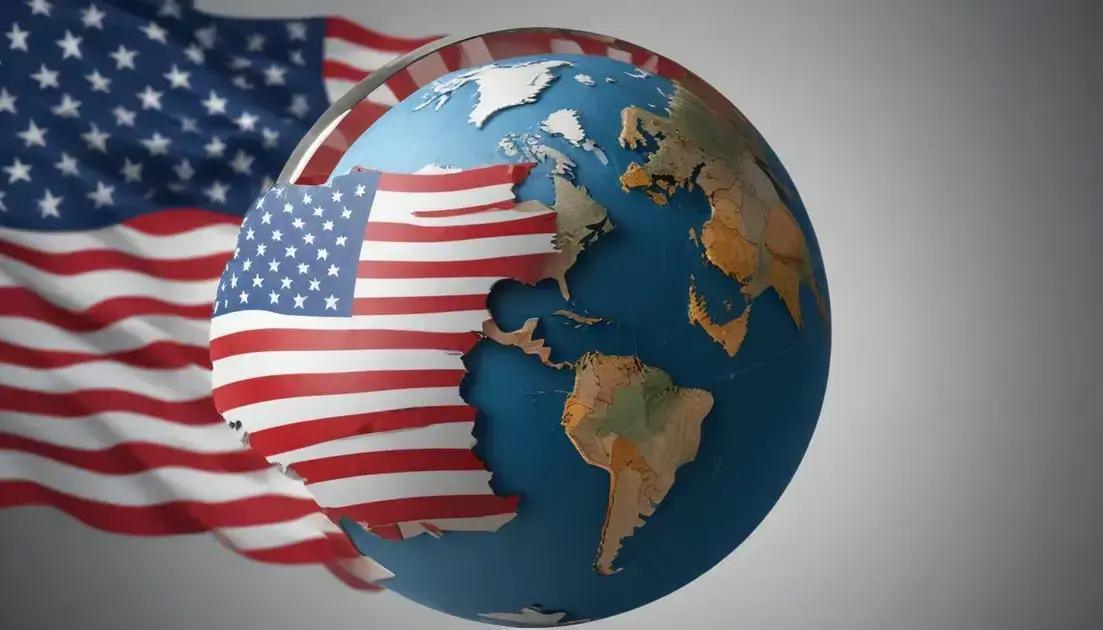
The U.S. has played a pivotal role in shaping global politics following the Cold War, establishing itself as a dominant power. This influence has led to significant shifts in alliances, ideologies, and international relationships. With the emergence of other powers, such as China, the future of U.S. dominance raises questions about global cooperation, economic trends, and addressing critical issues like climate change. Understanding these dynamics is essential for navigating contemporary challenges and making informed decisions for the future.
U.S. Power has reshaped the world’s political landscape post-Cold War. What does this mean for us today? Dive in to explore!
Introduction to U.S. dominance
After the Cold War, the United States emerged as the world’s prime leader. This shift in power changed how nations interacted. There was a spark of hope that democracy would thrive everywhere. U.S. dominance brought new ideas and challenges to global politics.
The Rise of U.S. Influence
During this time, the U.S. led many international organizations. These groups worked on issues like trade and security. With its strong economy and military, the U.S. shaped many global policies. Others looked to the U.S. for guidance and support.
Global Reactions
Not everyone agreed with the U.S.’s position. Some countries felt threatened by its power. Others admired its approach to freedom and rights. This led to different reactions worldwide. Some nations embraced American culture, while others pushed back against it.
Challenges to U.S. Power
As time passed, new challenges arose. Globalization made it harder for any one nation to hold all the power. Emerging nations began to voice their influence. Countries like China and India started to play bigger roles in world affairs.
Still, the idea of U.S. leadership remains strong. Many believe that its values can lead to positive change. The question is, how will this power evolve in the future?
Impact of the Cold War on global politics
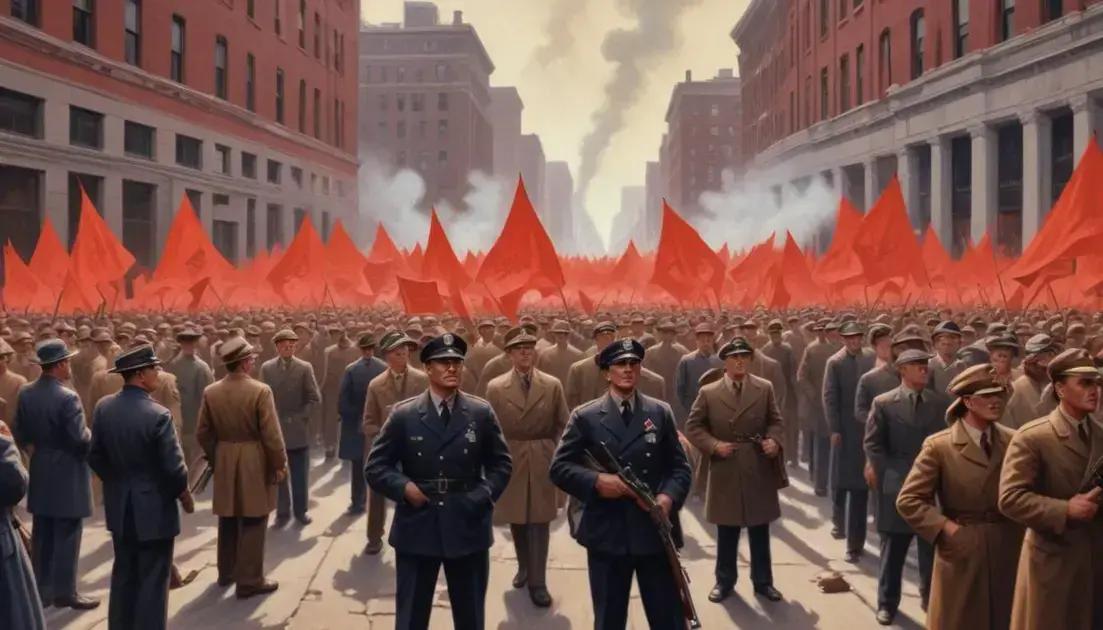
The Cold War changed global politics in many ways. It created tension between major powers, especially the U.S. and the Soviet Union. This rivalry led to new alliances and conflicts around the world. Many countries had to take sides or navigate a tricky middle ground.
Formation of Alliances
During the Cold War, nations formed two main groups: NATO and the Warsaw Pact. NATO, led by the U.S., focused on collective security. On the other hand, the Warsaw Pact included the Soviet Union and its allies. These alliances shaped political relationships for decades.
Spread of Ideologies
Two opposing ideologies also emerged from this era. Capitalism and democracy promoted by the U.S. clashed with communism spread by the Soviet Union. Countries around the globe were influenced by these ideas. Some adopted democracy, while others leaned toward socialism.
Proxy Wars and Conflicts
Because the superpowers didn’t directly fight, they engaged in proxy wars. This meant supporting opposing sides in other countries’ conflicts. For example, the Vietnam War showcased how the U.S. fought against the spread of communism. Similar events unfolded in Korea and Afghanistan.
This era defined international relations and left a lasting impact. After the Cold War, many countries reevaluated their positions. New challenges arose, but the influence of that time is still felt today.
The concept of ‘End of History’
The concept of the “End of History” gained popularity in the 1990s. It suggested that the spread of democracy and capitalism marked the endpoint of humanity’s ideological evolution. Many believed this would lead to a more peaceful world.
Key Ideas Behind the Concept
It centered around the idea that democracy was the best form of government. The thought was that once democracy prevailed, conflicts based on ideology would fade away. This vision created a sense of optimism for the future.
Critiques of the Theory
However, not everyone agreed with this idea. Critics pointed out ongoing conflicts and the rise of authoritarian regimes. They argued that history doesn’t end but keeps evolving with new challenges. Regions with different values and systems still play a significant role.
Impact on Global Politics
The theory influenced many political decisions. Leaders viewed the spread of democracy as a goal. However, this push sometimes led to unintended consequences. Countries where democracy was imposed often faced turmoil.
Despite critiques, the “End of History” still sparks discussions. It raises questions about the future path of global politics and the role of different ideologies.
Future implications of U.S. power
The future implications of U.S. power are significant for global politics. As the world’s largest economy, the U.S. plays a crucial role in shaping international trends. Many wonder how its influence will change in the coming years.
Changing Global Relationships
With the rise of other nations, U.S. dominance may be challenged. Countries like China and India are gaining ground. They are becoming important players in trade and politics. This shift could lead to a more multipolar world.
Influence on Global Issues
U.S. power will likely impact global issues like climate change and security. The U.S. has the resources and technology to lead in these areas. However, it will need to collaborate with other nations for effective solutions.
Economic Trends
The U.S. economy faces challenges, including income inequality and changing industries. How it addresses these issues will affect its power. Innovation and investment in education can help keep the U.S. competitive internationally.
Public opinion will also shape future power dynamics. Americans are increasingly aware of global events and their impact. Leaders must consider citizens’ views when making decisions.
Conclusion on historical perspectives
Understanding historical perspectives is key to grasping today’s world. History shapes our beliefs, choices, and actions. It helps us learn from past mistakes and successes.
Lessons from the Past
Many events taught us valuable lessons. For instance, the effects of conflicts remind us to seek peace. The rise and fall of empires show us how power can change.
Using History to Navigate the Future
By looking at history, we can better address current issues. Today’s leaders face challenges like climate change and inequality. Past responses give us ideas for today’s solutions.
Acknowledging different viewpoints adds depth to our understanding. Each culture has its own history, shaping its identity. Recognizing this can improve global cooperation.
Conclusion
In conclusion, understanding the history of U.S. power and its impact on global politics is crucial for today’s world. History teaches us important lessons about communication, cooperation, and conflict. Recognizing past events helps us navigate modern challenges, like climate change and international relations.
As we move forward, it’s essential to embrace different perspectives. By learning from all cultures, we become better equipped to work together for a brighter future. Ultimately, the knowledge of our past can guide us in making smarter choices for tomorrow.