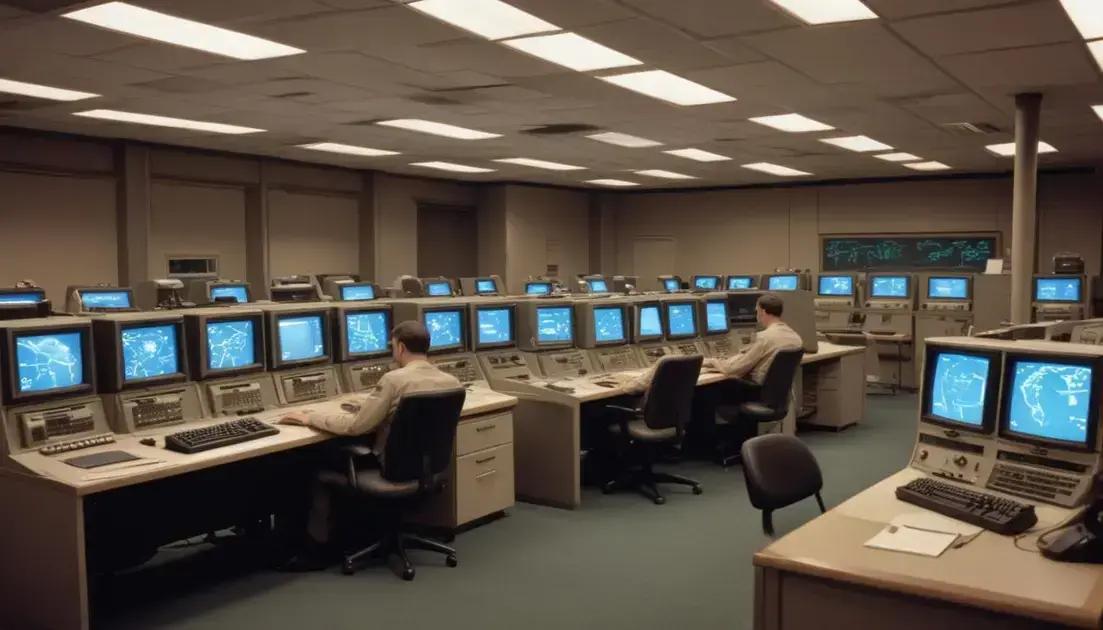
From ARPANET to the Web: A Military Legacy
The future of internet technology promises significant advancements, including faster internet speeds and the growth of smart devices through the Internet of Things. Innovations like artificial intelligence will enhance our online experiences, making them more personalized. As connectivity improves, ensuring robust security measures will be vital to protect user data and build trust. These developments are set to transform how we interact with technology and each other in everyday life.
ARPANET represented a breakthrough in the world of technology. Born from military needs, this network evolved to become what we now know as the internet. But how did a defense project ignite a digital revolution? Read on!
The origins of ARPANET
The origins of ARPANET trace back to the 1960s. Created by the U.S. Department of Defense, it aimed to allow communication between different military computers. This innovative network sought to connect various research institutions.
Early Goals of ARPANET
One primary goal was to ensure military communication during a possible nuclear attack. By connecting computers, information could be shared quickly and reliably. The idea was to create a network that could withstand disruptions.
How It Worked
ARPANET used packet switching technology. This means that data was broken into small pieces or packets and sent over the network. Each packet could take different paths to reach its destination. This method made ARPANET efficient and resilient.
Key Players in Development
Many bright minds contributed to ARPANET. Early developers included engineers like Leonard Kleinrock and Vint Cerf. Their work laid the groundwork for modern internet technology.
ARPANET was first successfully launched in 1969. It connected four major universities—UCLA, Stanford, UC Santa Barbara, and the University of Utah. This milestone marked the birth of networked communication.
Evolution into the modern web
The evolution into the modern web is fascinating and full of changes. After ARPANET, many other networks developed. These networks came together in the 1980s to form a larger system.
From ARPANET to the Internet
In the early 1990s, the term “internet” became popular. It described a global network connecting millions of computers. This made sharing information easier than ever before.
The Role of Protocols
Protocols like TCP/IP helped computers communicate. They defined how data could be sent across different networks. This standardization played a key role in growing the internet.
Web Browsers and the User Experience
The first web browser was invented in 1990. It allowed users to view text and images on the web. Soon, more browsers appeared, like Netscape and Internet Explorer. These made it easier for everyone to access online content.
As browsers improved, so did web design. Websites became more interactive and visually appealing. New technologies like HTML, CSS, and JavaScript emerged. These tools allowed developers to create richer online experiences.
Social Media and Connectivity
The 2000s saw the rise of social media. Platforms like Facebook, Twitter, and YouTube changed how we connect. Sharing ideas and content became part of daily life.
Today, the web is essential for communication, shopping, and entertainment. It influences everything we do and keeps evolving with new technologies.
The military influence on internet technology
The military influence on internet technology is significant and far-reaching. Early internet development was heavily funded by the U.S. Department of Defense. They needed reliable communication for military operations.
ARPANET’s Role
ARPANET, the first network, was a military project. It aimed to connect various military and research computers. This groundwork laid the foundation for our modern internet.
Security and Resilience
Military needs shaped how networks are built today. Achieving security and resilience was a top priority. This focus on cybersecurity continues to influence internet safety measures.
Defense Research and Innovations
Funding from military research led to many innovations. Technologies like packet switching emerged from military needs. This method improved data transfer and communication efficiency.
Educational and Research Impact
Many universities benefited from military connections. Defense projects provided access to advanced research resources. This cooperation helped universities create cutting-edge technology.
Today, military research still impacts the internet. Advances in technology often come from defense initiatives. These developments enhance capabilities for both military and civilian use.
Lasting impacts on connectivity
The lasting impacts on connectivity from the internet are profound. Today, we rely on online communication for both work and personal life. It has changed how we connect with others, no matter where they are.
Global Communication
The internet broke down barriers. People from different countries can now talk instantly. Email and messaging apps have made communication faster and simpler.
Social Media’s Growth
Social media platforms have transformed how we share moments. Facebook, Twitter, and Instagram let us connect and interact. They keep us informed and engaged with our friends and family worldwide.
Remote Work Opportunities
Due to improved connectivity, remote work has become common. Many companies now allow employees to work from home. This flexibility helps maintain a better work-life balance.
Access to Information
The internet provides vast amounts of information at our fingertips. We can learn about anything just by searching online. This access to knowledge helps in decision-making every day.
Furthermore, connectivity drives innovation in education. Online courses allow anyone to learn new skills from anywhere, making education more accessible than ever.
Future of internet technology
The future of internet technology is bright and full of possibilities. We’re seeing rapid changes that will shape our lives. From faster speeds to smarter devices, the internet is evolving.
Increased Speed and Connectivity
With 5G and beyond, internet speeds are set to soar. This means quicker downloads and smoother streaming. More devices will connect seamlessly, enhancing our everyday experiences.
Smart Devices and the Internet of Things (IoT)
The growth of the Internet of Things (IoT) means more gadgets will be online. Smart homes with connected devices will become common. From fridges to thermostats, everything will talk to each other.
Artificial Intelligence Integration
AI will play a big role in shaping the future. It will help personalize our online experiences. For example, smart assistants will improve by learning our habits and preferences.
Enhanced Security Measures
As technology advances, so do security threats. Future internet tech will focus on improving security. Enhanced encryption and privacy features will protect our data.
Furthermore, using blockchain technology could change how we view trust and transactions online. This could lead to more secure exchanges on the web.
Conclusion
In conclusion, the future of internet technology is exciting and full of potential. As we move forward, we can expect faster speeds and smarter devices that improve our daily lives. With innovations like the Internet of Things (IoT) and better integration of artificial intelligence, our online experiences will become more personalized and convenient.
Additionally, as we embrace these changes, ensuring strong security measures will be crucial. Protecting our personal data will help build trust in the digital world. By understanding these advancements and utilizing technology wisely, we can navigate the future confidently, knowing it holds great opportunities for everyone.