Cold War Culture: Fear That Inspired Generations
The Cold War era significantly shaped culture through movies, music, and art, reflecting public sentiment during times of tension. Key lessons from this period include the importance of communication, understanding the impact of fear on society, and the value of collaboration in solving global issues. Today, the legacy of Cold War culture continues to influence modern media, promoting peace and encouraging critical discussions about history and its lessons for future generations.
Cold War culture has left an indelible mark on our collective consciousness, shaping everything from movies to music. Have you ever wondered how this era continues to influence us today?
Cultural reflections of the Cold War
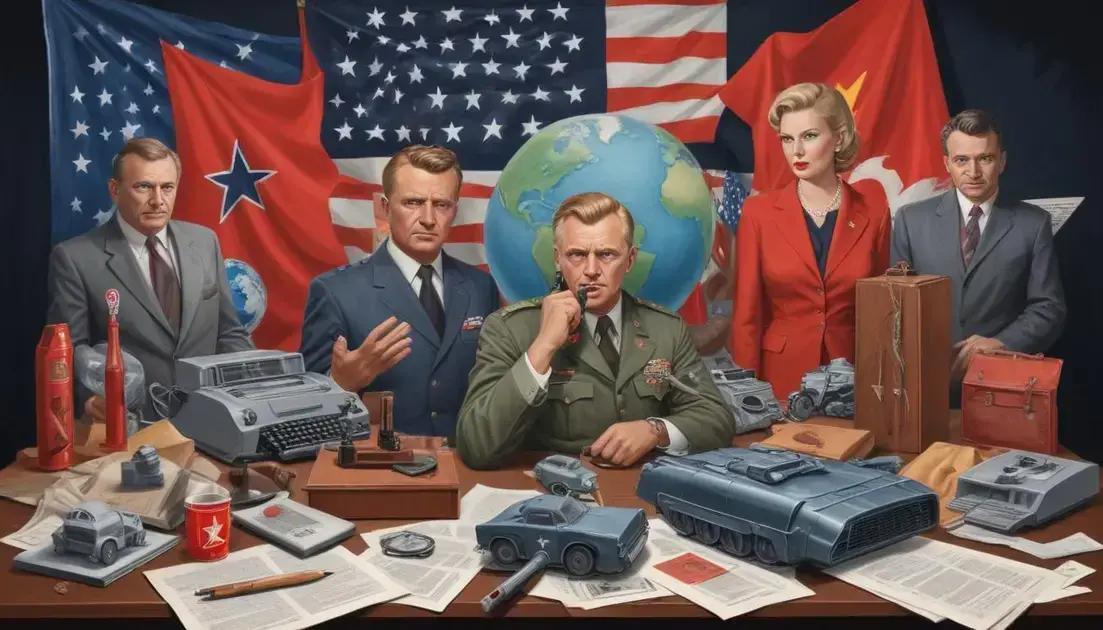
The Cold War brought many cultural changes that shaped how we see the world. Movies, songs, and literature reflected the fears and hopes of people during this time. Films often showed the tension between East and West, using spies and conflicts to tell stories.
Movies that Made an Impact
In the 1960s and 70s, many movies explored the Cold War theme. Films like “Dr. Strangelove” used humor to discuss serious issues. Other films, like “The Manchurian Candidate,” highlighted fears of communism. These movies made audiences think about the world around them.
Music and the Cold War
Music also played a big role in shaping cultural views. Songs like “Give Peace a Chance” became anthems for peace. Artists used their music to express concerns about nuclear war and promote unity.
Art and Literature
Art from this era often showed the struggles and hopes of everyday life. Painters and writers explored themes of fear, identity, and conflict. This creative expression helped people make sense of a complex world.
Lasting Influence
The Cold War left a lasting mark on culture. Today, we still see its effects in films, music, and art. Understanding this influence helps us appreciate the creative responses to a challenging time.
By looking at how culture reflected the Cold War, we gain insight into the fears and hopes of that era. It’s important to remember how art and media can shape our understanding of history.
Impact on cinema and music
The Cold War had a huge impact on cinema and music. During this time, movies became a way to fight fears and express hopes. Many filmmakers used their work to comment on the political climate.
Cinema’s Reflection of Tension
Films like “The Spy Who Came in from the Cold” showed the spy world during the Cold War. This movie gave viewers a look into the fears of betrayal and political intrigue. Other movies, like “The Hunt for Red October,” explored conflict between superpowers, making audiences think about loyalty.
Music as a Voice for Change
Music during the Cold War also reflected the mood of the times. Songs like “Fortunate Son” by Creedence Clearwater Revival criticized war and inequality. These songs spoke to the feelings of many young people who were questioning authority.
Powerful Lyrics and Messages
Lyrics often carried strong messages about peace and understanding. Artists used their voices to connect with listeners and inspire change. The music played during protests helped unite people around common causes, like anti-war movements.
Legacy in Modern Culture
The legacy of this cultural impact still exists today. Many films and songs from the Cold War era are still watched and listened to. They help new generations understand the struggles of the past.
By exploring how cinema and music were influenced, we see how art can shape society’s views and inspire action.
Artistic expressions and public sentiment
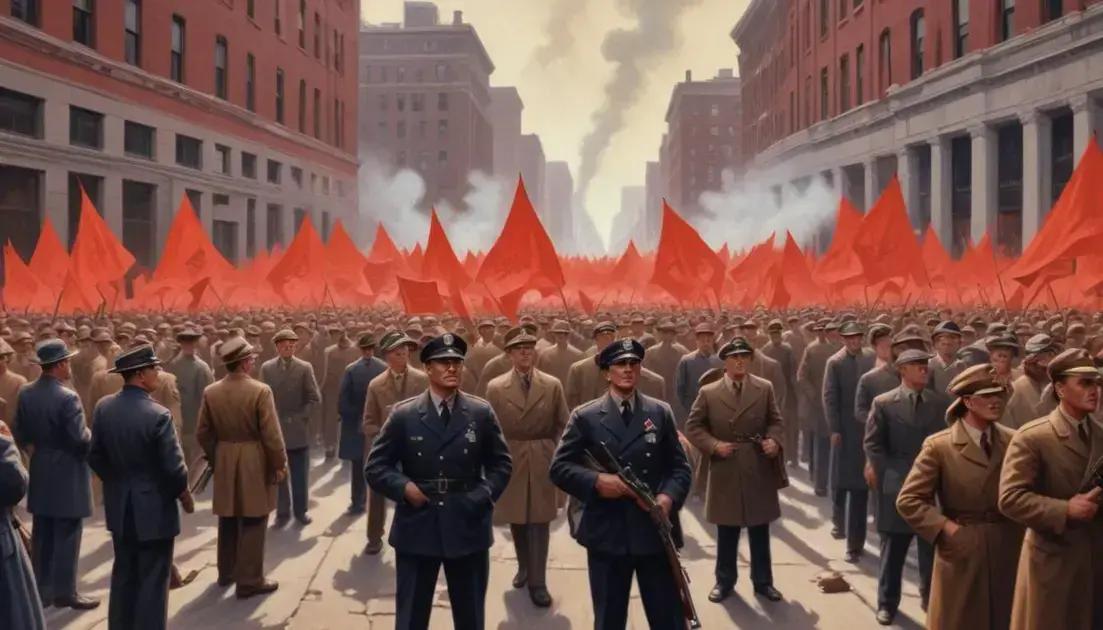
Artistic expressions during the Cold War reflected the public’s feelings. Artists used their work to comment on the political climate and social issues. Paintings, sculptures, and performances often showcased the fears and dreams of people.
Visual Art and Its Messages
Many artists created powerful pieces that highlighted the tension of the time. For example, abstract art allowed them to express emotions without direct references. These works provoked thought about the struggles of the era.
Street Art as a Voice for the People
Street art emerged as a way for the public to voice their sentiments. Murals often addressed key issues like war and peace. They inspired conversations among communities and reflected the desires for change.
Theatrical Performances and Literature
Theater and literature also played vital roles during this time. Playwrights tackled themes of fear and identity in their works. Novels captured the realities of living under constant tension, resonating with many readers.
Public Sentiment in Creative Expression
Through all these forms, artistic expression became a window into public sentiment. It gave people a way to process their feelings about the Cold War. These creative works still inspire us and remind us of the past.
Legacy of Cold War culture
The Cold War culture has a lasting legacy that still impacts us today. Films, music, and art from this era continue to influence modern creators. The themes of fear, hope, and identity resonate even now.
Influence on Modern Media
Today’s movies often reference Cold War themes. Many thrillers and dramas use suspense similar to films from that time. This shows how artists draw inspiration from history.
Music’s Continued Relevance
Songs from the Cold War often carry messages about peace and freedom. Modern musicians still use these themes to address social issues. The desire for harmony and understanding remains strong.
Art as a Reflection of Society
Art inspired by the Cold War challenges us to think critically. Artists today continue to explore conflict and identity through their work. This keeps conversations about history alive.
Lessons for Future Generations
By studying the legacy of Cold War culture, we learn valuable lessons. Understanding these past experiences helps us navigate today’s challenges. It reminds us of the power of artistic expression.
Lessons for modern generations
The Cold War taught us many important lessons. Understanding history helps us avoid making the same mistakes. Today, we can apply these lessons to our lives and society.
Importance of Communication
One big lesson from the Cold War is the need for open communication. Misunderstandings can lead to conflicts. Talking things out helps prevent wars and promotes peace.
Impact of Fear on Society
Fear can greatly affect how we think and act. During the Cold War, fear influenced many choices. Today, we should recognize the dangers of letting fear control us.
Value of Collaboration
Collaboration is key to overcoming challenges. Nations that work together can solve global issues. The Cold War showed us how division can lead to disaster.
Preserving Peace
We must actively work to maintain peace. The lessons from the Cold War remind us that peace requires effort. It’s not just the absence of conflict but building understanding.
Conclusion
In conclusion, the Cold War era teaches us vital lessons that still matter today. We learned how important communication is to prevent conflict and the dangers of letting fear control us. Collaboration can solve many issues, and working together is essential for peace.
These lessons remind us that building understanding is just as important as avoiding conflict. They encourage us to actively work towards a peaceful future by valuing open dialogue and cooperation. By applying what we’ve learned, we can help create a better world for ourselves and future generations.
Tags: