Living Under Watch: Paranoia and Distrust
Surveillance and censorship significantly impact personal freedom and public discourse, leading to a culture of distrust among citizens. Constant observation creates anxiety and affects how people express themselves. As individuals feel monitored, they may hesitate to share their thoughts, fostering suspicion and weakening community ties. Promoting transparency and open communication can help rebuild trust and support healthier societal interactions.
Surveillance has infiltrated our daily lives, transforming the way we interact and communicate. In a world where every move can be tracked, how can we foster trust and authenticity?
The impact of surveillance on personal freedoms
The impact of surveillance on personal freedoms can’t be ignored. It’s surprising how much technology can watch our every move. Many people don’t even realize they are under constant scrutiny.
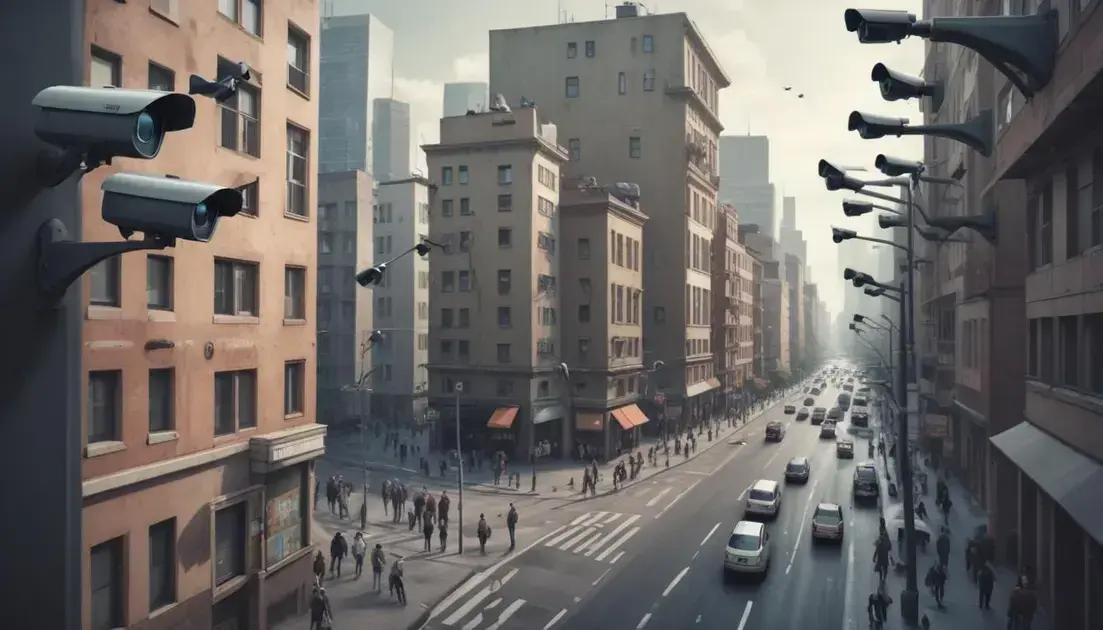
Surveillance is everywhere. From street cameras to online tracking, it affects how we live. When we know we’re being watched, it can change our behavior. We may hold back on what we say or do, fearing judgment.
This constant oversight can create a culture of fear. Citizens might feel they can’t speak freely or express their thoughts. The result? A society that’s less open and less trusting.
People often weigh their actions. If they think they’re being watched, they might not voice their opinions. As a result, important conversations might disappear. Freedom of expression is vital in any society.
While surveillance is often justified for security, it raises questions. Is our safety worth the cost of our freedoms? Laws can protect us, but they must balance security and privacy.
In the end, being aware of surveillance is crucial. Knowing our rights can help us navigate this landscape. We must ask ourselves how much freedom we’re willing to give up in the name of safety.
How censorship shapes public discourse
How censorship shapes public discourse is an important topic. Censorship controls what people can say and hear. It can limit our ideas and beliefs. Many feel unsure about sharing their thoughts openly.
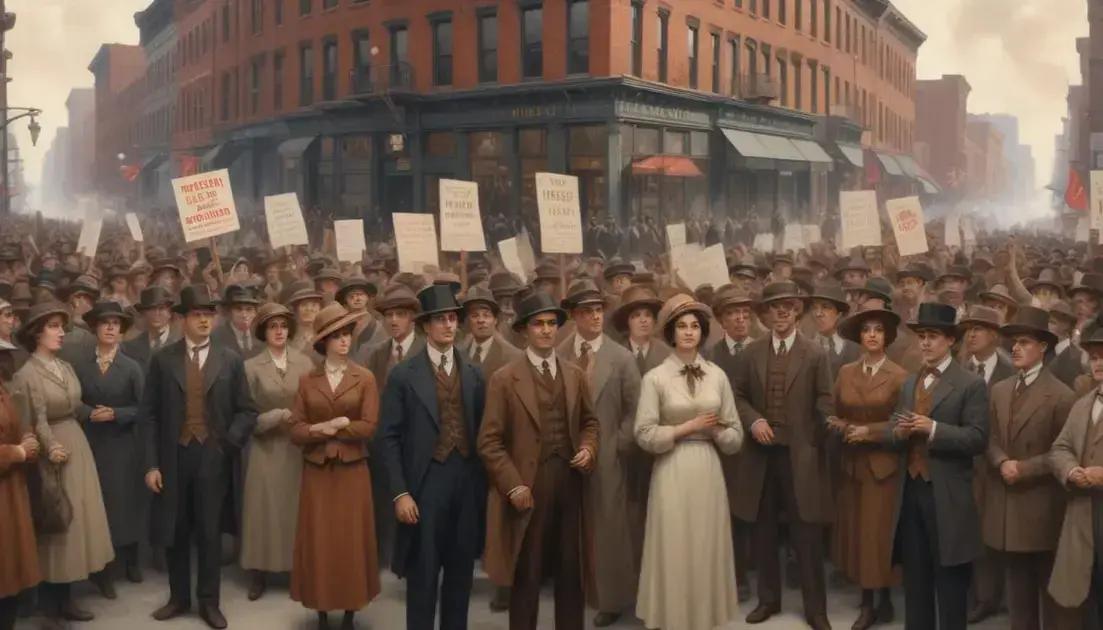
When governments or organizations censor information, it can change how we talk. We might hesitate to express our views, fearing consequences. This creates a chilling effect. It makes people less willing to engage in open conversations.
Public discourse thrives on diversity. We need different viewpoints to grow as a society. Censorship can wipe out voices that challenge the status quo. This leads to a narrow perspective and fewer debates.
Furthermore, censored topics lose their importance. Rarely discussed issues may fade away completely. This can affect education and understanding. People may not get a complete picture of what’s happening around them.
While some say censorship protects society, it can harm us too. It hides crucial information and distorts reality. We should balance the need for safety with the freedom to speak.
Understanding censorship is key. Knowing its effects allows us to fight for free expression. Advocacy for open dialogue helps protect our rights and freedoms.
Creating a culture of distrust among citizens
Creating a culture of distrust among citizens is a serious issue. When people feel watched, they often become suspicious of each other. This distrust can spread quickly, affecting how we interact daily.
Surveillance contributes to this sense of distrust. If individuals believe their privacy is invaded, they may think others are watching, too. It’s natural to feel uneasy in such environments.
When citizens don’t trust one another, open conversations become rare. People may stop sharing their true thoughts. This can lead to a loss of community and connection.
Additionally, distrust can affect relationships. Friends may question each other’s motives, leading to misunderstandings. The simple act of making decisions can turn into second-guessing.
In a culture of distrust, cooperation declines. People may hesitate to work together on common issues. This lack of collaboration can stall progress on important social matters.
To combat this, we need to promote transparency and honesty. Encouraging open dialogue can help rebuild trust. Understanding how surveillance affects our perceptions can also change the way we interact.
Conclusion
In summary, the impact of surveillance and censorship on our lives cannot be overlooked. These forces create a culture of distrust among citizens, making it hard for people to communicate openly. When individuals feel watched, they often hold back from sharing their true thoughts and ideas.
This lack of trust can lead to isolation and weaken community bonds. It’s important for us to recognize how these issues affect our daily interactions. By promoting transparency and encouraging open dialogue, we can rebuild that trust.
Understanding the effects of surveillance and censorship equips us to advocate for a more open society. Together, we can create an environment where everyone feels safe to express their opinions and engage with each other.