What If the USSR Had Reached the Moon First?
The Soviet Union’s potential success in reaching the Moon could have significantly altered Cold War dynamics, influencing global power structures and cultural perceptions. This pivotal achievement would have not only enhanced the USSR’s status as a leader in space exploration but also intensified competition with the United States, prompting more innovations in technology and science. Resulting cultural shifts encouraged public interest in space, leading to a surge in educational pursuits in STEM fields while inspiring artists and writers. The aftermath of the space race illustrates how these historical moments continue to impact societal values and aspirations today.
Space Exploration is a topic that fascinates many of us. But what if the USSR had reached the Moon first? Just imagine the ripple effects that could have altered history.
Introduction
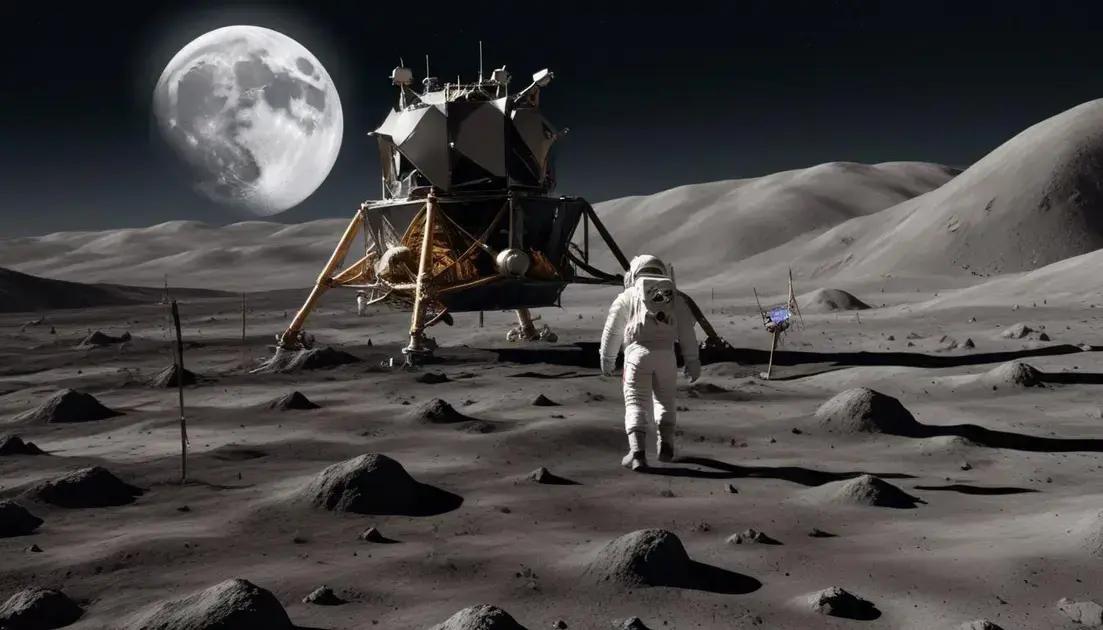
Imagine if the USSR had reached the Moon first. It could have changed everything! The world was in a race. The Cold War was heating up. With the first lunar landing, the USSR could have claimed victory in the space race.
People around the globe were watching closely. Space exploration was not just about science; it was about pride and power. If the USSR had succeeded, their influence might have grown even stronger.
Consider the impact on America. The U.S. government might have reacted by increasing their own space programs. More funding and excitement could have led to quicker advancements in technology.
Think about culture too. Movies, books, and news would all reflect this big shift. Stories about space might have centered more on Soviet achievements. This could have changed our views on heroes and exploration.
What about the impact on science? If the USSR had made a successful Moon landing, it might have opened many doors for research. We could have seen major developments in technology much sooner. The race for Mars might have kicked off years earlier!
The Moon Race
The Moon Race was a thrilling time in history. It was not just about space; it was about power. The USSR and the U.S. were competing fiercely. Each nation wanted to prove they were the best in technology and science.
In the early days, the USSR led the race. They were the first to send a human-made object into space. This was Sputnik, launched in 1957. It shocked the world and pushed the U.S. to respond quickly.
Then came Yuri Gagarin, the first human in space. His flight in 1961 made headlines everywhere. This success added fuel to the fire for the United States.
The U.S. set a goal to land humans on the Moon by the end of the 1960s. President John F. Kennedy inspired people with his famous speech in 1961. He said, “We choose to go to the Moon!” This statement energized a nation and focused efforts on reaching the Moon.
As both countries raced toward the Moon, new technologies emerged. The quest for space led to advances in materials, computers, and communication. Ordinary people became interested in the stars. Science fiction and space themes filled books, movies, and TV shows.
This rivalry changed the world in many ways. The Moon Race was more than just a battle for space. It was about national pride, technological progress, and human capability.
Consequences of Soviet Success
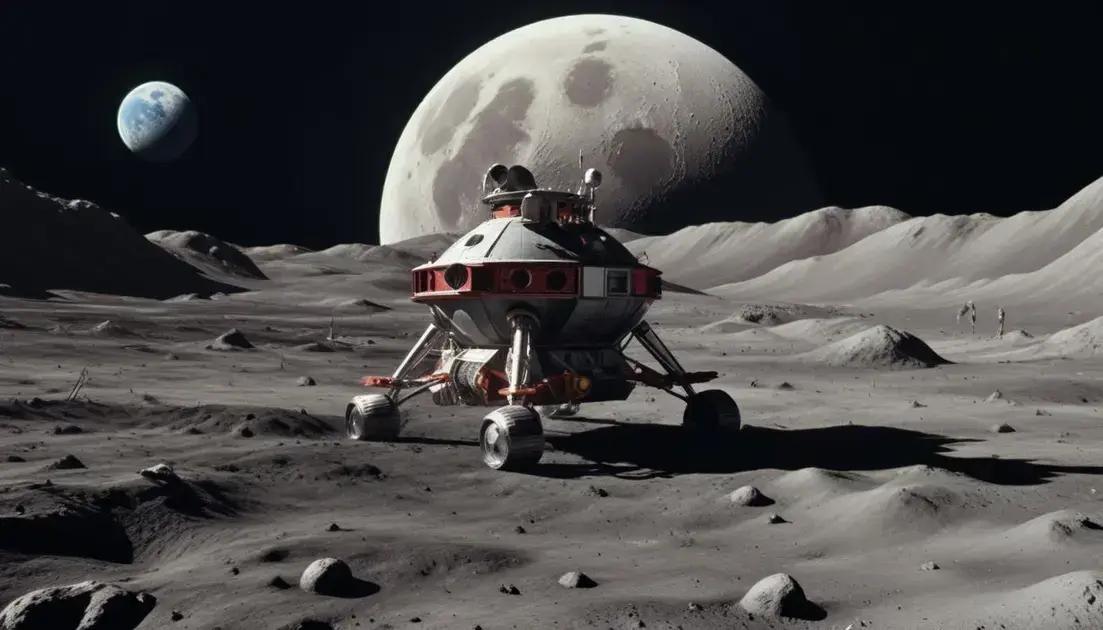
If the USSR had reached the Moon first, it would have changed many things. The world would have viewed the Soviet Union as a major leader in space exploration. This achievement could have boosted their global influence.
The U.S. would likely have felt a sense of urgency. They would want to respond quickly to maintain their reputation. More funding might have flowed into NASA and other space programs.
Fear and excitement would fill the air. Countries allied with the USSR may have felt more secure. They could trust that the Soviet Union was a powerful force in the world. On the other hand, the U.S. and its allies might have increased military spending. This could lead to heightened tensions during the Cold War.
In the world of science, there would have been a surge in interest. Students might have flocked to science and engineering fields, inspired by Soviet achievements. Schools may have adjusted their curriculums to include more about space and technology.
Cultural factors could have shifted too. The Soviet success might have inspired more propaganda. Movies and literature might depict the USSR as a hero on the frontier of space.
Public interest in space would likely grow even more. People around the globe would tune into every launch, eager to see what the USSR would do next. This excitement could have sparked new dreams of exploration.
Impact on Cold War Dynamics
The impact of a Soviet Moon landing on Cold War dynamics would have been significant. If the USSR reached the Moon first, it could shift global power balances. The United States might have felt even more threatened.
With this success, the USSR could have gained more respect and fear. Their technological achievements could boost their influence in other countries. Nations might align more closely with the Soviet Union in hopes of reaping benefits.
This could lead to increased military spending on both sides. The U.S. would likely invest more in defense and space programs. The arms race might heat up, resulting in more tension and conflict.
Propaganda from both sides would probably escalate too. The USSR would celebrate its victory to inspire its citizens. They might showcase their success in education and technology, while the U.S. would promote its own strengths.
The public could become more engaged in politics. People would talk about the space race at home and abroad. This could lead to larger protests or movements concerning war and peace.
Furthermore, a Soviet Moon landing could accelerate international relations. It might spark new treaties or alliances to prevent further escalation. Countries would have to navigate this new landscape carefully.
All of this emphasizes how a simple achievement in space could change everything. A moon landing isn’t just about science. It’s about power, pride, and the future.
Cultural Shifts
The cultural shifts during the space race were profound. When the USSR launched Sputnik, it sparked curiosity everywhere. People began to dream about space like never before.
Movies and books about space travel became hugely popular. Science fiction stories captured imaginations. Characters went on adventures among the stars, and many looked up, wondering what lay beyond.
In schools, science and math became more important. Students wanted to become astronauts, scientists, or engineers. They felt inspired by the idea of exploring the universe.
Art also changed during this time. Musicians and painters began to include space themes in their work. This reflected the fascination with the unknown.
Even fashion saw changes. Clothing inspired by astronauts and space travel appeared in shops. Bright colors and futuristic designs became trendy, showing people’s dreams of what the future could hold.
Civic pride grew as nations achieved milestones in space exploration. National flags adorned celebrations, and parades honored these astronauts. These achievements brought people together, creating a sense of shared purpose.
This excitement over science and technology left a lasting mark. Society began to see paths to peace and cooperation, as countries worked together on projects like the International Space Station. Overall, the impact of space exploration extended far beyond just reaching the Moon.
Conclusion
It’s clear that the Moon landing reshaped our world. Space exploration opened doors to many changes.
First, it sparked excitement for science and technology. This interest led to new inventions and discoveries. Everyone wanted to learn more about the universe.
Next, the space race pushed nations to work harder. Both the USSR and the U.S. sought to outdo each other. This competition drove progress in numerous fields.
Also, the cultural shifts helped people think big. They believed in possibilities beyond Earth. Movies, books, and art flourished with these new ideas.
Finally, the allies and rivals of the superpowers had to adapt. They responded to changes in power dynamics and alliances. The Cold War continued, but space collaboration also grew.
Overall, the quest for the Moon affected many aspects of life. We continue to feel the impact today as we explore Mars and beyond.
Conclusion
In conclusion, the impact of the space race and the possibility of a Soviet Moon landing goes beyond just space exploration. It reshaped politics, culture, and technology in ways we still see today. The USSR reaching the Moon could have changed power dynamics during the Cold War and sparked new ambitions in science and education.
Moreover, this era inspired generations to dream big. It pushed students to pursue careers in science and engineering. The excitement around space also influenced art, music, and literature, showing how deeply intertwined these themes are with our society.
Ultimately, the quest to explore space reminds us of the human spirit. We are driven by curiosity and the desire to discover what lies beyond our planet. As we continue to look at the stars and set new goals, we remember the lessons learned from the past and how they shape our future.