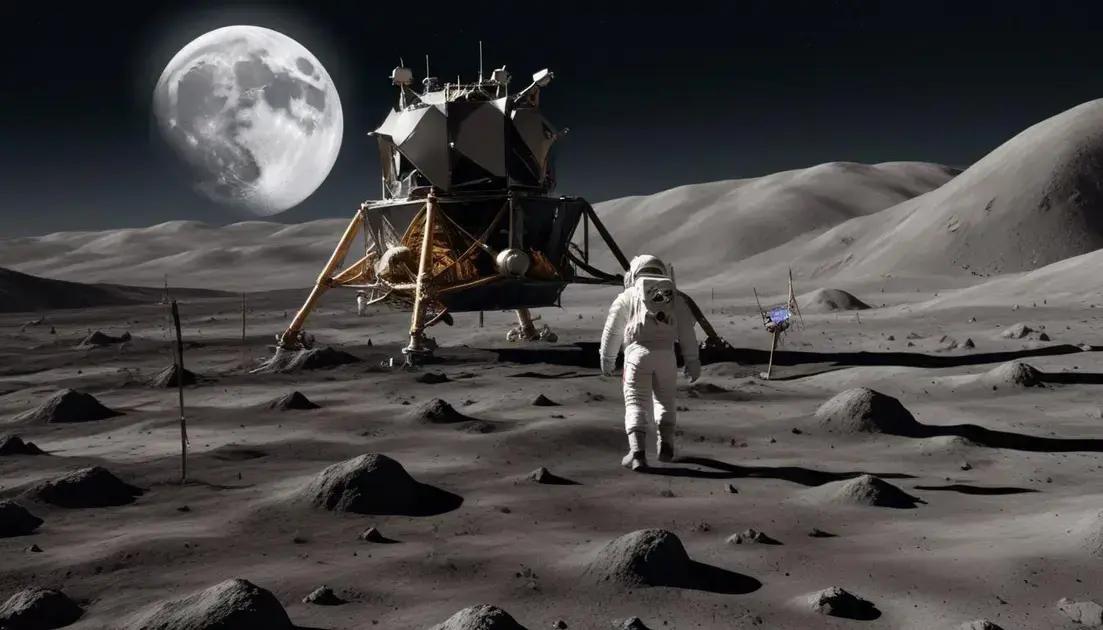
Colonizing Mars: the new space imperialism
The future of life on Mars presents exciting opportunities for colonization, including the creation of safe habitats, effective food production through innovative farming methods, and the development of sustainable life support systems. As we explore this new frontier, community and social interactions will play a vital role in maintaining the mental well-being of settlers. Continued exploration will further unlock the mysteries of Mars, enhancing our understanding and improving life on the planet.
In the thrilling narrative of Space Exploration, we’re not just looking at the stars anymore; we’re planning to live among them. Want to know how? Let’s explore!
The Modern Race to Mars
The race to Mars is on! Big names like NASA and SpaceX are leading the charge. They are planning missions to send humans to the Red Planet in the coming years. Exciting, right?
Why Mars?
Mars is a fascinating place. It has the closest conditions to Earth in our solar system. Scientists believe it could support human life one day. That’s why many want to explore and colonize it.
The Current Missions
NASA’s Perseverance rover is currently exploring Mars’ surface. It’s searching for signs of ancient life while collecting samples. SpaceX, on the other hand, is working on Starship. This spaceship aims to transport people to Mars and back.
Technology and Innovations
Creating the tech needed for Mars travel is crucial. New rockets and life-support systems are being developed. These innovations will help astronauts survive the long journey and harsh conditions on Mars.
The Challenges We Face
Traveling to Mars isn’t easy. Space radiation, lack of air, and harsh climate are serious issues. Scientists are finding ways to protect astronauts and ensure their safety. It’s a team effort that involves many fields of study.
Looking Ahead
Human missions to Mars could happen within the next decade. This goal pushes scientists to think outside the box and dream big. The future holds many possibilities as we aim for the stars!
Political Implications of Space Dominance
Space dominance is not just about exploration. It has huge political implications for countries around the world. As nations race to conquer new frontiers, they raise questions about power and control.
The New Space Race
Countries like the U.S. and China are leading the way in space efforts. This new space race can affect global relations and alliances. It’s a game where winning means more than just getting to Mars.
National Security Concerns
Having a strong presence in space shows military strength. Nations are concerned about space as a battlefield. This has led to more funding for space programs and military branches focused on space.
Economic Opportunities
Space is the next frontier for business. Companies are looking to mine asteroids and develop tourism. These opportunities make space a valuable resource for government interests and corporate profits.
International Treaties and Cooperation
Political issues in space can lead to treaties. These agreements help manage space activities and prevent conflicts. Countries must work together to ensure safety and protect our space environment.
The Future of Diplomacy
Space can encourage cooperation between rival nations. Working together on projects like Mars missions can build trust. Still, competition can also create tension in international relations.
The Technological Advances for Colonization
Technological advances are key to making colonization of Mars possible. With new innovations, we can send people to Mars and help them live there safely.
Spacecraft Development
New spacecraft designs, like SpaceX’s Starship, can carry humans and cargo. These vehicles are built for long-distance travel. This means trips to Mars can be done more safely and efficiently.
Life Support Systems
Life support systems are crucial for colonization. They provide air, water, and food. Scientists are developing systems to recycle waste and grow plants. This helps create a sustainable living environment.
Robotics and Automation
Robots play a big role in exploring Mars. They can handle tasks like building habitats and mining resources. With robots, we can prepare Mars before humans arrive.
Energy Solutions
Getting energy on Mars is vital. Solar panels are already being tested for use on the planet. Another option is using nuclear power. These sources can provide the energy needed for daily life.
Communication Technology
Keeping in touch with Earth is important. Advanced communication systems reduce delays. They ensure that astronauts can share findings and get support when needed.
The Ethical Considerations of Space Exploration
When we talk about space exploration, we need to think about ethics. Colonizing planets like Mars raises many questions about right and wrong.
Impact on Extraterrestrial Life
One major concern is life on other planets. If we find life, we must protect it. We should not disturb ecosystems we don’t understand.
Resource Management
Mining asteroids and using Mars’ resources can be exciting. However, we must do it responsibly. Over-exploiting these resources can lead to problems we can’t fix.
Climate Implications
Sending humans to Mars could have climate impacts. The fuel burned for rockets contributes to pollution. We should consider using cleaner technologies for space travel.
Human Rights in Space
As we explore, we must respect human rights. This includes fairness in who gets to go to space. We shouldn’t just send the wealthy or powerful.
Long-Term Sustainability
It’s important to think about sustainability. What happens if we establish colonies? These habitats must be designed to thrive long-term without damaging the environment.
The Future of Life on Mars
The future of life on Mars is a big topic of interest. Many people dream of living on the Red Planet. But what will it really be like?
Building Habitats
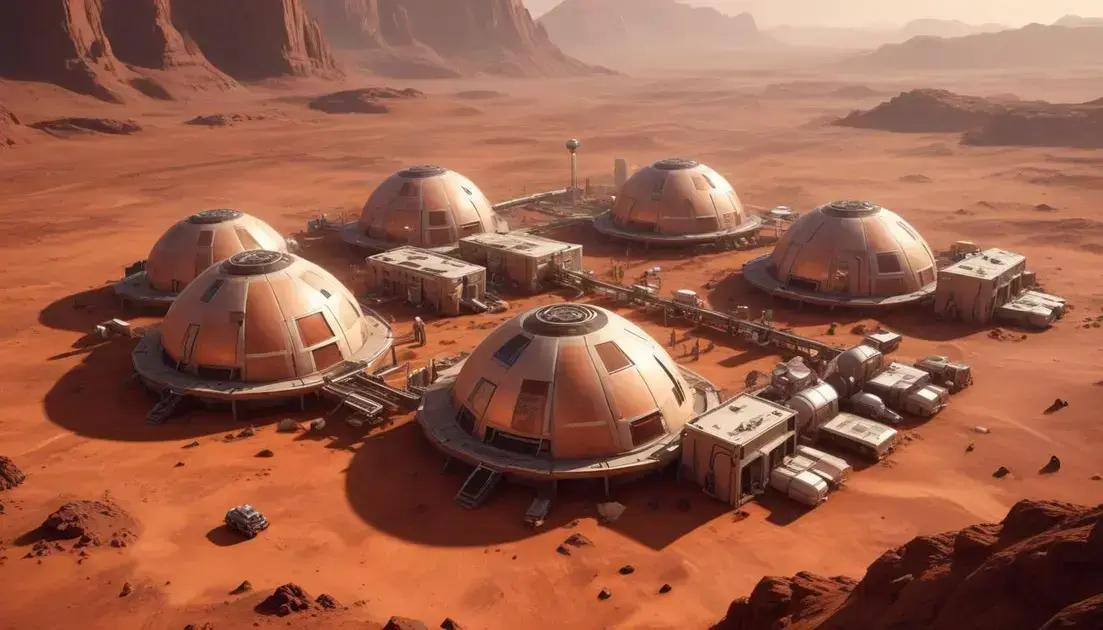
Creating homes on Mars is a challenge. We need strong, safe structures to protect from radiation and dust storms. Scientists are designing habitats using local materials.
Growing Food
Farming on Mars won’t be easy. Plants need sunlight, water, and nutrients. Researchers are exploring hydroponics, which can help grow food in small spaces without soil.
Life Support Systems
Life support systems will provide air and water. Recycling technologies are crucial to make resources last. We must ensure a reliable supply for all residents.
Community and Society
Life on Mars will involve building a community. Social interactions will be important for mental health. Residents will need support and activities to thrive together.
Exploring Mars
There’s so much to learn on Mars! Daily exploration can help uncover its secrets. Discovering more about the planet can make life there even better.
Conclusion
In conclusion, the future of life on Mars holds exciting possibilities. With the right technology, we can build safe habitats and grow food on the Red Planet. Community and support will be key for anyone living there.
As we continue to explore Mars, we will uncover more about its secrets. Every discovery can help make colonization easier and more sustainable. Embracing the challenges of space living will bring us closer to making life on Mars a reality.
Tags: