Digital censorship: the power to silence online
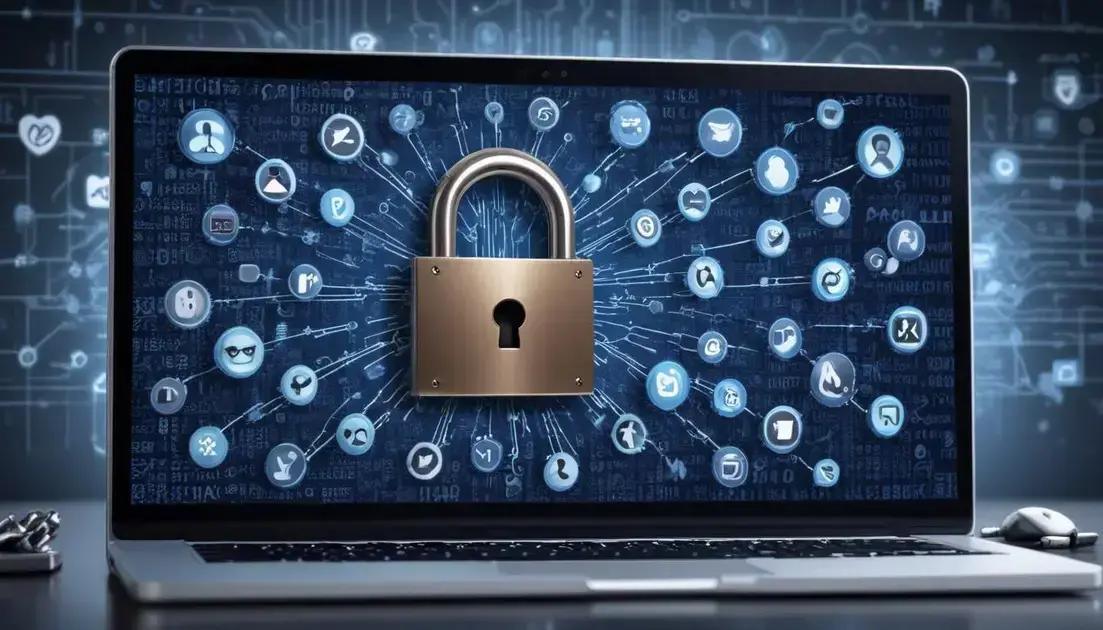
Digital censorship raises important issues regarding the balance between security and freedom. Governments implement various strategies like surveillance and content moderation to control information online. Social media platforms also influence public discourse but can limit free expression through censorship. The public responds by advocating for rights, raising awareness, and engaging in activism. It’s crucial to maintain a dialogue about these challenges to ensure that personal freedoms are not compromised in the name of security.
In today’s digital landscape, Digital Censorship has emerged as a pressing issue, with governments and platforms competing to guide public narratives…. This ongoing battle raises important questions about freedom of expression and accountability online.
The impact of digital censorship
The impact of digital censorship is felt across the globe. It shapes how we communicate and what information we can access. This censorship often comes from both governments and private companies. They try to control the flow of information online.
Government Control
Many governments use digital censorship to maintain power. They may block sites that promote free speech or dissent. For example, in some countries, social media is heavily monitored. This makes it hard for people to share ideas freely.
Private Companies and Censorship
Private companies also play a big role in censorship. Social media platforms can remove content that violates their rules. Sometimes, these rules can be vague or unfair. Users may find their posts deleted without clear reasons.
Public Reaction
People often react strongly to digital censorship. Some fight back, using tools like VPNs to access blocked content. Others raise awareness through protests and campaigns. This pushback shows how much people value the right to speak freely.
Digital censorship can create a culture of fear. When people worry about being watched, they may self-censor. This limits creativity and open discussions. It’s crucial to understand these effects to protect our rights online.
Government strategies in online control
Governments use various strategies to control online information and messaging. One common approach is to monitor internet activity. They track what people are saying and sharing. This is often justified as a way to protect national security.
Censorship
Censorship is a major tool for governments. They may block websites, social media, or apps. For example, certain news sites are often restricted. This limits access to diverse viewpoints and information.
Surveillance
Surveillance is becoming more common. Governments may use digital tools to watch online behavior. This raises concerns about privacy and personal freedoms. Many people feel uneasy knowing they’re being monitored.
Legislation
New laws are often passed to regulate online content. These laws can require companies to remove certain posts. Some might restrict what users can say online. This can create a chilling effect, where people hesitate to express their views.
Collaboration with Tech Companies
Governments often work with tech companies to enforce these strategies. They might ask platforms to remove content or share user data. This partnership raises ethical questions about accountability and freedom of speech.
These strategies show how governments can influence public discourse. Understanding these tactics helps us recognize the challenges to free expression online.
The role of social media platforms
Social media platforms play a crucial role in how we share and access information. They act as a bridge between people and news. These platforms help spread information quickly, but they also face challenges.
Influencing Public Opinion
Social media can shape public opinion in powerful ways. Trends and topics go viral, affecting what people think. A single post can lead to widespread discussions, making it important to think critically.
Censorship and Content Moderation
Platforms often have to choose what content to keep or remove. Censorship can occur when they delete posts they find inappropriate. This process sparks debates about freedom of speech and censorship.
Fighting Misinformation
Another challenge is misinformation. False information can spread as fast as truthful content. Many platforms are now taking steps to reduce the spread of fake news through fact-checking and warnings. They want to ensure users get accurate information.
User Engagement and Activism
Social media also empowers users to engage and install change. Many groups organize movements or campaigns online. This ability helps marginalized voices reach a wider audience, changing the narrative.
While social media has benefits, it also raises concerns. Balancing free expression with responsible content sharing is critical in today’s digital world.
Public response to censorship initiatives
The public often responds strongly to censorship initiatives. When people feel their voices are being silenced, they usually speak up. Protests and online campaigns become common ways to show disagreement.
Awareness and Activism
Social media helps raise awareness about censorship. People share their experiences and connect with others. This engagement can lead to organized movements, both online and offline.
User Reactions
Many users become creative in how they share information. They find ways to bypass restrictions. For instance, using hashtags or coded messages can help spread information under the radar.
Legal Actions
Sometimes, the public takes legal action against censorship. Lawsuits challenge unjust regulations and seek to protect free speech rights. These actions can change policies and raise the profile of censorship issues.
Community Support
Support from community organizations plays a big role. These groups often stand up against censorship by providing resources and mobilizing efforts. They unite people who care about free speech.
Overall, public response to censorship initiatives shows the power of collective action. When individuals come together, they can challenge censorship and fight for their rights.
The balance between security and freedom
The issue of finding a balance between security and freedom is complex. Many people want to feel safe, but they also care about their rights. This tension shows up in discussions about government policies and online regulations.
Security Measures
Governments often argue that security measures are necessary to protect citizens. For example, they may increase surveillance to prevent crime or terrorism. However, this monitoring can infringe on personal privacy.
Freedom of Expression
Freedom of expression is a fundamental right. People should be able to share their thoughts openly. When security measures limit this freedom, it raises concerns about censorship and control.
The Role of Technology
Technology plays a big part in this balance. On one hand, tools like encryption help protect privacy. On the other hand, they can be used by those with bad intentions. Finding ways to use technology safely while respecting rights is crucial.
Public Dialogue
It’s important for the public to engage in dialogue about these issues. Discussions about security and freedom should include many voices. Everyone should have the chance to share their concerns and ideas.
Ultimately, the goal is to protect people without sacrificing their rights. Navigating this balance is a constant challenge for society.
Conclusion
In conclusion, the ongoing debate about digital censorship, security, and freedom highlights an important issue in our society. As governments and platforms work to control information online, public response plays a vital role. Awareness, activism, and community engagement can help protect freedom of expression.
While security is essential for safety, it shouldn’t come at the cost of our rights. Finding a balance is crucial. Everyone has a part to play in ensuring that both security measures and individual freedoms are respected.
By staying informed and engaged, we can influence policies that affect our digital lives. The fight for freedom and safety continues, and it’s up to us to advocate for a fair and just online environment.