Fukushima and the fear of a nuclear future
Fukushima’s legacy has heavily influenced public perception and policy regarding nuclear energy. Many countries are reevaluating safety protocols and considering sustainable alternatives like solar and wind energy. While nuclear power remains a vital energy source, addressing public fears and promoting safety is crucial for its future acceptance and integration alongside renewable energy solutions.
The Fukushima disaster sparked a renewed fear of nuclear energy’s potential dangers. How do we ensure safety while pursuing innovation? Let’s dive in.
The Legacy of Fukushima
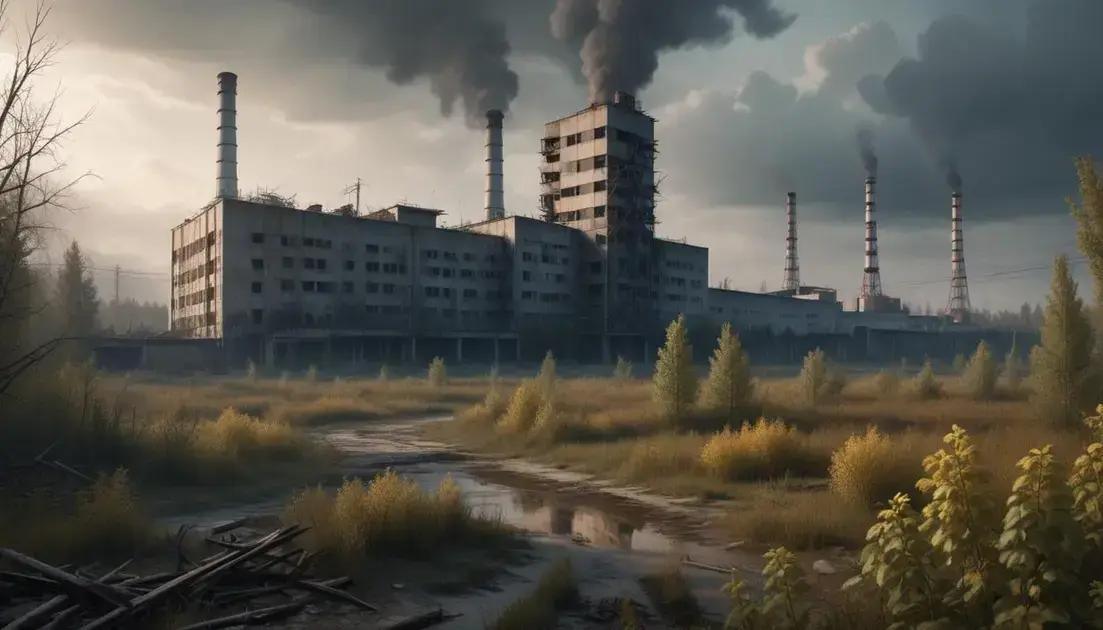
The legacy of Fukushima is still felt today. In March 2011, a massive earthquake led to a tsunami. This tsunami caused severe damage to the Fukushima Daiichi Nuclear Power Plant. The result was a nuclear meltdown. Many people had to leave their homes and communities.
Since then, safety has become a top priority. Many countries are rethinking how they use nuclear energy. They are looking for new ways to improve safety. Regulations and protocols are being updated regularly. This is to protect people and the environment.
Public opinion on nuclear energy has changed as well. Some people are afraid of nuclear power now. Others believe that with better safety, it can be a clean energy source. The debate continues about using nuclear energy in the future.
Lessons learned from Fukushima are important. They help shape the guidelines for nuclear facilities everywhere. There is a strong focus on making sure such disasters don’t happen again. Safety drills and education programs are now more common. These efforts aim to prepare communities for emergencies.
Overall, the legacy of Fukushima reminds us of the risks and responsibilities that come with nuclear energy. As technology advances, finding a balance between safety and energy needs is crucial.
Safety Protocols Re-evaluated
Safety protocols are essential for nuclear power plants. After the Fukushima accident, many countries took a fresh look at their safety rules. They realized that existing protocols needed updates. This is crucial for avoiding future disasters.
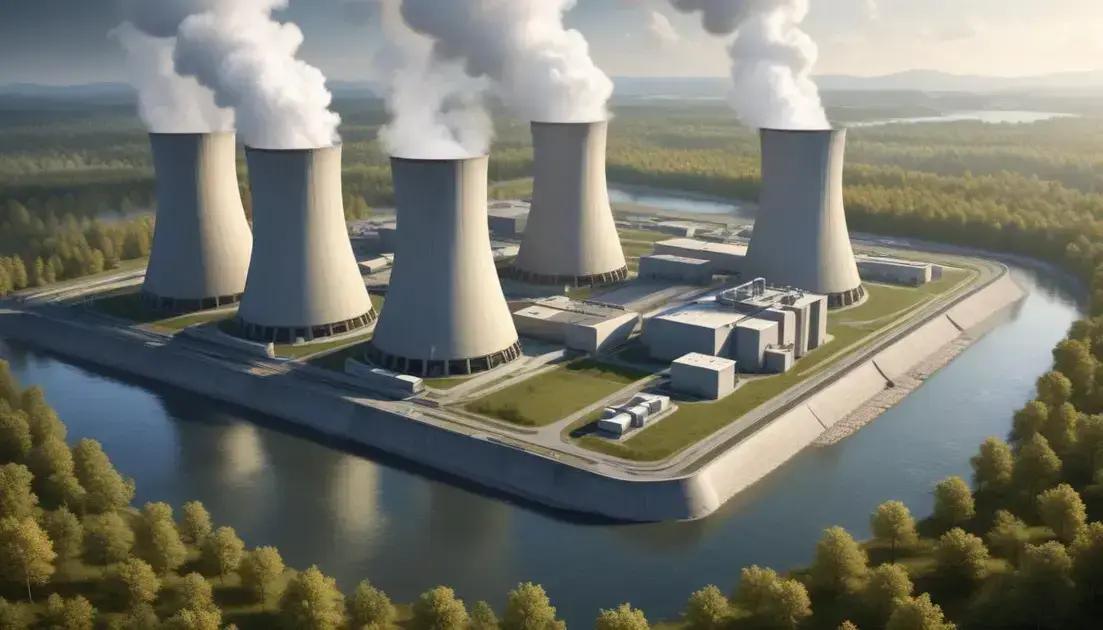
New measures focus on several key areas. First, plant design is being improved. Modern plants have stronger structures to withstand natural disasters. They are designed to cool down quickly in case of an emergency.
Second, regular safety drills are now more common. These drills help workers practice reacting quickly. This training is important for ensuring everyone knows their role during an emergency.
Third, communication protocols are clearer. Operators must inform the public quickly if something goes wrong. Keeping people informed helps reduce panic and ensures safety.
Finally, the use of technology has increased. Sensors and monitoring systems provide real-time data. This allows operators to act quickly if there’s a problem. These advancements make plants safer for everyone.
The Future of Nuclear Energy
The future of nuclear energy looks different as technology advances. Many people believe nuclear power can be part of a cleaner energy solution. New designs for reactors are safer and more efficient.
One exciting development is small modular reactors. These compact reactors use less space and are easier to manage. They can be built in factories and installed where needed. This makes nuclear energy more accessible.
Another important change is the focus on sustainability. Improved nuclear waste management is key. Methods like recycling spent fuel can help reduce waste. This encourages a more eco-friendly approach to nuclear energy.
Renewables, like solar and wind, are also part of the conversation. Some experts suggest combining nuclear with these energy sources. This mix can help create a stable and reliable energy grid.
Public trust is crucial for the future of nuclear energy. Building transparent communication and engaging communities can improve acceptance. People need to feel safe and informed about nuclear projects.
Public Perception and Policy Change
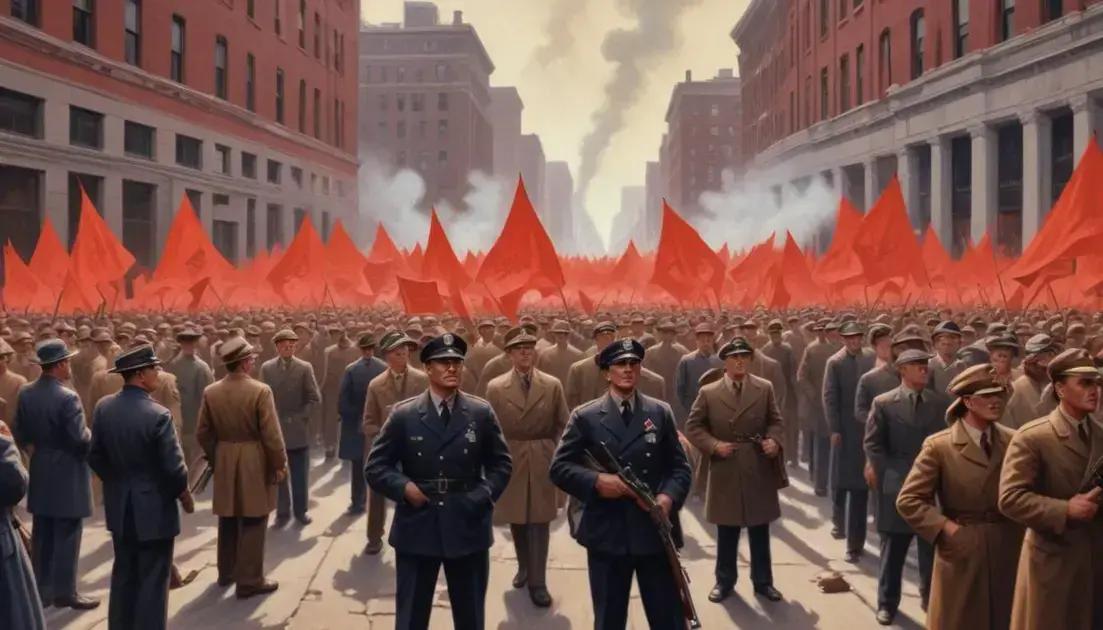
Public perception of nuclear energy has changed a lot since Fukushima. Many people are more cautious about nuclear power. They fear the risks it can pose after seeing what happened in Japan.
Social media plays a big role in shaping opinions. Misinformation can spread quickly, raising concerns about safety. To combat this, clear information from experts is essential. People want facts they can trust.
Government policies are also adjusting based on public opinion. Some countries are pushing for stricter regulations. They want to make sure safety measures are top-notch. Others are looking at how to promote nuclear energy alongside renewables.
Engaging the community is key. Public forums and discussions can help clarify the benefits and risks. These conversations allow citizens to voice their concerns and ask questions.
Also, involving local leaders in decision-making can create trust. These leaders can help bridge the gap between the government and the public. This way, policies reflect the community’s needs and values.
Sustainable Alternatives to Nuclear
As we look for sustainable alternatives to nuclear energy, several options stand out. Two popular choices are solar and wind power. These sources are renewable and produce clean energy. They don’t release harmful emissions into the air.
Solar panels capture sunlight and convert it into electricity. Many homes and businesses are using solar energy to reduce their bills. It’s a great way to lower dependence on traditional energy sources.
Wind energy, on the other hand, harnesses the power of the wind. Wind turbines spin when the wind blows, generating electricity. This method is also eco-friendly. Many countries invest in wind farms to produce more power.
Biomass is another alternative. This energy comes from organic materials like plants and waste. It can be used to produce heat and power. While it’s renewable, it’s essential to manage biomass responsibly to avoid negative impacts on food supplies.
Each alternative has unique benefits. They can work together with nuclear energy to create a balanced energy mix. By combining these methods, we can work towards a more sustainable future.
Conclusion
In conclusion, the future of energy needs careful planning. Balancing nuclear energy with sustainable alternatives is essential. We must consider public perception and safety protocols to build trust in nuclear power.
Using renewables like solar and wind helps reduce our carbon footprint. They offer clean, safe energy that can support our needs now and in the future. By combining different energy sources, we can create a stable and safe energy supply.
Ultimately, the goal is to adopt technologies and policies that protect our planet while meeting our energy demands. Together, we can work towards a more sustainable and secure energy future.
Tags: