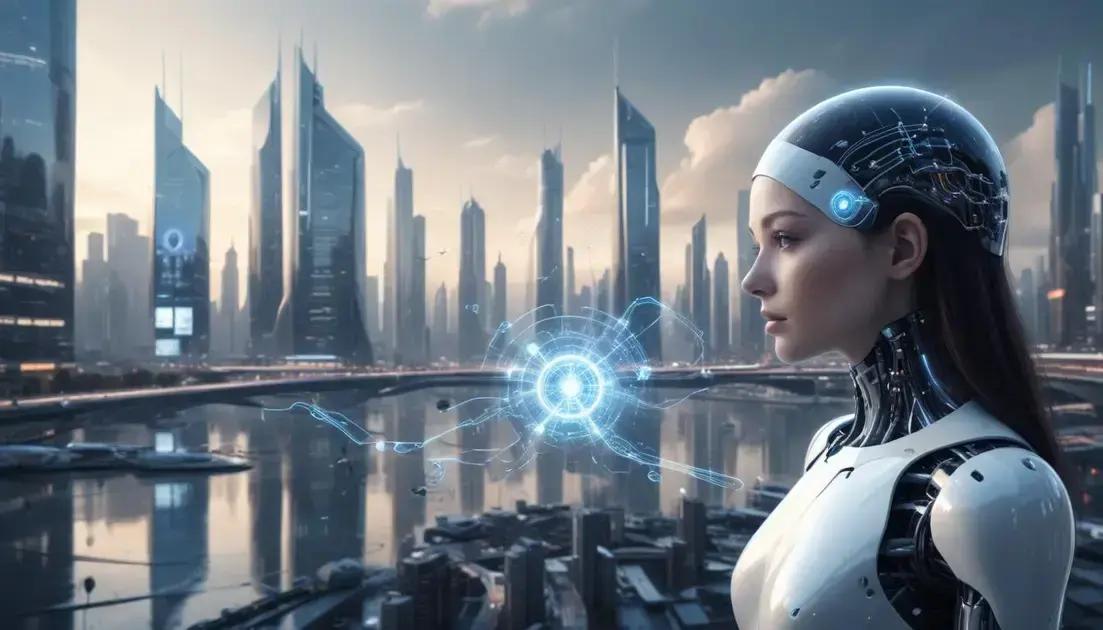
Faith and artificial intelligence: when science seeks God
The intersection of faith and technology explores how advancements in artificial intelligence influence religious practices and beliefs. As technology facilitates new ways to engage with spirituality, tools like live-streaming and apps enhance communal worship, while virtual reality offers immersive experiences. However, this integration raises ethical questions about preserving the personal touch in faith practices. Embracing these innovations responsibly can lead to a greater connection between technology and religion, enriching spiritual journeys.
Innovation in technology is creating a buzz in spiritual conversations about creation and our souls. At the crossroads of Faith and innovation, what future awaits us?
The Intersection of Faith and AI
Many people wonder how faith and artificial intelligence (AI) can relate to each other. As technology grows, these questions become more common. AI is not just about machines. It’s also about thinking and feeling, which ties back to our faith.
How AI Influences Our Understanding of Faith
AI can change how we see big questions about life. It can help us dig deeper into beliefs. For instance, some groups use AI to analyze sacred texts. This offers new insights into how we understand our faith.
The Role of Spirituality in Technology
Spirituality isn’t just for places of worship; it’s also in our everyday tech. Many apps aim to inspire and strengthen our faith. They bring communities together, helping us connect with others. This blending of tech and spirituality can create a stronger sense of belonging.
Challenges and Concerns
While AI offers fresh views, it also raises concerns. Some worry that using AI in spiritual matters could be dangerous. It’s important to ask, “What does this mean for our faith?” The challenge is to find a balance that respects both technology and our beliefs.
Looking Ahead
As AI continues to develop, our relationship with faith will keep evolving. It will be exciting to see how technology can complement our spiritual journeys. How can we ensure that AI supports, rather than replaces, our deep-seated beliefs?
Exploring Consciousness through Technology
Technology helps us explore the idea of consciousness in new ways. Scientists and thinkers are using tools to understand how our minds work. With each step forward, we learn more about our own awareness and existence.
The Connection Between Tech and Consciousness
AI and neuroscience often work hand in hand. Researchers are using AI to analyze brain patterns. This could help us uncover how thoughts and feelings arise. These studies can deepen our grasp of what it means to be conscious.
Innovative Tools for Understanding Minds
Some technologies simulate brain functions. For example, brain-computer interfaces (BCIs) allow us to control devices with thought. This shows the power of merging technology with our mental processes. Each breakthrough reveals more about our consciousness.
Ethical Questions to Consider
As we study consciousness through tech, ethical concerns emerge. We must think about privacy and the implications of our findings. What does it mean to understand the human mind more deeply? It’s vital to handle this knowledge with care.
The Future of Consciousness Studies
The future holds exciting possibilities. As technology advances, so will our understanding of consciousness. We might unlock new ways of thinking and experiencing life. This journey blends technology, science, and our human experience.
The Role of Spirituality in Technological Advancement
Spirituality isn’t just about faith; it can also shape technology. Many people believe that a spiritual mindset opens doors to innovation. When we connect our values with technology, amazing things can happen.
How Spirituality Inspires New Ideas
Many inventors and thinkers draw inspiration from their beliefs. This connection helps them create tech that aligns with their values. They see technology as a way to enrich lives and promote positivity.
Technology that Reflects Our Values
Some recent technologies focus on well-being and mindfulness. Apps for meditation and relaxation are great examples. These tools not only serve a purpose but also encourage a deeper connection to ourselves and the world around us.
Collaboration Between Belief and Innovation
Many organizations blend spirituality into their tech processes. They aim to create products that enhance human experience. This blend shows how spiritual thinking can guide tech development toward positive change.
Challenges in Merging the Two
While combining spirituality with technology offers many benefits, challenges still exist. Balancing profits with purpose is key. We need to ask ourselves: Does this technology reflect our values? The right approach can lead to meaningful advancements.
Debating Creation in an AI Era
In today’s world, artificial intelligence (AI) raises big questions about creation. As machines learn and evolve, we must consider what it means to be created. This debate is vital for understanding our place in the universe.
What Is Creation in the Age of AI?
Many people think of creation as a divine act. Yet, with AI, we’re seeing machines that can create art, music, and even stories. How does this change our definition of creation? It’s a topic that sparks strong opinions.
The Role of Humans vs. Machines
People often argue about who should get credit for creative works. If an AI creates a painting, should it be considered art? Who is the true artist—the programmer or the machine? These questions challenge our traditional views on creativity.
Ethical Considerations
As we push forward, we must also consider ethics. What happens if AI creates something harmful? How do we hold machines accountable? Finding answers to these questions is important for a safe future.
Engaging in Healthy Debate
Debating these issues can help us find balance. It promotes understanding among people with different beliefs. As we discuss AI and creation, we should be open-minded. Listening to various perspectives leads to richer conversations.
Future of Religion and Technology
The future of religion and technology is full of possibilities. Many people wonder how these two areas will connect. As technology advances, it can help us practice religion in new ways.
How Technology Can Enhance Faith
Technology offers tools that make religious practices easier. Live-streaming services let people join worship from anywhere. Apps can help with daily prayers and reminders. This brings communities closer together, no matter the distance.
Virtual Reality and Spiritual Experiences
Virtual reality (VR) is changing how we experience spirituality. People can visit sacred places without leaving home. VR can recreate comforting environments for meditation or prayer. This might deepen one’s connection to their faith.
Challenges of Integration
While technology can enhance religion, it also raises questions. Some worry about losing the human touch in spiritual practices. How do we balance technology with the heart of faith? Finding this balance will be important.
Looking Ahead
As we look to the future, staying open to change is crucial. Religion and technology can grow together, offering fresh perspectives. By embracing both, we might discover new ways to connect with our faith.
Conclusion
In conclusion, the future of religion and technology offers exciting opportunities for growth and connection. As we embrace new tools, we can enhance our spiritual practices and strengthen our communities. Technology like live-streaming and virtual reality helps bring people together, no matter the distance.
However, it’s important to balance these advancements with the heart of our faith. While technology can inspire and support us, we must not lose the personal touch that makes our spiritual experiences meaningful. By finding this balance, we can create a future where religion and technology work together for a richer, more connected experience.
Tags: