Capitalism vs Communism: who really won the Cold War?
The Cold War significantly shaped global politics, culture, and economics, creating a lasting legacy that influences current international relations. The rivalry between capitalism and communism affected everything from military strategies to social movements. Each system’s strengths and weaknesses continue to be debated, highlighting diverse perspectives on who truly won the Cold War. Understanding this complex history is crucial for navigating modern geopolitical issues and appreciating the ongoing effects of past conflicts.
Cold War—it’s a term we’ve all heard about, but what does it really mean for us today? The echoes of this monumental clash still resonate in our world. Let’s dive into the aftermath and its ongoing debate!
The Cold War’s Legacy
The Cold War left a lasting impact on the world, shaping global politics and society even today. It was more than just a military struggle; it was a clash of ideologies, ideas, and ways of life. Understanding its legacy helps us grasp the world we live in.
The Political Impact
After the Cold War, many nations began to redefine their political identities. Some countries moved toward democracy, while others clung to authoritarian regimes. This shift created new alliances and rivalries, influencing international relations.
Cultural Influence
The Cold War also shaped culture worldwide. Films, music, and literature from this era often reflected fears and hopes related to the conflict. Artists used their work to comment on issues like war and peace.
Economic Changes
Economically, the Cold War led to significant advancements in technology and industry. Both sides invested heavily in military technology, which later spilled over into everyday life, influencing fields like aerospace and computing.
Social Movements
The Cold War prompted various social movements, as people sought change in response to the tensions. Civil rights movements, anti-war protests, and other collective actions rose during this period, showing how deeply the conflict affected everyday lives.
Today, understanding the Cold War’s legacy is crucial. It reminds us of the complexities of global relations and the ongoing effects of history on our present and future.
Economic Systems at Play
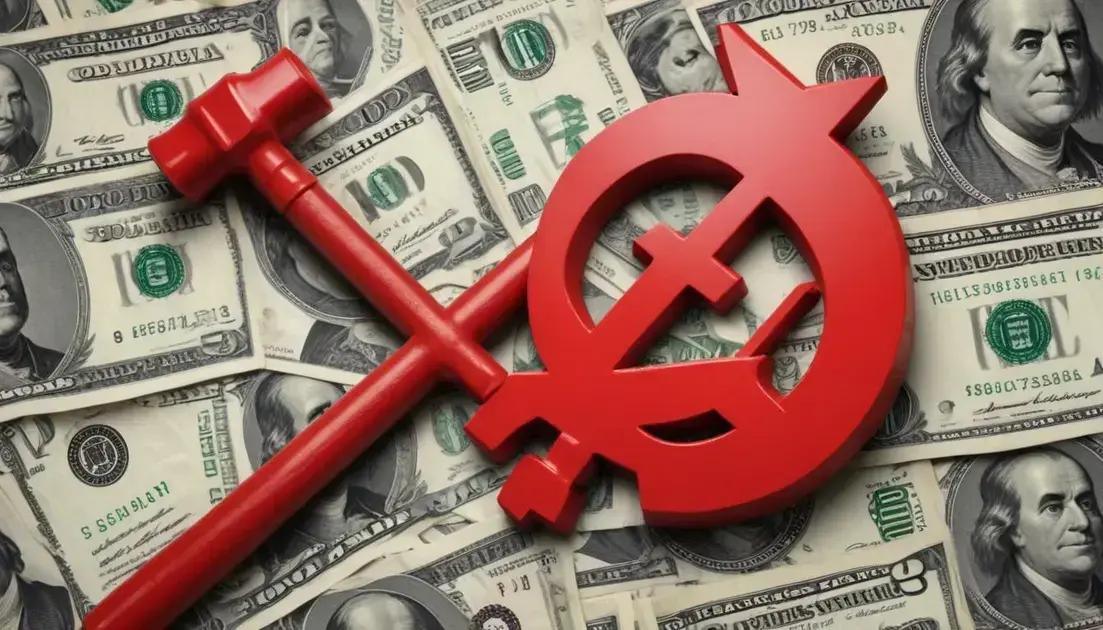
During the Cold War, two main economic systems clashed: capitalism and communism. Each system shaped the countries involved in unique ways. Understanding these differences helps us see why conflicts arose.
Capitalism’s Strengths
In capitalist nations, businesses are mostly privately owned. People can start companies and compete freely. This system encourages innovation and growth. For many, it leads to a higher standard of living.
Communism’s Approach
Communism, on the other hand, aims for equal wealth distribution. The government controls most resources and industries. While this can reduce inequality, it often limits personal freedom and competition.
Economic Rivalry
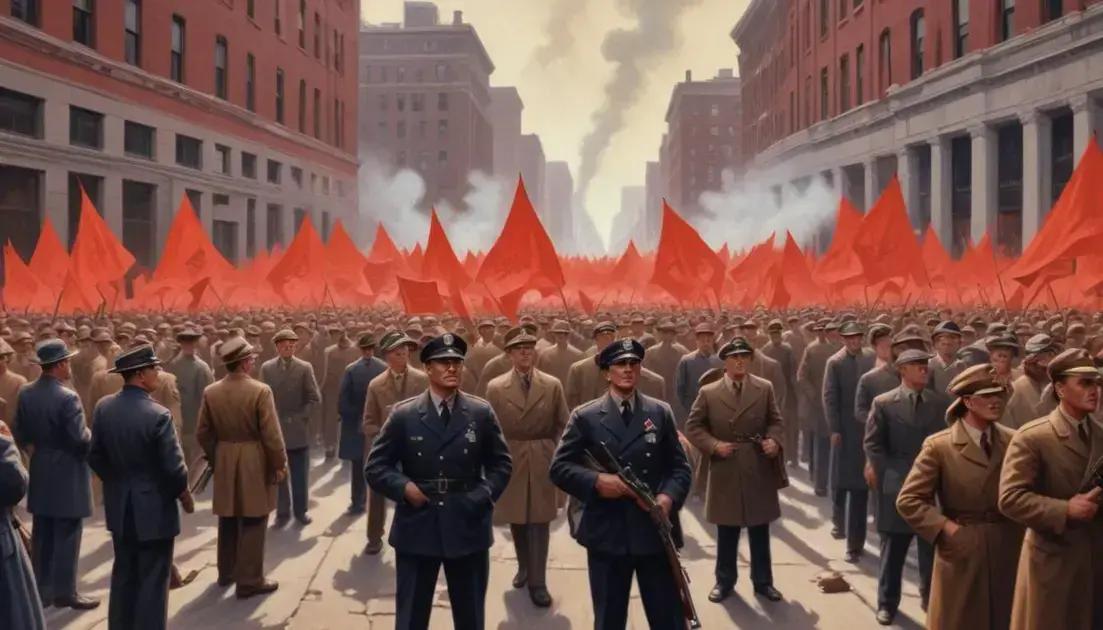
The rivalry between these systems fueled tensions during the Cold War. Each side believed their approach was best. They used propaganda to promote their beliefs and discredit the other.
Effects on Daily Life
People living in these systems experienced different daily lives. In capitalist countries, people had more choices regarding work and goods. In communist countries, people often faced shortages but had access to basic needs.
Today, the impacts of these economic systems still exist. Many countries blend elements of both, trying to balance freedom and equality.
Cultural Impacts
The Cold War greatly influenced culture around the world. This period saw a battle of ideas, values, and lifestyles. Art, music, and literature reflected people’s feelings and fears during this time.
Artistic Expression
Artists often used their work to comment on the Cold War. Paintings and sculptures showed the struggle between capitalism and communism. Many artists felt pressure from the governments of their countries.
Music of the Era
Music also played a key role in expressing cultural sentiments. Protest songs rose in popularity, highlighting dissent and hope. Artists like Bob Dylan and Joan Baez used music to speak out against war and promote peace.
Literature’s Role
Writers explored themes of conflict and human experience. Books about espionage, fear, and societal issues became bestsellers. Works like George Orwell’s “1984” offered deep insights into totalitarianism and its effects on freedom.
Media and Propaganda
The media was a vital tool during the Cold War. Both sides used films, articles, and broadcasts to promote their values. Propaganda depicted the enemy in a dark light and highlighted the strengths of their own side.
Overall, the cultural impacts of the Cold War are still felt today. They shaped how we view freedom, rights, and global relations.
Ongoing Political Influence
The Cold War has left a lasting mark on global politics. Its effects are visible in today’s international relations. Many countries still feel the impact of the decisions made during that time.
Modern Alliances
After the Cold War, new political alliances formed. Countries chose sides based on economic and military interests. These alliances continue to shape policies and strategies worldwide.
Military Influence
Military strategies from the Cold War still influence modern defense policies. Nations continue to focus on deterrence and containment. This approach often centers on managing tensions between rival states.
Democracy vs. Authoritarianism
Many countries still grapple with the balance between democracy and authoritarianism. The Cold War era brought attention to these differing political systems. Today, debates continue over the best path for governance.
Impact on International Organizations
Organizations like the United Nations were affected by the Cold War. Big powers often used these platforms for political gain. This practice shapes how countries interact on global issues today.
Regions influenced by Cold War politics often face ongoing conflicts. Understanding this background is essential to grasp current events and the larger geopolitical landscape.
Conclusion: Who Truly Won?
Deciding who truly won the Cold War is complex. Different people and countries have different views based on their experiences. Economically, both sides had their successes and failures.
Capitalism’s Influence
Many argue that capitalism emerged as a clear winner. The end of the Cold War led to a rise in free markets. Countries like China also adapted capitalism while maintaining a communist government.
Communism’s Legacy
On the other hand, communism still impacts several nations today. Countries like Cuba and North Korea continue to follow communist principles. They argue that their systems protect social welfare.
Global Perspectives
People in different nations see the outcomes through their lenses. Some celebrate capitalism’s freedoms. Others feel nostalgia for the stability offered by communism.
Current Conflicts
Modern conflicts often echo Cold War tensions. Issues such as national security and economic competition continue to influence global relations.
Ultimately, the question of who won remains open. The Cold War’s legacy shapes our world today, and its lessons will influence future generations.
Conclusion
In conclusion, the Cold War had a huge impact on our world today. It shaped many aspects of society, from politics to culture. The fight between capitalism and communism still influences how countries interact.
While some may see capitalism as the clear winner, others hold on to the ideals of communism. Each system has its pros and cons, and people will have their own views.
Understanding the effects of the Cold War helps us make sense of current events. It reminds us that history continues to influence our future. By learning from the past, we can work towards a better world for everyone.
Tags: