The CIA’s secret wars in Latin America
The influence of the U.S. in Latin America has significantly shaped political, economic, and social landscapes. Interventions often supported authoritarian regimes to curb communism, leading to military coups and widespread instability. Economic policies emphasized free markets, though many countries faced inequality as a result. Cultural impacts also resulted from the spread of American media and values, overshadowing local traditions. The lasting legacy of these actions still affects Latin American nations today, highlighting the importance of understanding this complex history for future relations.
Have you heard about the CIA Wars? These covert operations not only altered the course of nations but also shaped a whole continent’s history. Let’s dive in!
Coups in Latin America
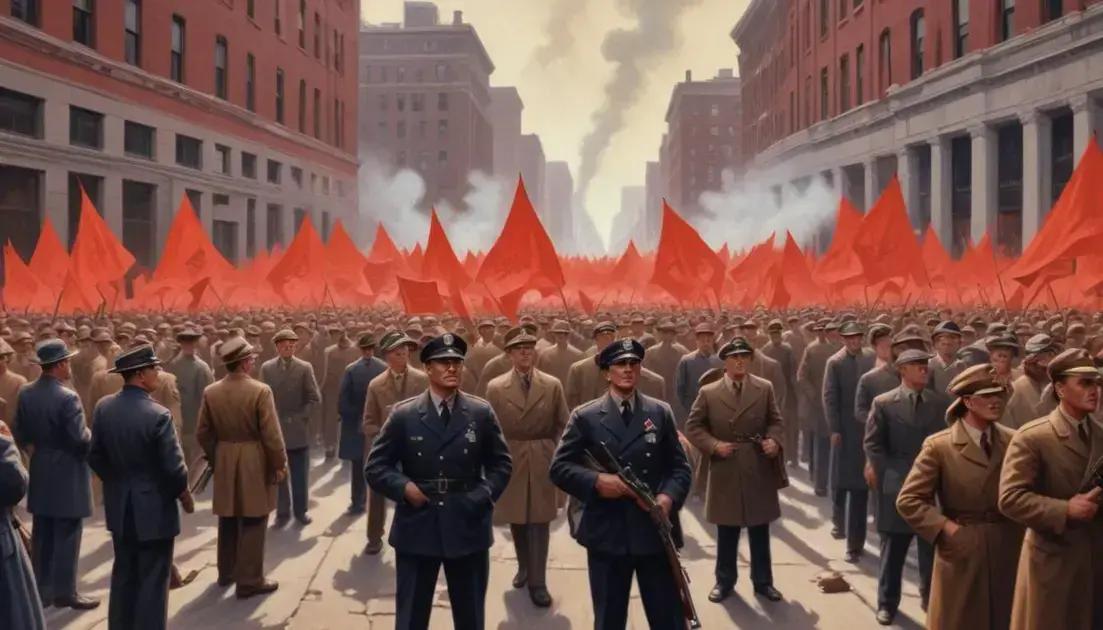
In the 20th century, coups in Latin America became a significant part of the political landscape. Many countries faced sudden changes in leadership that altered their paths forever. These coups often involved the U.S., supporting local military leaders to protect American interests.
Starting from the early 1900s, several nations saw their governments overthrown. For instance, in 1954, the U.S. helped orchestrate the coup in Guatemala. This move was aimed at removing a government that was seen as a threat to U.S. businesses.
Throughout the 1970s, Chile experienced a dramatic overhaul with General Augusto Pinochet taking control. His regime was backed by the U.S. after the overthrow of democratically elected President Salvador Allende. This period was marked by severe human rights violations.
These events were not isolated. Countries like Argentina and Brazil also experienced military coups, often under similar circumstances. The common thread in these situations was the U.S. role in supporting authoritarian leaders to fight against communism.
The impact of these coups was profound. They led to years of turmoil and suffering for many people. The scars of this history can still be seen today in the political and social fabric of the region.
Understanding U.S. Interests
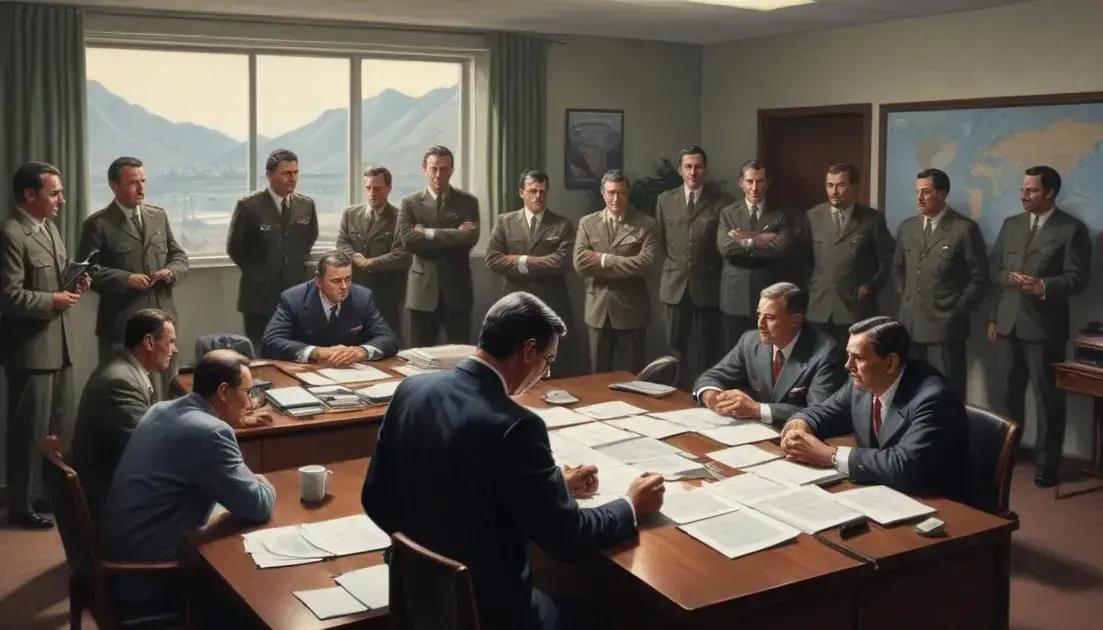
The United States often justified these interventions as necessary for stability in the region. However, many critics argue that the real goal was to maintain influence and control. By supporting certain regimes, the U.S. aimed to secure economic and military advantages.
It’s important to recognize the long-lasting effects of these actions. Many nations struggled to rebuild their political systems and recover from the aftermath of violence and oppression. This history calls for reflection and understanding of the consequences of foreign intervention in sovereign nations.
The role of ideology in U.S interventions
Ideology played a key role in U.S. interventions during the Cold War. The fight against communism drove many decisions made by U.S. leaders. They believed that stopping the spread of communism was crucial for global stability.
Fear of communism created a sense of urgency. U.S. officials often felt that they had to act quickly. They supported various regimes that promised to fight against leftist movements. This led to military support and funding for authoritarian governments.
Economic interests also influenced these decisions. Governments that aligned with U.S. values often received financial aid. This aid was meant to strengthen ties and ensure favorable conditions for American businesses.
For example, in Latin America, leaders like Manuel Noriega in Panama were initially seen as allies. They were anti-communist, which made them valuable to U.S. interests. The support came despite their authoritarian practices and human rights abuses.
U.S. ideology emphasized democracy, but the reality was often different. Many supported dictatorships to maintain control over resources and political power. This contradiction raises questions about the true motivations behind U.S. actions.
As a result, the interventions often created long-term problems. Countries faced instability and violence due to the U.S. backing of certain leaders. The legacy of these interventions is still felt today, shaping the political landscape of the region.
Impact of U.S influence on Latin American countries
The impact of U.S. influence on Latin American countries is profound and complex. Many nations have felt the effects of American policies for decades. This influence shaped politics, economies, and social structures.
One major effect is the rise of military regimes. U.S. support often helped authoritarian leaders stay in power. These leaders were seen as bulwarks against communism, even when they violated human rights.
Economic policies also played a significant role. The U.S. pushed for free-market reforms. While some countries experienced growth, many faced inequality and hardship. Wealth concentrated in the hands of a few while others struggled.
Furthermore, U.S. interventions created instability. Events like the coup in Chile in 1973 led to years of turmoil. People suffered as governments changed rapidly, leading to violence and repression.
The cultural influence is another aspect to consider. U.S. media and consumer culture spread throughout Latin America. This often overshadowed local traditions and values, leading to a cultural clash.
Today, the legacy of U.S. influence remains. Many countries continue to deal with the repercussions of past actions. Understanding this history is crucial for future relations and development.
Conclusion
In conclusion, the impact of U.S. influence on Latin American countries is deep and lasting. From the rise of military regimes to economic policies, each action has shaped lives and futures. The legacy of these choices continues to affect politics, culture, and society today.
By understanding this history, we can learn valuable lessons. Recognizing both the positive and negative effects of foreign influence is important. It helps in building better relations and fostering growth for the future.
As we move forward, it’s essential to consider the voices of the people in these regions. Their experiences and perspectives must guide how we approach these complex issues. Ultimately, fostering respect and understanding will pave the way for more positive outcomes.