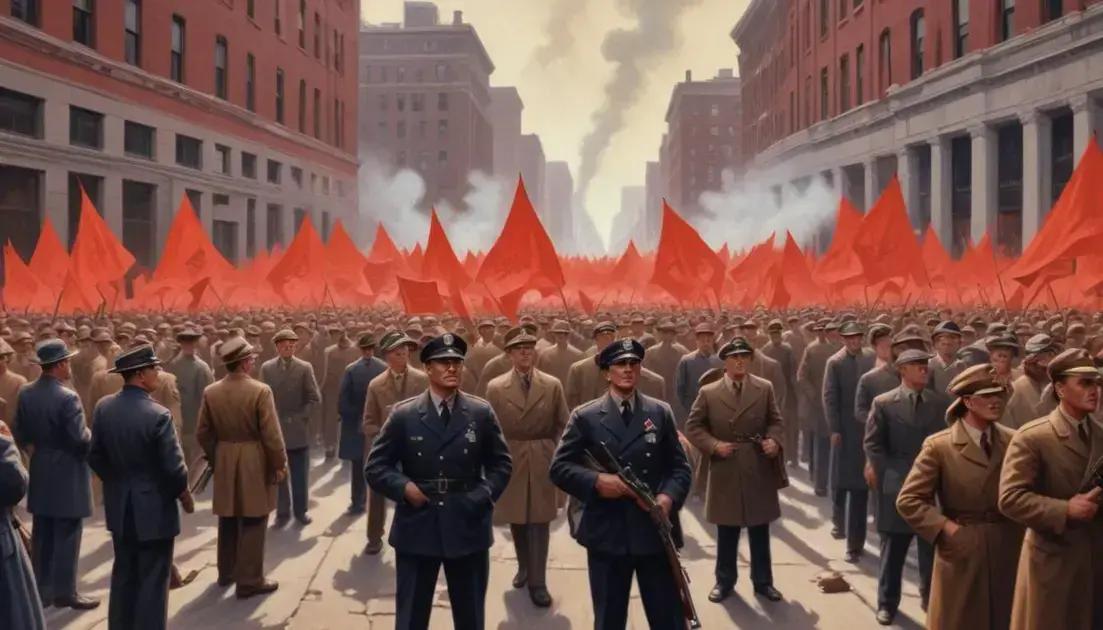
13 Days That Could Have Ended the World
The Cuban Missile Crisis of 1962 was a pivotal moment in history, showcasing the precarious nature of global relations during the Cold War. The crisis revealed the urgent need for communication and diplomacy to prevent nuclear conflict. Major players like President John F. Kennedy and Soviet Premier Nikita Khrushchev made critical decisions that averted disaster. Key takeaways include the importance of arms control, the value of international alliances, and careful risk assessment. These lessons continue to guide modern diplomatic efforts and emphasize that peace requires ongoing commitment and negotiation among nations.
In October 1962, during the Nuclear Threat of the Cuban Missile Crisis, the world teetered on the brink of destruction. This article explores those fateful days when peace hung by a thread.
The Cuban Missile Crisis Overview
The Cuban Missile Crisis was a tense 13-day period in October 1962. During this time, the world faced the threat of nuclear war. It all started when the United States discovered Soviet missiles in Cuba, just 90 miles from Florida.
This discovery shocked everyone. President John F. Kennedy had to act fast. He and his advisors debated how to respond. They knew a bad move could lead to a disaster. The stakes were high. This was a moment where peace was fragile.
Kennedy decided to impose a naval blockade around Cuba. He called it a “quarantine.” This meant no ships could bring supplies to Cuba. However, the Soviet Union, led by Nikita Khrushchev, was not pleased. They saw this as a major threat.
As tensions rose, both sides prepared for the worst. The U.S. military went on high alert. Many feared a nuclear conflict was imminent. The world watched closely as events unfolded.
Negotiations began as both sides sought a way out. After days of back and forth, they reached an agreement. The Soviet Union would remove its missiles from Cuba. In return, the U.S. promised not to invade Cuba and secretly agreed to remove missiles from Turkey.
This crisis showed how quickly things could escalate. Both superpowers learned the importance of communication. The world had come dangerously close to World War III, but in the end, diplomacy prevailed.
Key Events During the Crisis
During the Cuban Missile Crisis, several key events shaped the outcome. Each moment added to the tension between the United States and the Soviet Union.
The first major event occurred on October 16, 1962. American spy planes discovered Soviet missile sites in Cuba. This shocking news reached President John F. Kennedy, setting off alarm bells.
In response to this discovery, Kennedy called for immediate meetings with his advisors. They formed a group known as the Executive Committee, or ExComm. This team aimed to discuss options and the best course of action.
On October 22, Kennedy addressed the nation. He announced the missile sites and declared a naval blockade around Cuba. He made it clear that any missile launched from Cuba would be seen as an attack. This raised the stakes significantly.
The world held its breath as Soviet ships headed toward Cuba. Would they challenge the blockade? Thankfully, they stopped at the last minute. This was a crucial turning point in the crisis.
As negotiations continued, Kennedy and Soviet leader Nikita Khrushchev exchanged letters. Both leaders worked hard to find a peaceful solution amidst growing fears of nuclear war.
On October 28, the crisis saw a breakthrough. Khrushchev announced the removal of Soviet missiles from Cuba. In return, Kennedy promised not to invade Cuba. This moment brought immense relief to people worldwide.
Major Players and Their Decisions
During the Cuban Missile Crisis, several major players influenced the course of events. Their decisions were crucial in determining the outcome.
President John F. Kennedy was at the center of the crisis. He faced enormous pressure to respond decisively to the Soviet threat. Kennedy wanted to avoid war but also needed to protect the U.S. When he discovered the missiles, he called for a strong approach. This led to the naval blockade of Cuba.
Soviet Premier Nikita Khrushchev was also a key figure. He made the bold decision to place missiles in Cuba. His aim was to strengthen the Soviet position against the U.S. However, he faced a tough choice during the crisis. Should he back down or escalate the situation further?
Both leaders communicated through letters and public statements. They tried to gauge each other’s intentions. Tension was high, and any misstep could lead to disaster.
Another important player was Chairman of the Joint Chiefs of Staff, General Maxwell Taylor. He advised Kennedy on military options. While some favored a military strike, Kennedy chose the blockade approach instead. This decision was pivotal in avoiding a military confrontation.
International reaction also played a role. Latin American countries were concerned about the crisis, while allies like Britain supported the U.S. This global pressure added to the complexity of decisions.
Ultimately, the decisions made by these major players helped steer the world away from nuclear war. Their willingness to seek a diplomatic solution proved essential.
Global Impact of the Standoff
The Cuban Missile Crisis had a huge global impact. It changed how countries viewed nuclear power and international relations.
First, the crisis raised fears about nuclear war. People around the world worried that tensions could lead to disaster. News coverage highlighted the dangers. This heightened awareness made many nations reconsider their nuclear policies.
Another major effect was the push for arms control. After the crisis, leaders sought ways to prevent future conflicts. The U.S. and the Soviet Union agreed to talks on limiting nuclear weapons. This led to treaties aimed at reducing arms and increasing communication.
Countries in Latin America felt the impact as well. Many nations wanted to avoid getting caught in U.S.-Soviet conflicts. This pushed them to promote non-alignment. They sought to keep their sovereignty and avoid foreign domination.
Allies of the U.S., like Western European countries, also took notice. They worried about their safety if tensions escalated. This prompted discussions on military cooperation and shared strategies within NATO.
In Asia, the crisis affected U.S.-China relations. China watched closely as the U.S. and the Soviet Union squared off. This prompted China to strengthen its own military position. The crisis showed that the world was facing a new, more dangerous balance of power.
Overall, the Cuban Missile Crisis reshaped global politics. It highlighted the need for better communication and diplomacy to avoid future conflicts. Nations learned that maintaining peace required careful navigation.
Lessons Learned From 1962
The Cuban Missile Crisis of 1962 taught the world many important lessons. These lessons still resonate today in international relations.
One major lesson was the importance of communication. During the crisis, both the U.S. and the Soviet Union faced high tensions. Timely discussions helped prevent misunderstandings that could lead to disaster.
Another key takeaway was the need for diplomacy. Military options seemed tempting, but leaders realized peace was essential. They learned that negotiations could avert war, even under immense pressure.
Countries recognized the dangers of nuclear weapons. The crisis highlighted how quickly things could escalate. It underscored the importance of arms control and international frameworks to manage nuclear threats.
The event also showed the value of having strong allies. The support from NATO partners helped the U.S. navigate the situation. This reinforced the importance of alliances in global security.
Additionally, leaders learned to assess risks more carefully. The balance between aggression and caution became clear. A hasty decision could lead to severe consequences for all.
Finally, the crisis reminded everyone of the human cost of war. Both leaders knew that millions could suffer if conflict erupted. This awareness helped guide decisions toward peaceful resolutions.
Conclusion
In conclusion, the Cuban Missile Crisis of 1962 serves as a powerful reminder of the fragility of peace. The lessons learned from those tense 13 days emphasize the importance of communication and diplomacy to prevent conflict. Understanding the dangers of nuclear weapons pushed nations to consider arms control seriously.
Additionally, the crisis highlighted the value of strong alliances and careful risk assessment in global affairs. Leaders realized that quick decisions could lead to dire consequences for everyone involved. Ultimately, these lessons remind us that peace is not just an absence of war; it requires continuous effort and understanding among nations.