The Arctic: the frozen battlefield of the Cold War
The Cold War significantly shaped Arctic strategies, impacting military presence, climate change, and diplomatic relations in the region. While countries like the U.S. and Russia maintain a strong military presence, advancements in technology and environmental concerns continue to influence their actions. Ongoing dialogues must also include Indigenous communities, highlighting their rights as nations compete for resources in a warming Arctic. Understanding these dynamics today is essential for navigating future challenges and opportunities in this crucial area of geopolitical interest.
Welcome to exploring the frigid expanse of the Cold War, where beneath the ice lay submarines steeped in secrets and tension. Have you ever wondered what happens when geopolitics collides with the frigid Arctic? Let’s dive in!
Cold War Strategies in the Arctic
The Cold War in the Arctic was a key part of the tension between superpowers. Both the United States and the Soviet Union used the remote, icy landscape for their strategies. They wanted control over sea routes and resources.
The Importance of the Arctic
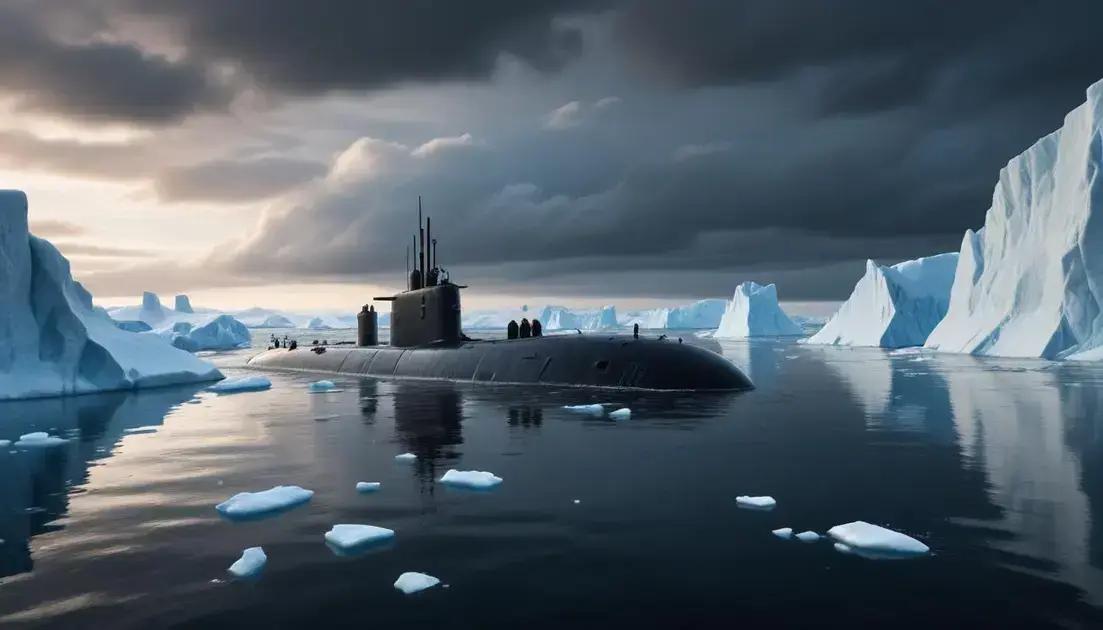
The Arctic offered a strategic advantage. Submarines could hide under the ice, making it hard for enemies to track them. This secrecy was crucial during the Cold War. The region became a silent battlefield for naval power.
Military Exercises and Operations
Both sides conducted military exercises to test their readiness. These maneuvers often included submarine drills and air patrols. The Arctic was the perfect place for these tests due to its challenging conditions.
Technological Advances
During the Cold War, technology played a big role. New submarines were built to operate under ice. These advances helped nations improve their military presence in the Arctic. This race for technology was intense and often secretive.
Many covert operations occurred in this frozen frontier. Intelligence gathering was a top priority. Airplanes often flew reconnaissance missions to gather vital information about enemy movements.
Long-lasting Effects
The strategies used in the Arctic during the Cold War affect us today. Ongoing military presence and territorial claims continue to shape global politics. It’s important to understand how these past strategies influence current events.
Learning about the Cold War strategies in the Arctic helps us grasp the complexities of international relations today. The lessons from this icy battleground are still relevant as nations vie for influence in the region.
The Role of Submarines
Submarines played a crucial role in the Cold War, especially in the Arctic. They allowed countries to carry out missions without being seen. Their stealth made them a key part of naval strategy.
Types of Submarines
There are two main types of submarines: attack submarines and ballistic missile submarines. Attack submarines target enemy ships and submarines, while ballistic missile submarines carry nuclear missiles. Both types were vital during the Cold War.
The Cold War Tensions
During the Cold War, submarines operated under thick ice. They could launch attacks while staying hidden. This gave nations a powerful advantage. It also created fear, as each side tried to outsmart the other.
Technological Advancements
The Cold War spurred many technological advancements in submarines. Improvements included better sonar and stealth technology. These upgrades made submarines quieter and harder to detect. New materials also helped them withstand pressure underwater.
Operations Under the Ice
Operating under ice was challenging but necessary. Submarines would navigate through frozen waters, looking for information on rivals. This required special training and skills. Crews had to adapt to harsh conditions and limited visibility.
The presence of submarines shaped naval strategies, as nations focused on gaining control of the Arctic. Today, their legacy continues, as modern submarines still use similar tactics and technologies.
Significant Events in Arctic Warfare
During the Cold War, several significant events shaped Arctic warfare. These events highlighted the strategic importance of the region. Each incident reinforced the military goals of both the United States and the Soviet Union.
The Thule Air Base Incident
In 1957, the Thule Air Base in Greenland became crucial. It served as a key U.S. military base for monitoring Soviet activity. The base helped track missiles and submarines in the Arctic. This increased tensions between the two superpowers.
The Polar Sea Incident
In 1980, the USS Nautilus made headlines by surfacing under the North Pole. This was a remarkable feat and showed U.S. naval power. It took place during a time of increased competition. The mission aimed to demonstrate U.S. capabilities in Arctic waters.
Operation Starfire
Another important event was Operation Starfire in 1983. It involved naval exercises in the Arctic. Both sides tested their readiness and gathered intelligence. This operation served as a clear message about military strength.
Environmental Challenges
Events in Arctic warfare were not just about military might. They also raised awareness of environmental challenges. Activities like testing and patrols affected the fragile Arctic ecosystem. Both nations faced pressure to find a balance.
These significant events in Arctic warfare continue to influence military strategies today. Understanding them sheds light on how past actions shape current affairs.
Ongoing Implications Today
The Cold War left many ongoing implications for today’s world. The Arctic continues to be a region of interest for military and economic reasons. Many countries still compete for control over Arctic resources and shipping routes.
Military Presence
Countries like the U.S. and Russia maintain a strong military presence in the Arctic. They conduct regular exercises to showcase their power. This ongoing focus creates tensions and concerns about international security.
Climate Change Effects
Climate change is another important factor. The Arctic is warming faster than other regions. Melting ice opens new shipping routes and resource exploration. This has led to increased competition among nations.
Diplomatic Relations
The decisions made during the Cold War still affect diplomatic relations today. Many treaties were signed to limit military buildup in the Arctic. These agreements help to manage tensions, but they are often tested.
Indigenous Peoples
Ongoing discussions also involve Indigenous peoples in the Arctic. Their rights and needs must be considered as nations look to expand. Recognizing these communities is crucial for balanced development in the region.
Understanding the effects of the Cold War helps contextualize current events. The Arctic remains a key area to watch as nations vie for influence.
Conclusion
In conclusion, understanding the Cold War’s impact on today’s Arctic is crucial. Military presence, climate change, and diplomatic relations all play key roles in shaping the region. As countries compete for resources and control, the Arctic remains a focal point of tension and opportunity.
Recognizing the rights of Indigenous peoples is also vital. Their voices and needs must be part of the conversation about the Arctic’s future. By considering these factors, we can better navigate the complexities of the Arctic and ensure a balanced approach to development. Ultimately, the lessons from history guide us as we look toward a shared future in this important region.
Tags: