The Cold War on screen: truth, fiction, and fear
Cold War films significantly influenced cinema by blending fact and fiction, establishing themes of paranoia and fear. These movies shaped public perception about espionage and the government’s role during a tense historical period. They continue to inspire modern filmmakers, sparking discussions on trust and societal anxieties, while leaving a lasting cultural legacy.
Cold War movies have not only mirrored history but also influenced our worldview. Discover how these films reflect our fears and hopes!
Movies reflecting Cold War themes
Cold War themes have had a significant impact on movies over the years. These films often show the tension and fear of the nuclear age. Many directors used storytelling to express how people felt during this period.
Understanding Cold War Movies
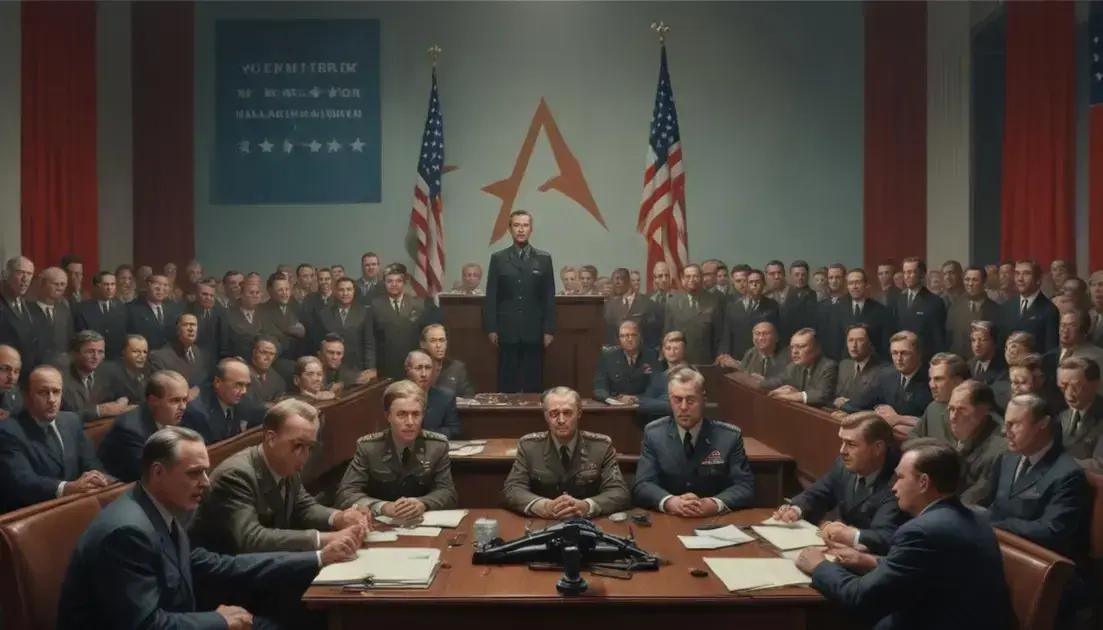
Cold War movies usually focus on espionage, government secrets, and the struggle between superpowers. Films like Dr. Strangelove and The Spy Who Came in from the Cold are perfect examples. They highlight the paranoia of the time while keeping the audience engaged.
Impact on Society
These films shaped public perception. They often made the fear of the unknown more relatable. People could see their worries reflected on screen. It stirred discussions around trust, loyalty, and betrayal.
Cultural Significance
Movies were a way to process the reality of the Cold War. They served as a mirror to society, capturing the mood and anxiety of millions. Some films even inspired protests and movements.
Film Techniques
Filmmakers used various techniques to convey tension and fear. Dark lighting, suspenseful music, and gripping narratives were common. These elements drew viewers in, making them feel the characters’ struggles.
The role of paranoia in film
Paranoia has played a huge role in Cold War films. These movies often show characters dealing with fear and uncertainty. The threat of nuclear war hung over everyone, making paranoia a powerful theme.
How Paranoia Shapes Characters
In these films, characters often struggle with trust issues. They worry about who might be a spy or a traitor. Movies like The Manchurian Candidate explore these fears deeply. The tension keeps audiences on the edge of their seats.
Creating a Tense Atmosphere
Filmmakers use different techniques to evoke paranoia. Dark scenes and eerie music can heighten feelings of suspense. Quick cuts and unexpected twists make viewers second-guess what they see.
Reflections of Society
Paranoia in film reflects real-life fears. During the Cold War, people were anxious about government secrets and hidden agendas. These films gave voice to those fears, helping audiences process their feelings.
Impact on Audience Perception
Movies filled with paranoia often changed how viewers see the world. They challenged people to think critically about trust and truth. This made Cold War films not just entertaining but also thought-provoking.
Impact on public perception
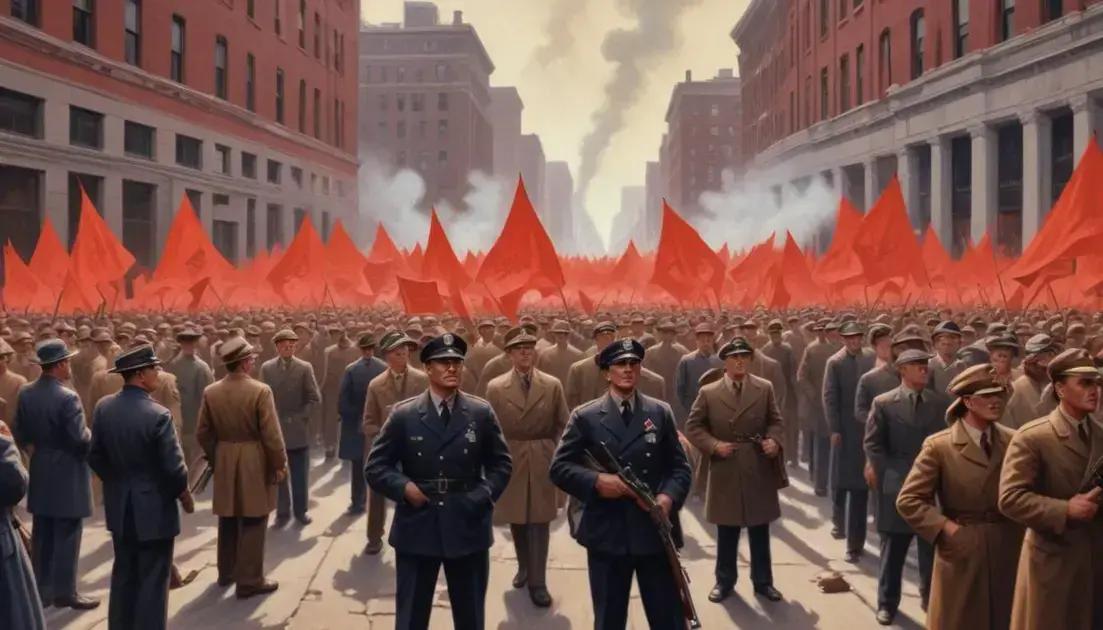
The impact of Cold War movies on public perception is significant. These films shaped how people viewed their world. They highlighted fears surrounding communism and espionage.
Changing Attitudes
Cold War films often made the enemy seem closer than ever. This heightened fear and suspicion in everyday life. People began to see spies everywhere, even in their neighborhoods.
Media Influence
Movies influenced news and media coverage of international events. Dramatic portrayals made crises seem more urgent. Audiences often reacted with fear or support for strong government actions.
Creating Awareness
Films served as a way to raise awareness about nuclear dangers. They opened discussions at home about safety and government accountability. This made people more engaged with current events.
Legacy of Trust Issues
Cold War films left a lasting legacy on trust. Viewers often questioned government decisions. This led to increased skepticism about the truth in media and politics.
Fact vs. fiction in Cold War cinema
In Cold War cinema, the line between fact and fiction is often blurred. Many films took real events and twisted them for dramatic effect. This made for thrilling stories but can confuse viewers.
Real Events, Fictional Narratives
Movies like Bridge of Spies are based on true stories. However, some events may be dramatized for excitement. This can lead audiences to believe everything shown is true.
Exaggerated Character Portrayals
Often, characters in these films are extreme versions of real-life people. Spies might be depicted as superhumans with unbelievable skills. This can create unrealistic expectations about espionage and government roles.
Historical Context
While many films capture the spirit of the era, they may not be completely accurate. Historical context is essential for understanding the true events behind the stories. Viewers should research to separate fact from fiction.
The Role of Entertainment
Filmmakers aim to entertain, which can lead to creative liberties. The Cold War provided rich material for storytelling. This makes it a perfect setting for intense dramas, even if they aren’t always factual.
Legacy of Cold War films
The legacy of Cold War films is still felt today. These movies changed how filmmakers tell stories. They popularized themes of espionage, fear, and global conflict.
Influence on Modern Filmmaking
Many filmmakers draw inspiration from Cold War stories. Movies today often reflect similar tensions. The strategies used in these films are still effective in creating suspense.
Cultural References
Cold War films introduced iconic characters and phrases. Lines like, “The only thing we have to fear is fear itself” still resonate. These quotes are often referenced in pop culture.
Shaping Public Views
These films played a role in shaping public views about government and society. They often showed the consequences of paranoia and fear. This made audiences think critically about their world.
Revisiting the Cold War
New films continue to revisit Cold War themes. Recent productions explore the impact of that era on our lives today. This shows that the Cold War has a lasting relevance in our culture.
Conclusion
In conclusion, Cold War films have left a lasting mark on cinema and culture. They shaped how we view history, trust, and even ourselves. These films used suspense to engage audiences and address important themes of fear and paranoia.
As filmmakers continue to draw inspiration from this era, the legacy of these movies remains strong. Whether through influence in modern storytelling or cultural references, Cold War films continue to resonate. They remind us of the power of cinema to reflect our world and shape public perception.
Tags: