Human Rights in the Era of Technology and Terror
Human rights perspectives differ globally, shaped by cultural and historical contexts. Nations prioritize individual freedoms, community rights, or security measures, which can sometimes restrict civil liberties. Engaging in open dialogue about these issues promotes understanding and helps find a balance between security and freedom, ensuring everyone’s rights are respected in a diverse world.
In today’s world, Human Rights have become more crucial than ever, especially as we navigate through technology and terror. How do we strike a balance?
Understanding the Human Rights Landscape
Understanding the Human Rights landscape is crucial in today’s world. It involves recognizing the rights that everyone should have, no matter their background. These rights include freedom of speech, the right to privacy, and the right to a fair trial. They are essential for a just society.
What Are Human Rights?
Human rights are basic rights that belong to every person. They are in place to protect individuals from abuse and injustice. For instance, these rights ensure you can express your opinions freely without fear.
The Importance of Human Rights
Human rights create a framework for equality and dignity. They help prevent discrimination and keep governments accountable. When people understand their rights, they can stand up against violations.
Global Perspectives on Human Rights
Different countries view human rights in various ways. Some prioritize freedom over security, while others may focus on collective rights. This variation shapes how rights are protected worldwide.
In regions plagued by conflict or tyranny, individuals often face severe restrictions. Understanding these dynamics helps us support human rights efforts globally.
The Impact of Technology on Privacy
Technology greatly affects our privacy. Today, many tools help us connect and share information easily. But this convenience often comes with risks. Personal data can be exposed or misused without our knowledge.
The Rise of Surveillance
Many devices, like smartphones and smart cameras, collect data about us. Sometimes, they gather more information than necessary. This can feel like being watched all the time.
Data Privacy Issues
Companies often collect data to improve their services. However, they may not always protect it well. Data breaches can expose sensitive information, leading to identity theft.
Balancing Benefits and Risks
While technology offers many advantages, we need to be cautious. It’s important to understand what data we share and with whom. Always read privacy policies to know your rights.
Taking steps to protect your privacy online can make a big difference. Using strong passwords and being careful about what you post is smart.
Terrorism and Civil Liberties
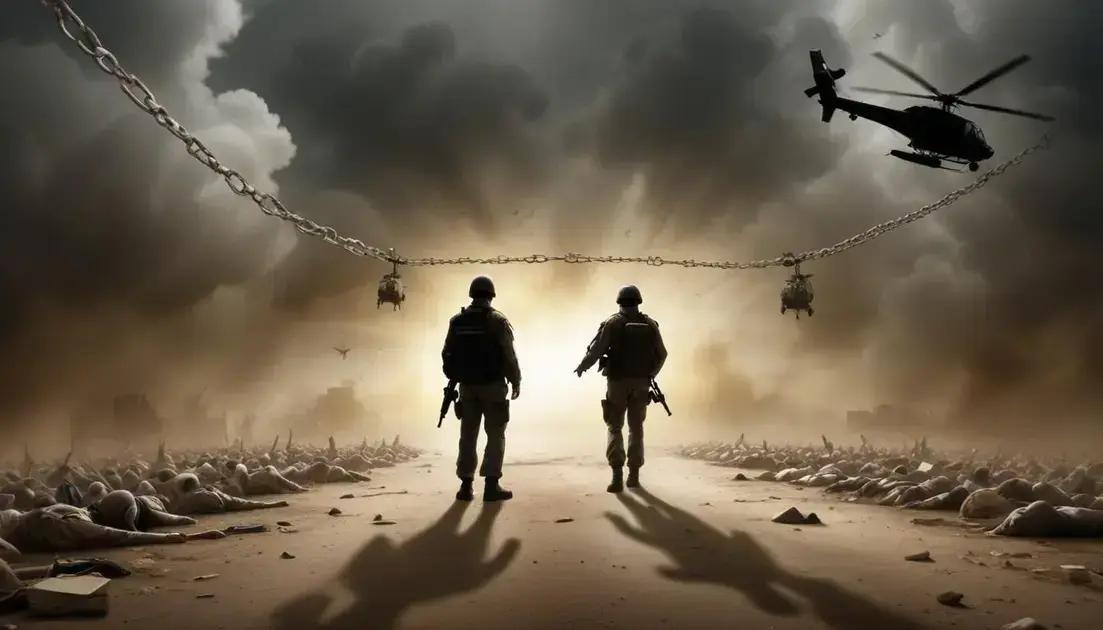
Terrorism poses a major threat to society, but it also affects our civil liberties. When terrorist acts occur, governments often take action to protect citizens. However, these actions can limit our freedoms.
The Balance Between Security and Freedom
After a terrorist attack, many nations increase surveillance and security measures. These protections can help keep people safe, but they might also invade our privacy.
Understanding Civil Liberties
Civil liberties are the personal freedoms we all have. These include the right to speak freely and to move about without restriction. When governments pass new laws in response to terrorism, some of these freedoms can be restricted.
Examples of Restrictions
In some cases, laws allow police to search a person’s property without a warrant. While this can help catch terrorists, it also raises concerns about abuse of power.
People may feel less safe knowing the government is monitoring their activities. It’s essential to have discussions about how to protect both safety and freedom.
Balancing Security and Freedom
Balancing security and freedom is a major challenge today. Everyone wants to feel safe, but we also value our personal liberties. Striking the right balance is key for a healthy society.
The Need for Security
Safety measures are vital to protect citizens from threats. Many governments take action after terrorist attacks to prevent future incidents. These steps can include increased surveillance and public safety protocols.
Impacts on Freedom
However, these security measures can sometimes limit our freedoms. For example, people may feel they are being watched constantly. This can make them hesitant to express themselves freely.
Finding Common Ground
To balance security and freedom, open conversations are essential. Citizens should engage with lawmakers about what safety means to them. Protecting rights while ensuring safety is a shared responsibility.
Policies should be transparent to build public trust. When people understand why certain measures are in place, they may feel more secure. Flexibility and accountability are vital in this ongoing process.
Global Perspectives on Human Rights
Global perspectives on human rights vary greatly across different countries. Each nation has unique histories, cultures, and values that shape their views on rights. Understanding these differences is important.
Diverse Definitions of Rights
In some countries, rights focus on individual freedoms. For example, many Western nations emphasize free speech and personal choices. In contrast, other regions may stress community rights over personal freedoms.
Influence of Culture and History
Cultural background plays a big role in how rights are perceived. Nations with histories of conflict may prioritize security over liberties. This can lead to stricter laws and regulations.
International Agreements
Many countries are part of international treaties that aim to protect human rights. However, not all nations follow these agreements closely. This creates gaps in how rights are upheld around the world.
Understanding global perspectives helps promote better dialogue on human rights. It encourages compassion and respect for different views. Everyone can learn from each other in the fight for equality and justice.
Conclusion
In conclusion, understanding the balance between human rights, security, and freedom is essential in today’s world. Every nation has its own way of viewing rights, influenced by culture and history. This diversity can lead to different approaches in protecting individuals.
As we face challenges related to technology and terrorism, it’s important to protect our civil liberties. Engaging in open discussions about these issues can help us find common ground. Together, we can work towards a future where everyone’s rights are respected and upheld, allowing for safety and freedom to coexist.