Growing up under the shadow of the bomb
The impact of the Cold War on childhood is significant, shaping resilience and creativity in children. Many youngsters turned to art and storytelling to express their emotions amidst fear and uncertainty. Peace education and community support played vital roles in helping them navigate these challenges. By gaining a global perspective on peace, we learn the importance of understanding diverse cultural views and fostering empathy. Ultimately, these experiences remind us of the strength found in creativity, community, and the pursuit of a peaceful future.
What does it mean to grow up during a time of conflict? In the context of the **Cold War**, many children learned about missiles before they even knew the meaning of peace. This stark reality shaped their perspectives and futures. Let’s delve deeper into what this childhood experience was like.
Understanding Cold War childhoods
Growing up during the Cold War was tough for many kids. They learned about war through games and stories. Instead of just playing, they were often reminded of real dangers. It wasn’t just about fun; fears hid behind every corner.
Life in a Divided World
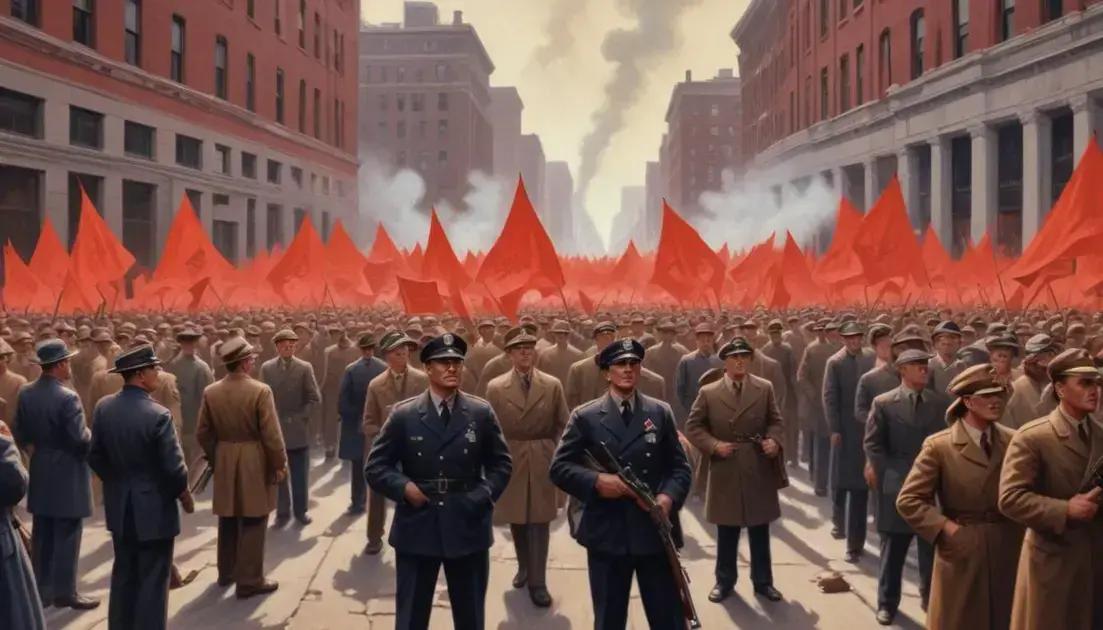
The world was split into two. On one side, you had the United States, and on the other, the Soviet Union. This division shaped every child’s life. Some kids had to practice what to do in case of an attack. They heard about missiles and saw them in movies.
Art as Expression
Many children used art to share their feelings. Drawing became a way to show fear and hope. Kids created images of bombs, but they also drew doves. It was a mix of innocence and a craving for peace. This art provided a voice when words were hard to find.
Fears of the Unknown
Every child has worries, but Cold War kids had unique fears. Instead of typical worries, they feared what might come from the sky. They often watched news stories that showed the threat of nuclear war. This constant stress affected how they played and viewed the world.
The Importance of Community
During these times, neighborhoods became havens. Families supported one another. They shared stories and fears. Kids played together, creating safe spaces amidst chaos. This bond helped them cope and form lasting friendships.
Lessons from Their Experience
Kids growing up during the Cold War taught us many lessons. They showed the importance of hope and resilience. Even in fear, they dreamed of peace. Their experiences remind us to cherish freedom and support each other in tough times.
Art as a reflection of war
Art has always reflected the feelings of its time. During the Cold War, kids used art to show their worries about conflict. They created drawings that expressed both fear and hope. For many, this was an outlet for emotions they couldn’t voice.
Drawing Dangers
Children often drew bombs and soldiers as part of their play. This helped them process what they heard from adults and on the news. The images they created reflected their understanding of a divided world.
Hopes for Peace
Alongside dangerous images, many kids drew peaceful symbols, like doves. These drawings showed their desire for harmony. It was a way for them to dream of a better future. Art became a way to cope with the stresses around them.
Community Art Projects
Communities sometimes held art projects to promote peace. Kids would come together to create murals with hopeful messages. These projects helped strengthen bonds among families and friends. They allowed kids to express collective hopes for a peaceful world.
Healing through Creativity
Creating art also helped kids heal. It gave them a chance to share feelings and connect. They could talk about their fears while working on a drawing. This process helped many kids to feel less alone.
Legacy of Cold War Art
The art created during this time left a lasting mark. Many pieces are now seen as historical documents. They remind us of the struggles faced by children during the Cold War. Each piece tells a story of resilience and hope.
Impact on peace education
The Cold War had a big impact on peace education for children. Schools started teaching kids about the importance of peace and conflict resolution. They learned to solve problems without fighting. These lessons shaped how kids viewed the world.
Peace Education Goals
The goal of peace education is to teach children how to respect others. It helps them understand different perspectives. Kids learn about kindness, cooperation, and the power of dialogue. This way, they can resolve issues without anger.
Classroom Activities
Teachers used fun activities to make peace education engaging. Role-playing, group discussions, and creative projects helped kids connect. They practiced peaceful communication through these interactive lessons. This not only made learning fun but also meaningful.
Community Involvement
Schools often worked with the community to promote peace. Local organizations held workshops and events. Kids could participate in peace rallies and cultural exchanges. These experiences taught them to appreciate diversity and work together.
The Role of Art
Art also played a crucial role in peace education. Kids created posters and murals with peaceful messages. This allowed them to express their thoughts and feelings creatively. Art made the concepts of peace and understanding come alive.
Long-Lasting Effects
The impact of peace education goes beyond the classroom. It helps build a foundation for future leaders. Kids who learn about peace grow up to be more compassionate adults. This contributes to a more peaceful society over time.
Personal stories of resilience
Personal stories of resilience from kids during the Cold War show true strength. Many young people faced challenges, yet they found ways to cope. Their experiences teach us how to overcome fear.
Facing Challenges
Children dealt with tough situations daily. They heard adults talk about threats and tensions. Despite this, many maintained a positive outlook. They learned to navigate fear by leaning on their friends and families.
Acts of Kindness
In tough times, kids showed kindness to each other. Simple acts, like sharing lunch or playing games, provided comfort. These gestures helped create a sense of community. Caring for one another made challenges easier to bear.
Creative Outlets
Many children turned to art and writing to express their feelings. Drawing or writing stories allowed them to let out their emotions. This creative process helped them process their fears and hopes.
Sharing Stories
As they grew up, many shared their stories. They talked about their childhood fears and how they overcame them. These shared experiences foster connection and understanding among others. Listening to these stories can inspire future generations.
Legacy of Resilience
The resilience shown by these young people has left a lasting impact. Their ability to find joy amid uncertainty is inspiring. They remind us of the strength found in community and creativity.
A global perspective on peace
Understanding peace requires a global perspective. Different cultures have unique views on what peace means. By learning from these perspectives, we can find common ground.
Cultural Definitions of Peace
In some cultures, peace is about harmony within the community. In others, it means justice and equality. These definitions help shape how people act in their lives. It’s important to explore these diverse ideas.
Global Movements for Peace
Many global movements focus on peace. Groups like the United Nations work hard to promote harmony worldwide. They aim to resolve conflicts through diplomacy. This means talking things out instead of fighting.
Local vs. Global Efforts
Local efforts for peace often tie into global movements. Community organizations work to build peaceful neighborhoods. These local actions can support larger goals on a worldwide scale. When communities unite, they create a stronger voice for peace.
Learning from Each Other
Listening to stories from around the world can provide valuable lessons. People share their experiences and strategies for achieving peace. By learning from each other, we can strengthen our efforts. Collaboration is key to creating a peaceful future.
The Role of Education
Education plays a big role in promoting peace globally. Schools teach kids about different cultures and their histories. This education helps build understanding and respect among people. Knowledge creates a foundation for lasting peace.
Conclusion
In conclusion, understanding the impacts of the Cold War on childhood gives us insight into resilience and hope. Children learned to find strength amid fear and uncertainty. Through art, storytelling, and community support, these kids shaped their futures despite challenges.
Learning about peace from a global perspective helps us appreciate different cultures. By promoting kindness and understanding, we can work together for a peaceful world. Education plays a vital role in this journey, teaching the values of respect and empathy.
As we reflect on these experiences, let’s remember the lessons they teach us about resilience, creativity, and the drive for peace. Together, we can build a better future for all.
Tags: