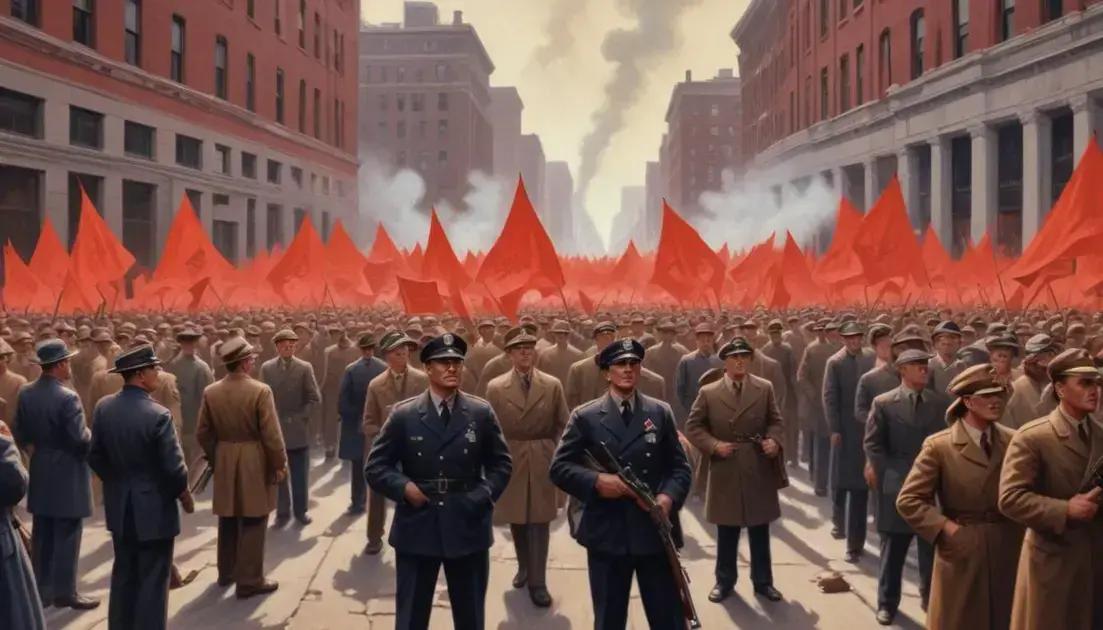
How television shaped the Cold War narrative
The influence of television during the Cold War significantly shaped public perception and understanding of the conflict. Iconic shows and real-time news broadcasts brought global events into homes, emphasizing the impact of media on society. Journalists played a critical role in presenting diverse narratives, fostering critical thinking among viewers. Lessons from this era remind us of the importance of questioning media and considering multiple perspectives when engaging with current events.
In the context of the Cold War, television emerged as a powerful tool, shaping public perception and narratives like never before. Curious about how it transformed history? Let’s dive in!
Introduction to Television’s Role in the Cold War
Television changed everything during the Cold War. It became the main way people got their news. News programs reached a lot of homes. Viewers saw events from around the world in real-time, making them feel closer to the action.
The Power of Visuals
Images can be more powerful than words. When people saw the Berlin Wall being built, they felt fear and confusion. The sights of protests and military parades made the conflict real. Television brought these moments into living rooms across the nation.
Shaping Public Opinion
Politicians understood the power of TV. They used it to influence how people felt about issues. Presidential speeches and debates were designed for maximum impact. Viewers paid close attention, shaping their opinions about the Cold War.
The Role of News Networks
News channels became trusted sources. Anchors reported on key events like the Cuban Missile Crisis. Their serious tones and urgent warnings kept viewers glued to their screens. The news shaped how people viewed the enemy.
Television not only informed the public but also stirred emotions. It played a huge role in how people understood the Cold War and their place in it.
The Art of Persuasion on Screen
The Cold War was more about ideas than just weapons. Television became a tool for persuasion. Programs used images and stories to influence viewers’ minds.
Crafting Compelling Narratives
Producers knew how to tell stories. They highlighted bravery and heroism. They also showed the dangers of the enemy. This made people feel strong emotions, good and bad.
Use of Propaganda
Propaganda filled TV screens. It aimed to convince audiences of certain beliefs. By showing interviews and documentaries, it shaped public opinion. Viewers saw only what the producers wanted them to see.
The Impact of Famous Advertisements
Advertisements also played a role. They often carried Cold War themes. Some aimed to boost morale, while others promoted fear. They connected everyday products to the struggle.
All these efforts focused on one goal: to shape how people thought. During the Cold War, television didn’t just entertain. It persuaded and influenced how millions viewed the world around them.
Iconic Shows and Their Impact
During the Cold War, certain shows became iconic. These programs reflected the fears and hopes of the time. They influenced how people understood the conflict and each other.
Popular Dramas that Shaped Views
Shows like “The Twilight Zone” explored themes of fear and the unknown. They made viewers question society and its values. Other dramas highlighted everyday life, but with Cold War undertones, allowing people to connect their experiences to larger issues.
News Programs and Reality
News broadcasts brought real-world events into homes. Programs like “CBS Evening News” reported on important issues. They informed the public about events like the Vietnam War. These broadcasts shaped opinions and emotions during a tense time.
Documentaries that Educated
Documentaries played a key role in the Cold War narrative. They explained military actions and political strategies. Many viewers learned about the conflict through these films. This helped people understand complex topics in a straightforward way.
These shows didn’t just entertain. They informed, educated, and shaped the culture of the time. The impact of these programs is still felt today, as they influenced future generations and their views on reality.
The News Media’s Influence
The news media played a huge role during the Cold War. It shaped how people saw the conflict. News reports brought events right into living rooms across America.
Breaking News and Real-Time Impact
When major events happened, people turned on their TV. They wanted to know what was going on. Breaking news reports created urgency. Viewers felt like they were part of the action.
The Role of Journalists
Journalists worked hard to get the facts. They traveled to war zones and covered protests. Their stories highlighted both human suffering and bravery. People connected with these reports on a personal level.
Visual Storytelling
Images from the news were powerful. Photographs and video clips showed the reality of war. Viewers saw the truth about the Cold War’s impact on real lives. This made the news even more compelling.
Media coverage didn’t just inform; it influenced attitudes. How news was reported could sway public opinion. The stories we saw shaped our understanding of the fight between the East and West.
Legacy and Lessons Learned
The Cold War left a lasting impact on society. Its influence can still be seen today. Television played a key role in shaping public views and attitudes.
Understanding Conflict Through Media
One major lesson learned is the power of media. TV brought global issues into our homes. This made it easier for people to understand complex topics.
The Role of Critical Thinking
Viewers learned to question what they saw on screen. Critical thinking became important. People needed to analyze news and entertainment for accuracy.
The Importance of Diverse Voices
The Cold War era also showed us the value of diverse voices. Different perspectives enriched the conversation. We realized that hearing all sides leads to better understanding.
Even today, these lessons shape how we consume media. The legacy of the Cold War reminds us to stay informed and aware. It encourages us to think critically about what we watch.
Conclusion
In conclusion, the Cold War and its portrayal on television taught us valuable lessons. The media’s power to influence public opinion is significant. We learned the importance of questioning what we see and hear. By using critical thinking, audiences can better navigate today’s information.
Moreover, the need for diverse voices reminds us that every perspective matters. By listening to different viewpoints, we gain a deeper understanding of complex issues. The legacy of the Cold War continues to shape how we consume media and engage with one another.
Overall, it’s essential to stay informed, think critically, and appreciate the varied narratives that enrich our world.
Tags: