The fall of communism: the day the red flag fell
The Fall of Communism reshaped Eastern Europe and marked a significant shift in global politics, leading to greater freedom and democracy. Key events included the rise of independence movements, Gorbachev’s reforms, and the symbolic fall of the Berlin Wall, all contributing to the Soviet Union’s collapse. As a result, nations reexamined their governance and international relations, impacting the global landscape for years to come.
On the day when the Soviet Union’s Fall of Communism became a reality, not only flags were coming down, but an entire world was shifting — are you ready to explore how this moment defined our present?
Introduction to the Fall of Communism
The Fall of Communism changed the world forever. This event happened mostly in Eastern Europe at the end of the 20th century. People were tired of strict rules and wanted freedom. They dreamed of a better life without government control.
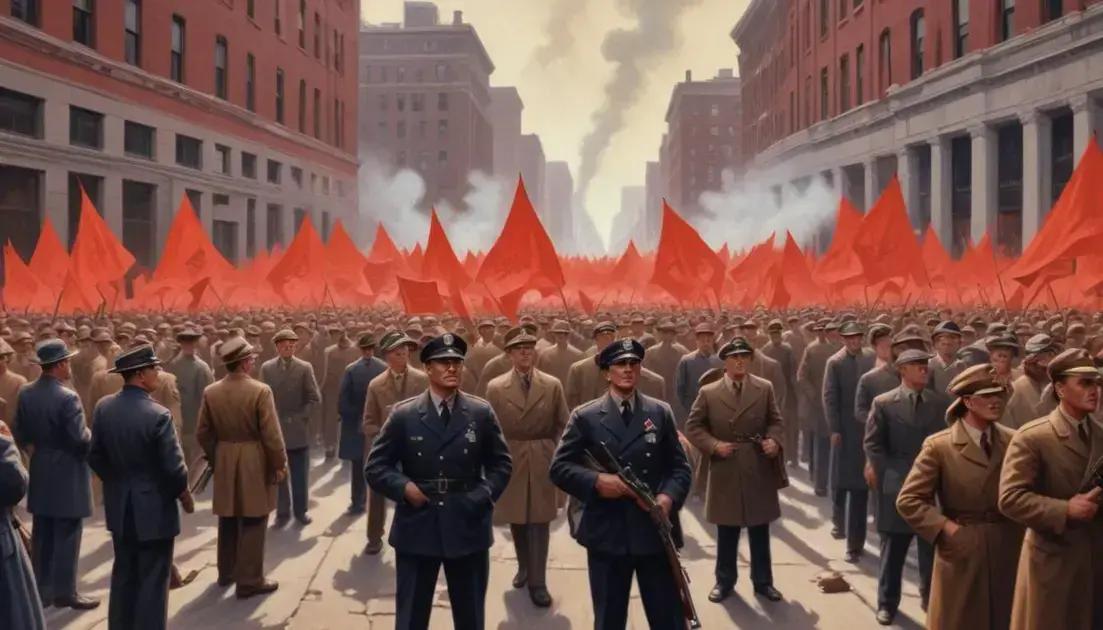
In many countries, people began to protest. They gathered in large groups and shouted for change. These movements showed that the will of the people could not be ignored. This was true in places like Poland, Hungary, and East Germany.
The Berlin Wall symbolizes this shift. When it fell, it marked the end of an era. Families were reunited, and hope filled the air. Many believed that democracy was on the way. The emotions of this time were intense and powerful.
This movement spread quickly. Soon, other countries felt inspired to follow. The Soviet Union faced major challenges as well. Leaders struggled to keep control. People wanted more than their government would allow.
This wave of change did not happen overnight. It took years of buildup and effort. The Fall of Communism remains a defining moment in history. Understanding it helps us see how far we’ve come and where we are headed.
Historical Context of the Soviet Union
The Soviet Union was formed in 1922 after the Russian Revolution. It was a time of great change, full of hope and uncertainty. The new government wanted to create a society based on equality and shared resources. However, things didn’t always go as planned.
The regime started to tighten control over daily life. People’s freedoms were limited. The government monitored what people did and said. Many did not agree with this new way of living. They longed for the days of personal choice.
As years passed, tensions grew. The Cold War began in the late 1940s. This was a struggle between the Soviet Union and Western countries, primarily the United States. Both sides raced for military power and influence. It created a sense of fear and uncertainty around the world.
Communism became a key feature of the Soviet Union. It promised prosperity, but many faced hardship instead. The economy struggled. Food shortages and long lines for basic goods were common. People often felt frustrated and trapped.
Over time, dissatisfaction led to movements against the government. Citizens started to demand change. They wanted more freedom and less control. This desire for change planted the seeds of the Fall of Communism.
Key Events Leading to the Collapse
Several key events led to the collapse of the Soviet Union. These moments shaped history and changed the world. One major event was the Gorbachev reforms in the 1980s. Mikhail Gorbachev introduced policies like glasnost (openness) and perestroika (restructuring). These ideas aimed to improve the system but started to show deep flaws.
Another critical moment was the rise of independence movements in various republics. Countries like Lithuania and Ukraine started to demand freedom. People wanted control over their own lives, not the government. This push for independence stirred unrest across the region.
Protests grew larger and louder. The Solidarity movement in Poland became a famous example. It showed how ordinary people could stand up against the government. Other nations took notice, and similar groups formed across Eastern Europe.
The fall of the Berlin Wall in 1989 was a shocking event. It symbolized the end of Communist power in Eastern Europe. When the wall came down, it sparked hopes and dreams for freedom in many countries.
As these events unfolded, the Soviet economy faced serious issues. Shortages of goods and inflation made life difficult. People grew tired of waiting for change. Ultimately, these key events led to the Fall of Communism and the Soviet Union’s collapse.
The Day the Red Flag Fell
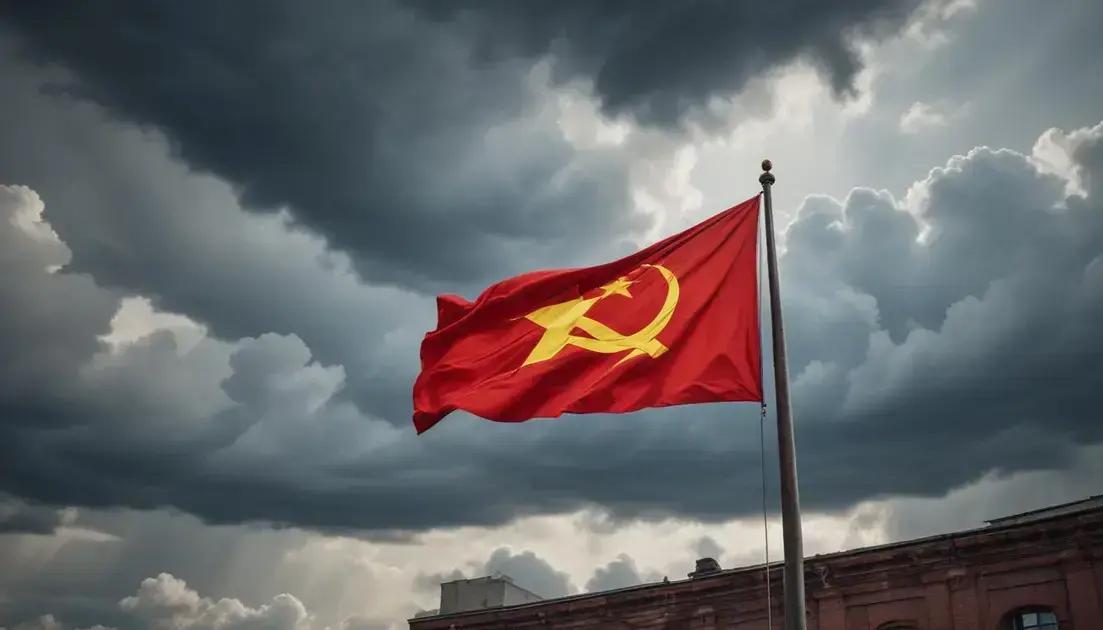
On the day the red flag fell, emotions ran high everywhere. It was more than just a flag coming down; it marked a new beginning for many people. This event happened on December 25, 1991. The Soviet Union was no longer in control.
When Mikhail Gorbachev announced the end of the Soviet state, it felt like a dream for many. Citizens celebrated in the streets, dancing and singing. They hoped for a brighter future filled with freedom and opportunities. This moment was a profound change.
Many people gathered in public squares, cheering for their new hope. The fall of the red flag was a symbol of their desire for change. People waved new flags, celebrating independence from years of strict rule.
The air was thick with excitement. Families reunited after years of separation, and friends shared stories of the past. It felt like the weight of the world had been lifted. Hopes were high, but challenges also lay ahead.
This day is remembered as a turning point. The fall of the red flag represented the end of an old era. It opened the door to democracy and new ideas. This historic moment changed the lives of millions.
Impact on Global Politics
The impact on global politics after the Fall of Communism was huge. Countries around the world felt the changes. Many nations began to rethink their own political systems. The end of the Soviet Union meant less tension between East and West, which was a relief for everyone.
Democracy started to spread in Eastern Europe. Countries like Poland and Hungary moved away from communism. People wanted free elections and human rights. This wave of change inspired others around the world to demand similar freedoms.
The United States became the leading power. With the fall of the Soviet Union, it faced fewer rivals. This led to the idea of a unipolar world, where one country had most of the influence. However, this also generated questions about power and control.
Other nations started to form new alliances. Events in Europe influenced countries in Asia, Africa, and Latin America. Leaders in those regions watched closely. They saw how democracy could bring change and hope.
Even global organizations changed after the fall. The United Nations aimed to promote peace more actively. Nations worked together to solve problems like poverty and conflict. The focus was on creating a better future for everyone.
The impact on global politics continues today. The fall of the Soviet Union reshaped alliances and rivalries worldwide. This historic moment set the stage for new international relations.
Reflections on the Cold War
The Cold War shaped much of the 20th century. It was a long period of tension between the United States and the Soviet Union. This rivalry was not just military; it was also about ideas, cultures, and economies.
During the Cold War, people lived with fear and uncertainty. Many worried about nuclear weapons and the possibility of war. The arms race created a sense of danger. Nations built more weapons to protect themselves, which added to the tension.
Propaganda played a big role in this conflict. Both sides used media to promote their beliefs. The U.S. pushed democracy and capitalism, while the Soviet Union supported communism. This battle of ideas influenced how people viewed the world.
The Cold War also led to various conflicts around the globe. Countries were often caught in the middle. For example, the Korean War and the Vietnam War were direct consequences of this struggle. These wars had lasting effects on those nations and their people.
As the Cold War came to an end, it left behind mixed feelings. Some celebrated the freedom that came with the fall of communism. Others worried about what the future would hold. The global landscape changed, and new challenges emerged.
Today, reflections on the Cold War help us understand current relationships between nations. The lessons learned continue to influence politics and global efforts for peace. This complex history remains relevant as we navigate our world.
Conclusion
In conclusion, the Fall of Communism and the events surrounding it have reshaped nations and influenced global politics. This time marked the end of strict controls and the beginning of new freedoms. People mobilized and fought for their rights, leading to a wave of democracy across Eastern Europe.
Reflections on the Cold War show us the challenges of that era. The competition between superpowers created fear but also sparked innovation and change. Today, we can learn a lot from these events as they guide our decisions in international relationships and promote peace.
Ultimately, understanding this history helps us navigate our future. As we reflect on these significant moments, we gain insights into how far we’ve come and the ongoing quest for freedom and democracy around the world.
Tags: