Life behind the Iron Curtain
The Cold War era profoundly shaped modern society, influencing politics, culture, and technology. Key themes include the resurgence of human rights movements and the lasting impact of censorship. Personal stories from behind the Iron Curtain showcase resilience and the enduring power of dreams, demonstrating how individuals fought for freedom and expression despite oppressive circumstances.
Ever wondered what life was like during the Cold War? Behind the Iron Curtain, censorship and control dominated, yet human dreams flourished amidst oppression. Discover the untold stories!
Understanding the Cold War Context
The Cold War was a time of tension and fear. It started after World War II and lasted for decades. Two main powers, the United States and the Soviet Union, were at odds. Each side wanted to spread its ideas and way of life.
During this period, countries were often forced to choose sides. Some joined the NATO alliance, backing the U.S. Others sided with the Soviets and formed the Warsaw Pact. The globe was split into two camps, and many could feel the strain.
Espionage and propaganda were common. Both superpowers tried to outsmart each other. Spies gathered secrets, while media campaigns spread their views. The idea was to win over the hearts and minds of people around the world.
Dangers were high. The threat of nuclear war loomed large over everyone. Leaders worked hard to avoid direct conflict. Instead, they fought in proxy wars, which were battles fought indirectly through smaller nations.
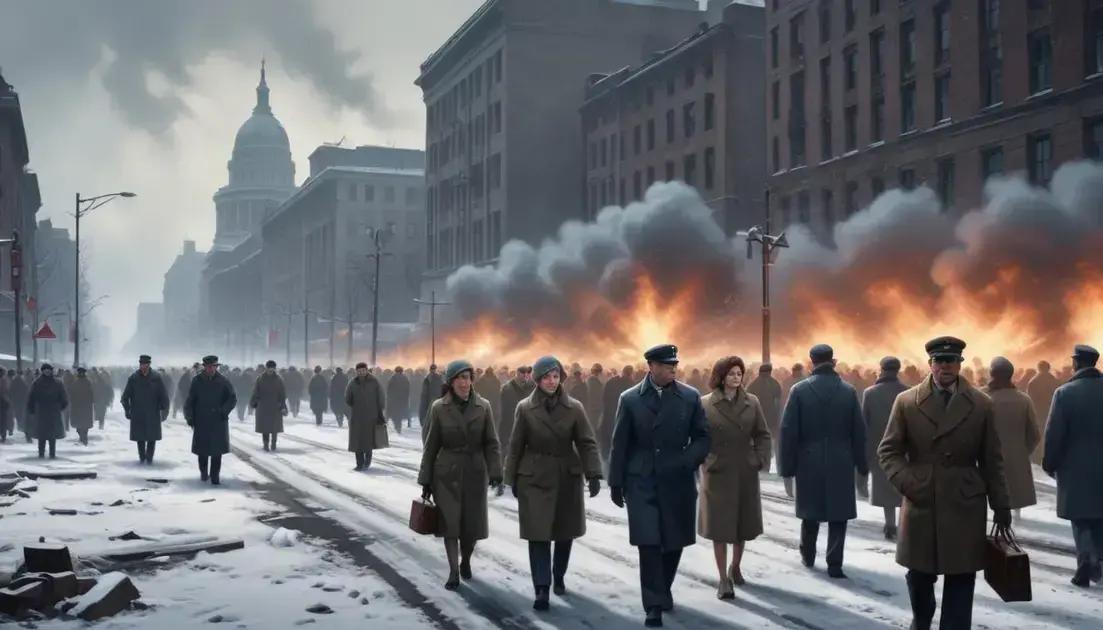
Life during the Cold War was not easy. People lived under constant watch and pressure. Privacy faded away, and many feared what would happen if their country lost the struggle.
Life Under Censorship
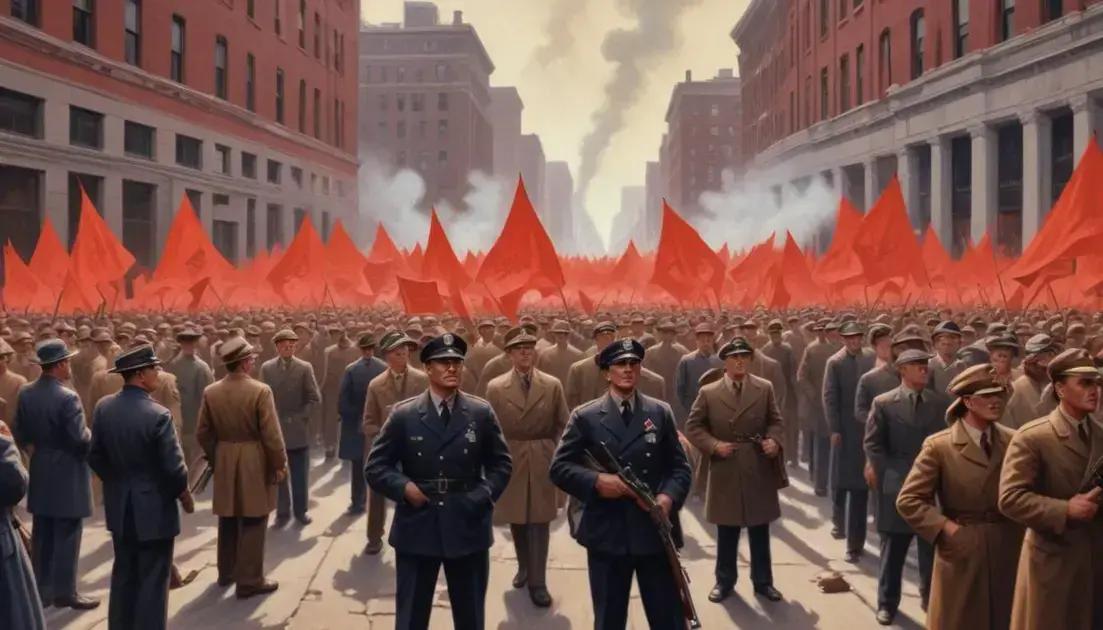
Life under censorship during the Cold War was tough. Many people couldn’t express their true feelings or opinions. Governments controlled the media and what information was shared.
In schools, teachers taught only what was allowed. Students learned to think carefully about what they said. Even simple conversations could lead to serious trouble.
Books, movies, and art were closely monitored. If a work was deemed too critical, it would be banned. Creators faced harsh consequences for their work or thoughts.
In public, people often watched what they said. The fear of being reported was real. Neighbors could be spies, and this made trust difficult. Daily life was filled with caution.
Yet, people found ways to resist. Secret meetings allowed for sharing forbidden ideas. Underground artists created different forms of expression away from the watchful eyes. This spirit kept hope alive even when the walls felt thick.
Through it all, the need for freedom never faded. The desire to speak openly and share thoughts pushed many to fight against the system. Even under pressure, the human spirit searched for a way to be free.
The Role of Dreams and Aspirations
Even in dark times, the role of dreams and aspirations shines bright. During the Cold War, many hoped for a better future. Dreams kept spirits high despite everyday challenges.
People dreamed of freedom, peace, and a life without fear. They wanted to express their thoughts openly and live without restrictions. These dreams inspired courage and resilience.
Artists and writers became voices of hope. Many of them risked their safety to share their visions. They created works that spoke to the struggles and dreams of ordinary people.
Communities formed around shared hopes. Secret gatherings allowed people to connect and share their aspirations. These spaces became safe havens where dreams could take flight.
While oppression sought to silence them, dreams provided strength. They motivated individuals to push back against censorship and control. The desire for a brighter future became a powerful force for change.
Even when it felt impossible, dreams helped people keep going. They reminded everyone that there’s always a light beyond the darkness. Hope can inspire action and change, no matter the obstacles.
Personal Stories from Behind the Iron Curtain
Personal stories from behind the Iron Curtain reveal deep emotions and experiences. People lived in a world of strict rules and monitoring. Each person’s tale adds a unique piece to this complex history.
One story tells of a young woman who dreamed of becoming a teacher. She faced many challenges due to censorship and fear. Despite that, she found a way to share her love of learning with others.
Another account features a man who secretly published a newsletter. He risked his life to spread news and ideas. His courage inspired many to think differently and question their reality.
Families often lived under constant stress. They had to navigate between loyalty to their country and the desire for freedom. These struggles shaped their identities and the relationships they held dear.
For many, music and art became a form of escape. They created and shared their work in secret, pouring their hearts into it. This artistic expression kept their dreams alive and connected them to the outside world.
Through laughter and tears, these personal stories show the resilience of the human spirit. People found ways to maintain hope and pursue their dreams, even in challenging times.
The Impact on Modern Society
The impact on modern society from the Cold War is still felt today. Many changes in politics, culture, and technology trace their roots to this period. Understanding these effects helps us see our world more clearly.
Politically, alliances formed during the Cold War still exist. NATO and similar groups influence international relations today. Countries still align based on past bonds.
Culturally, art and literature from this time shape our views. Movies, music, and books reflect the fears and dreams of the era. They remind us of the struggles that people faced and how they overcame them.
Technologically, the arms race spurred innovations. Investments in science led to advancements in various fields. For example, space exploration grew, resulting in satellite technology that we rely on now.
The desire for freedom and human rights gained momentum during the Cold War. Many movements around the world were inspired by this struggle. Activists continue to fight for justice, building on those foundations.
Finally, the Cold War has taught us valuable lessons about conflict and cooperation. It reminds us of the dangers of division and the power of unity. Learning from the past can help us create a better future.
Conclusion
In conclusion, the stories and struggles from behind the Iron Curtain remind us of the strength of the human spirit. The impact of the Cold War still shapes our world today. We see its effects in politics, culture, and technology, illustrating the importance of freedom and hope.
Understanding these history lessons can guide us toward a better future. As we reflect on the past, let’s celebrate the resilience and creativity of those who dreamed for a better life. By learning from their experiences, we can continue to fight for justice and unity in our world.