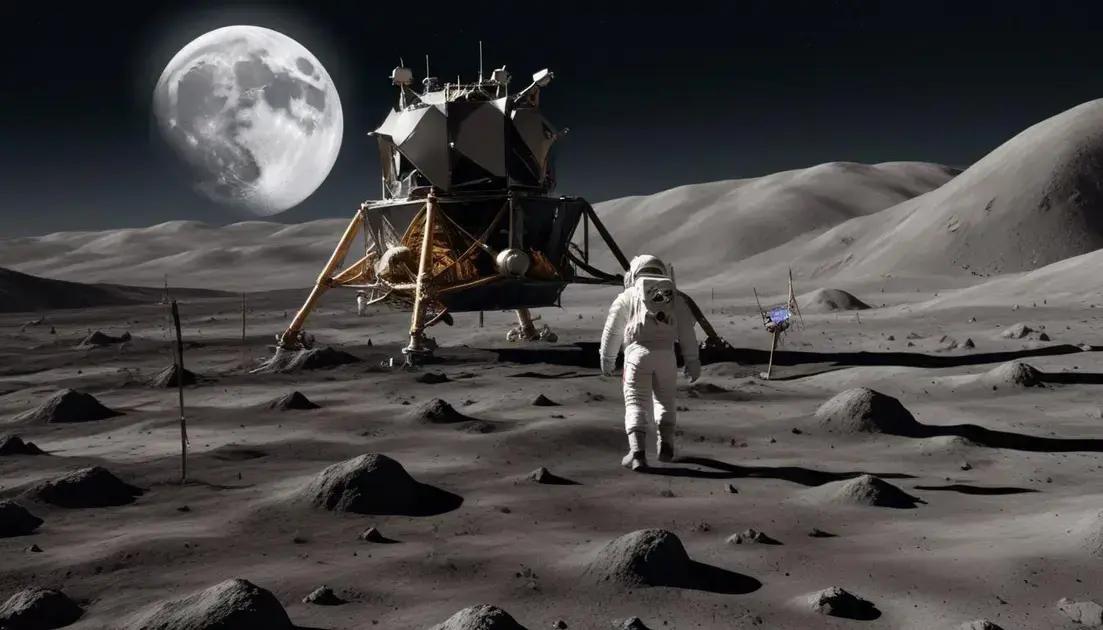
Challenger and Columbia: tragedy in the sky
The Challenger and Columbia disasters profoundly impacted space exploration by improving safety protocols, fostering open communication, and advancing technology. These tragedies highlighted the importance of prioritizing astronaut safety and led to a culture of learning within NASA. The lessons learned from these incidents continue to shape how modern missions are conducted, emphasizing collaboration and rigorous testing to honor the sacrifices made by the brave astronauts involved in these missions.
Space Disasters have marked human history with their tragedies, like the Challenger and Columbia incidents. Let’s look back on these pivotal moments…
The Challenger disaster: an overview
The Challenger disaster was a tragic event in space history. On January 28, 1986, the space shuttle Challenger broke apart just 73 seconds after launch. All seven crew members lost their lives, shocking the nation.
What Happened?
The Challenger was set to carry out its tenth mission. The crew included a school teacher, Christa McAuliffe, who was to be the first teacher in space. Millions watched the launch live on TV.
The Cause of the Disaster
Cold weather played a significant role in the Challenger disaster. The temperature was unusually low, which affected the O-rings on the solid rocket boosters. These O-rings did not seal properly. This failure led to hot gas escaping, ultimately causing the explosion.
The Aftermath
The disaster led to an investigation by the Rogers Commission. They found technical, organizational, and communication failures within NASA. As a result, NASA made new safety rules and improved their testing process.
Legacy of the Challenger
The Challenger disaster changed how space missions were viewed. It reminded everyone about the risks involved in space exploration. The event showed how crucial safety is when it comes to human lives.
This tragedy still has a strong impact on NASA and the wider community today. It led to more stringent safety protocols and a more cautious approach to space travel.
The Columbia disaster: key facts
The Columbia disaster happened on February 1, 2003. This tragedy occurred during re-entry into the Earth’s atmosphere. The space shuttle Columbia broke apart, leading to the loss of all seven crew members.
What Went Wrong?
During launch, a piece of foam insulation broke off from the external tank. This foam struck the shuttle’s left wing. It created a hole that would later contribute to the disaster.
The Crew of Columbia
The crew included experienced astronauts. They were leaders in science and engineering. Some were even set to conduct important research in space. Their contribution to humanity was significant.
The Investigation
Following the disaster, NASA launched a thorough investigation. The Columbia Accident Investigation Board examined many factors. They discovered shortcomings in safety culture and communication within NASA.
Impact on NASA and Space Travel
This disaster led to major changes at NASA. They improved a lot of safety measures and protocols. The goal was to prevent such tragedies from happening again. Columbia’s legacy includes a renewed focus on crew safety and the need for open communication.
Today, the lessons from the Columbia disaster continue to influence space exploration. It’s essential to honor the memory of the brave astronauts who lost their lives.
Comparing both tragedies
Both the Challenger and Columbia disasters were tragic events in NASA’s history. They share important similarities and key differences. Understanding these can help us learn more about space safety.
Similarities Between Challenger and Columbia
Both disasters resulted in the loss of seven brave astronauts. These individuals were dedicated to space exploration and research. Each tragedy shocked the nation and the world. They highlighted the dangers of human spaceflight.
Key Differences
The Challenger disaster happened during launch, while Columbia’s occurred during re-entry. The Challenger exploded just 73 seconds after liftoff due to faulty O-rings. In contrast, Columbia disintegrated when re-entering Earth’s atmosphere because of damage from foam insulation.
Investigations and Outcomes
After both disasters, NASA conducted detailed investigations. The Challenger incident led to the Rogers Commission, which criticized management and safety cultures at NASA. Meanwhile, the Columbia Accident Investigation Board focused on technical failures and communication issues.
Impact on Future Missions
Both events changed how NASA approaches safety. After Challenger, NASA improved safety protocols and testing. Following Columbia, they emphasized a culture of open communication and thorough analysis of risks. These changes aimed to prevent future tragedies.
Reflections on both disasters remind us of the risks involved in space exploration. Learning from the past helps make future missions safer.
Lessons learned from past mistakes
Emerging from the tragedies of Challenger and Columbia, we’ve learned valuable lessons. These lessons are crucial for the future of space travel.
Prioritizing Safety
After both disasters, safety became the top concern for NASA. They recognized that human lives are the most important aspect of any mission. New safety protocols were implemented to ensure thorough checks and balances.
Improved Communication
Open communication within teams is vital. The investigations revealed that communication gaps contributed to the tragedies. NASA now encourages everyone to speak up about concerns, ensuring all voices are heard.
Embracing a Learning Culture
Both incidents showed that a culture of learning is essential. Organizations must analyze failures, learn from them, and adapt. This culture helps avoid repeating mistakes in the future.
Importance of Thorough Testing
Thorough testing of equipment before flights is critical. The Columbia disaster highlighted the need for detailed inspections. NASA now conducts more extensive assessments to catch any potential issues before launching.
These lessons are more than just procedural changes; they remind us of the humanity behind space missions. The sacrifices of the crew members inspire ongoing improvements in safety and communication in space exploration.
The impact on space exploration today
The events of Challenger and Columbia significantly shaped space exploration today. Their impact is felt in various ways across NASA and the space industry.
Stricter Safety Standards
These tragedies led to heightened safety standards. NASA prioritized safety as the top concern in all missions. New protocols were put in place to protect astronauts during flights.
Improved Technology
Lessons learned pushed advancements in technology. Spacecraft are now designed with better materials and more rigorous testing methods. This helps ensure that equipment can withstand the challenges of space travel.
Public Awareness and Support
The disasters raised public awareness about the risks of space travel. People began to understand how dangerous space missions can be. This increased support for NASA’s safety measures and funding for space exploration.
International Collaboration
Both incidents also strengthened international cooperation in space. Countries now work together to share knowledge and resources. This teamwork enhances the safety and success of missions around the world.
Today, the lessons from Challenger and Columbia guide how we explore space. Their legacies remind us to value safety, innovation, and teamwork in every mission.
Conclusion
In conclusion, the tragic losses of the Challenger and Columbia missions have taught us invaluable lessons about space exploration. These tragedies highlighted the importance of safety and thorough communication within NASA and the space industry. They also led to significant improvements in technology and international collaboration.
The impact of these events continues to shape how we explore the cosmos today. By prioritizing safety, embracing advancements, and fostering teamwork, we honor the memories of the astronauts who lost their lives. Ultimately, these lessons serve as a foundation for a safer and more successful future in space exploration.