Cold War art: creativity under censorship
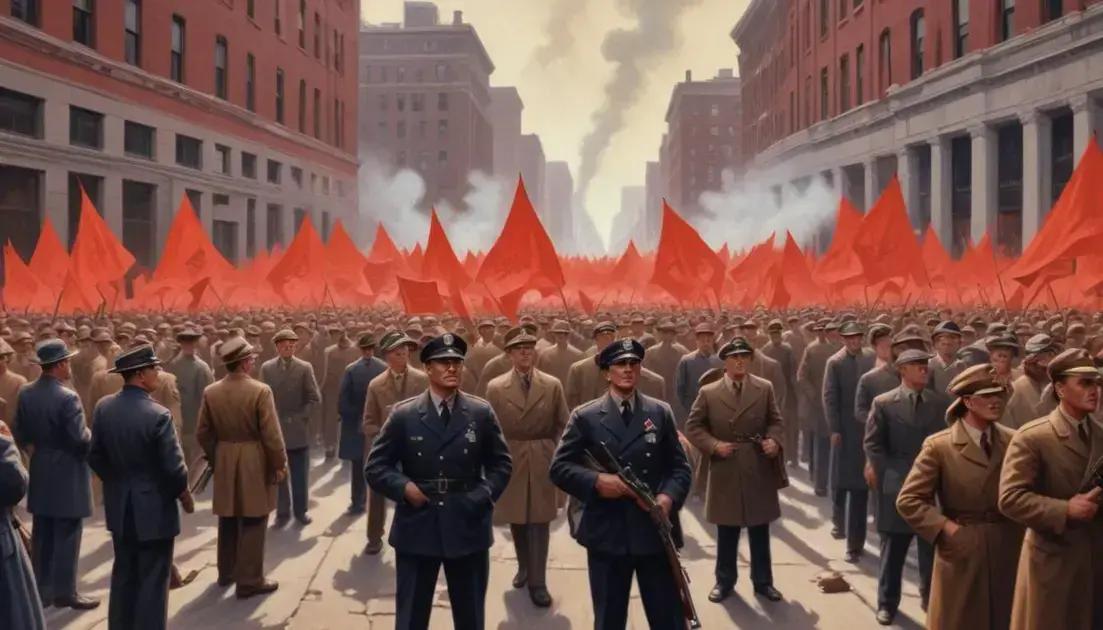
The struggle between propaganda and personal expression defined the artistic landscape during the Cold War. Artists faced government scrutiny yet used creative techniques to communicate their true feelings. This conflict led to the emergence of new forms of art that challenged authority and sparked social change, highlighting the resilience of creativity in oppressive environments.
Cold War art reveals creativity flourishing amidst censorship. How did artists navigate the tightrope of propaganda and protest? Let’s dive in!
The role of art in conveying political messages
Art has always played an important role in society. During the Cold War, it became a powerful tool for conveying political messages. Artists used their creativity to express ideas that challenged governments and social norms.
The Influence of Artists
Many artists used their work to comment on political issues. They wanted to provoke thought and inspire change. For example, paintings, sculptures, and murals often reflected the tensions of the time. These artists faced risks, but their messages reached many people.
Visual Symbols in Art
Artworks often included strong symbols to convey deeper meanings. A broken chain might represent freedom, while a shadowy figure could symbolize oppression. These symbols helped viewers understand complex ideas in simple ways.
Art as Protest
Some artworks directly challenged authority. Artists created pieces that addressed war, injustice, and censorship. These bold statements encouraged others to question the status quo. They inspired audiences to think critically about the world around them.
The Impact of Cold War Art
Cold War art opened dialogue about freedom and human rights. It sparked conversations that went beyond the canvas. These artists made their voices heard and left a lasting impact on history.
Through art, they’re able to highlight the struggles of their time and connect with people on a personal level. This connection is what makes art a vital part of society, especially during tough times.
Artists under state scrutiny during the Cold War
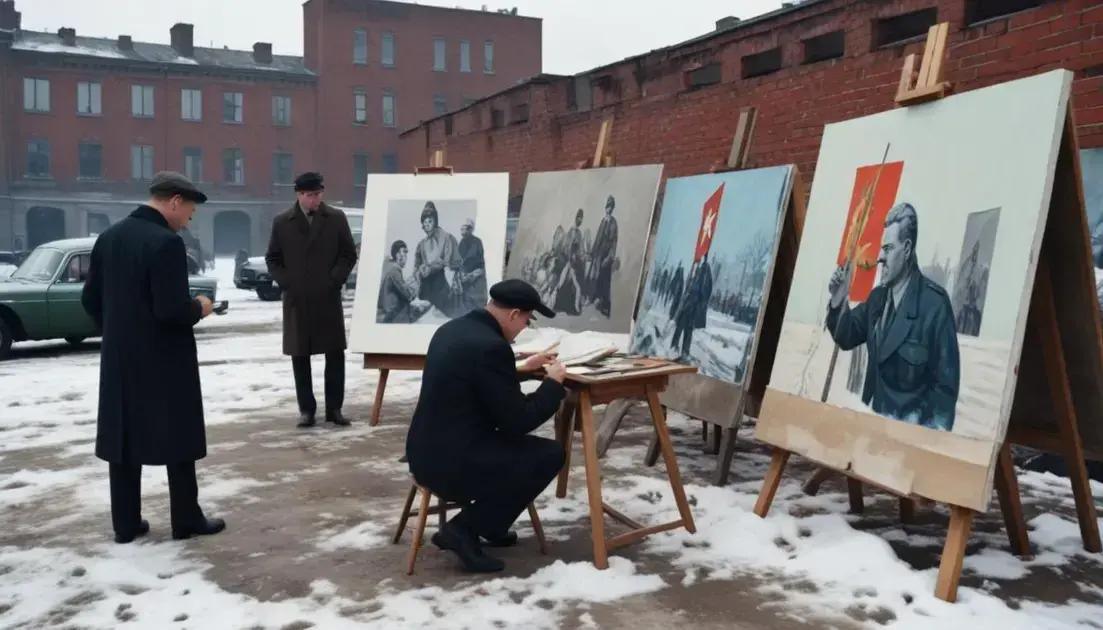
Artists during the Cold War faced strict state scrutiny. They had to be careful in their work. Many governments monitored what they created and shared. This made it hard for artists to express themselves freely.
The Pressure to Conform
In many places, artists had to follow strict rules. Their work often had to support government views. This pressure created a struggle between their creativity and what was allowed.
Censorship of Artistic Expression
Censorship was common. Many artworks were banned or altered to fit the government’s agenda. This made it tough to share thoughts and feelings openly. Artists had to find clever ways to communicate their messages.
Using Subtlety and Symbolism
To avoid censorship, some artists used subtlety and symbolism in their work. They relied on hidden meanings to express their true ideas. This strategy allowed them to create art that spoke volumes without getting into trouble.
Impact on Creativity
State scrutiny affected artists deeply. It limited their freedom but also sparked new forms of creativity. Artists found innovative ways to push boundaries while keeping their messages alive.
These challenges helped shape a unique style of art. The conflict between conformity and self-expression resulted in deeply impactful works that resonate even today.
Protest movements and artistic expression
Throughout history, protest movements have inspired powerful artistic expression. Artists often use their work to voice dissent and challenge authority. This connection between protest and art creates a unique dialogue.
Art as a Form of Protest
Art can express feelings about social issues. From paintings to songs, artists use different mediums to speak out against injustice. These expressions help raise awareness and motivate change.
Visual Art in Protests
During protests, visual art plays a big role. Murals, posters, and graffiti can be seen in many demonstrations. These artworks capture the spirit of the movement and draw attention to important causes.
Music and Performance Art
Music is another powerful tool for protest. Songs can inspire people and unite them. Performance art offers a way to challenge norms and grab attention. Together, they convey strong messages of resistance.
Impact on Society
Protest movements and artistic expression can significantly influence society. They encourage people to think critically and question the status quo. This creative expression helps build community and solidarity among activists.
Art transforms feelings of frustration into a call for action. By using their talents, artists contribute to the fight for justice and change.
The dichotomy of propaganda vs. personal expression
The dichotomy between propaganda and personal expression is a major theme in art. During the Cold War, artists faced pressure to create works that aligned with government messages. This created a struggle between what they wanted to express and what was expected of them.
The Role of Propaganda
Propaganda often served to support government goals. It aimed to influence public opinion and promote certain ideologies. Many artists found themselves caught in this web, forced to conform to avoid punishment.
Personal Expression and Its Risks
On the other hand, personal expression allowed artists to share their true feelings. They wanted to convey their views and emotions through their work. However, this came with risks. Some faced censorship or retaliation for their bold expressions.
Clever Techniques
To navigate this struggle, many artists used clever techniques. They incorporated symbols that carried hidden meanings. This way, they could express dissent without directly challenging authority. It was a fine line to walk.
The Impact of the Dichotomy
This conflict influenced not just the artists but also society. The tension between propaganda and personal expression sparked discussions about freedom and creativity. It pushed artists to innovate and find new ways to communicate their messages.
Understanding this dichotomy helps us appreciate the complexity of art during the Cold War. It showcases the power of creativity to thrive, even under extreme pressure.
Conclusion
In conclusion, the struggle between propaganda and personal expression highlights the challenges artists faced during the Cold War. Through their creativity, they found ways to convey their true feelings while navigating state control. This tension pushed them to innovate and develop new artistic techniques.
Understanding this conflict helps us appreciate the rich history of art in pushing for freedom and justice. Artists provided important insights into society and sparked conversations that continue today. Their ability to express personal truths, even under pressure, serves as a powerful reminder of the resilience of the human spirit.
Ultimately, art remains a vital way to question the world around us and advocate for change, showing us that creativity can thrive even in the toughest circumstances.