Atomic culture: living under the bomb
The atomic age profoundly influenced culture and society, marked by phenomena like duck-and-cover drills and the rise of atomic cocktails. These cultural elements reflect how people adapted to the fear of nuclear threats while still celebrating life. Lasting effects of nuclear anxiety continue to shape our views on safety and security, driving movements for peace and global disarmament. Understanding these aspects helps us learn from the past and work towards a more secure future.
Have you ever wondered about the peculiar world of Atomic culture? This era was filled with a strange mix of fear and fascination, shaped by the looming threat of nuclear war…
1. Understanding Atomic Culture
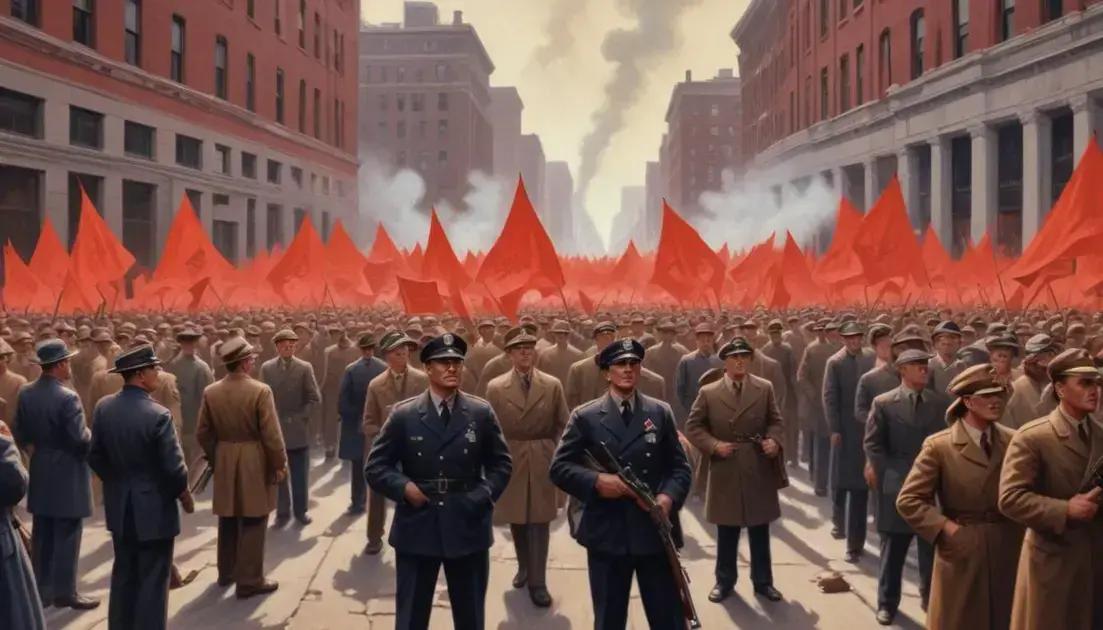
Understanding Atomic Culture gives us insight into a unique period in history. This was when the threat of nuclear war was very real. People everywhere felt a mix of fear and excitement. Movies and TV shows often played on this tension. They showed the dangers of the bomb, but also how life went on.
During this time, the government staged duck-and-cover drills in schools. Kids learned to hide under their desks when they heard a siren. It might sound funny now, but back then, it was serious business. Families were scared, yet they found ways to cope. They lived their daily lives, trying to keep things normal.
A notable part of this culture was the rise of atomic-themed items. From toys to cocktails, everything embraced the atomic age. Some people even celebrated it. Atomic cocktails became a trendy drink at bars. These fun and colorful drinks were a way for people to enjoy themselves, even in uncertain times.
Overall, understanding atomic culture means looking at how society adapted. Life was about balancing fear with the thrill of new inventions. This age shaped a lot of what we see today, showing how we respond to threats and change.
2. The Impact of the Atomic Age on Society
The Impact of the Atomic Age on Society was huge and far-reaching. From the moment the bomb dropped, everything changed. People began seeing the world in a new light. Fear of nuclear war became a part of daily life. This fear influenced how families acted and how communities came together.
One major change was in entertainment. Movies and TV shows started reflecting the anxieties of the time. Films like “Dr. Strangelove” mixed humor with serious themes. They made audiences think about the absurdity of nuclear war. This blend of fear and fantasy kept people engaged, even when it was scary.
The atomic age also changed how people viewed science. Nuclear energy became a symbol of progress. Many believed it could power the future. Schools began focusing more on science education. They wanted students to understand these new technologies and their potential benefits.
Additionally, the atomic age sparked movements for peace. Groups began advocating for disarmament and global peace. People realized that collaboration mattered more than ever. This era showed how fear could inspire hope and activism.
Ultimately, the atomic age left an indelible mark on society. It challenged people to think about their future and pushed them to look for solutions. Fear could lead to creativity and change in surprising ways.
3. Duck-and-Cover Drills: A Cultural Phenomenon
Duck-and-cover drills became a notable part of life during the atomic age. Schools across America taught children what to do in case of a nuclear attack. These drills were often practiced during school hours. Kids were instructed to drop to the ground and cover their heads. The goal was to protect themselves from potential explosions.
Teachers made these drills seem critical and serious. They explained the dangers of the bomb in simple terms. For many children, this was their first introduction to the concept of nuclear danger. Even though it was a scary idea, many kids took the drills in stride. They often joked about it with friends afterward.
Parents watched nervously as these drills took place. Some even questioned the effectiveness of such measures. Would hiding under a desk really help? Despite the uncertainty, the drills continued. They became part of school culture during the 1950s and into the 1960s.
Media also popularized the idea of duck-and-cover. Cartoons and public service announcements taught these safety techniques. They showed children how to respond in emergencies. This made the concept familiar and approachable for families.
In many ways, duck-and-cover drills reflected the fears of the time. They highlighted the anxiety over the Cold War and nuclear weapons. This cultural phenomenon became a symbol of how everyday life adapted to the threat of atomic warfare. It shaped how people, especially children, viewed their world.
4. The Rise of Atomic Cocktails
The rise of atomic cocktails was a fun, creative response to the atomic age. During the 1950s, bars and restaurants began serving cocktails with catchy, nuclear-themed names. These drinks became a sensation at parties and gatherings. Many people enjoyed the novelty and creativity behind them.
Atomic cocktails often featured bright colors and unusual ingredients. They looked exciting and tasted great. Bartenders loved to experiment with different mixes. Popular recipes included ingredients like grenadine, blue curaçao, and vodka. These drinks were not just beverages; they were part of a social experience.
Drinking atomic cocktails became a way for people to embrace the era. Even in times of fear, they found joy in socializing. Friends gathered in homes and clubs to enjoy these drinks. It was a way to distract themselves from the worries of the world.
These cocktails also appeared in popular culture. They were featured in advertisements and films, reflecting the fun side of the atomic age. This trend showed how Americans adapted to their fears through creativity and humor. Cocktail parties became popular events, often themed around the atomic era.
Overall, the rise of atomic cocktails symbolized how people reacted to the nuclear threat. They found ways to celebrate life, even when facing uncertainty. This cultural phenomenon reminds us that joy can exist alongside fear.
5. Lasting Effects of Nuclear Anxiety
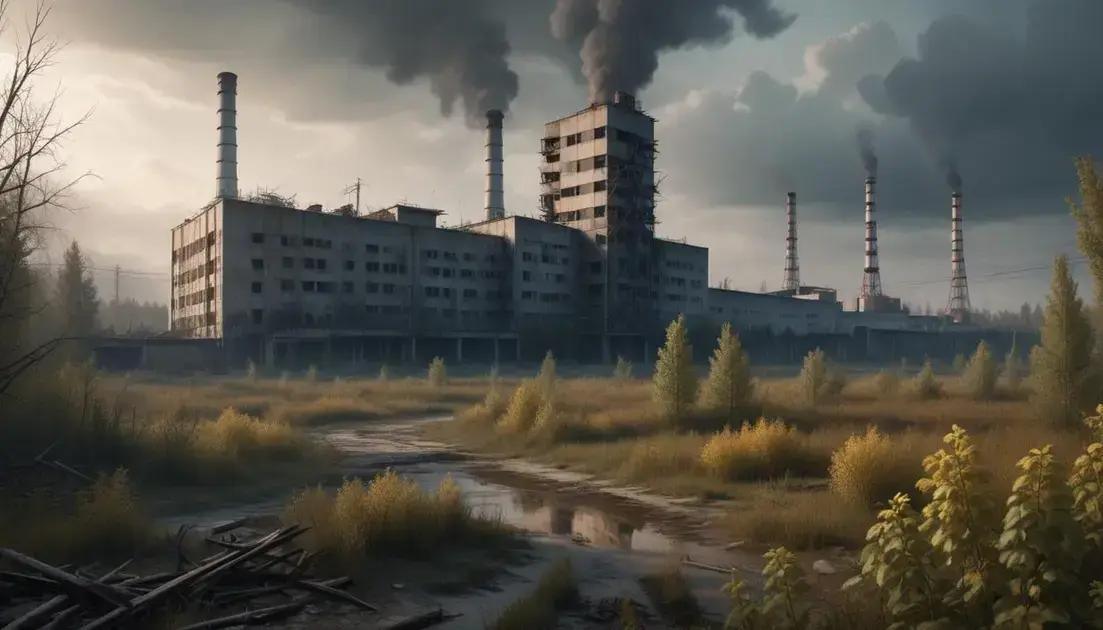
Lasting effects of nuclear anxiety continue to shape our world today. Many people who lived through the atomic age carried a sense of fear. This fear influenced how they viewed security and safety in their lives. It was a time when the threat of nuclear war seemed real and immediate.
Even today, this anxiety can be seen in popular culture. Movies, TV shows, and books still explore nuclear themes. The fear of global destruction creates intense stories that resonate with audiences. This shows how deeply the fear of the bomb impacted society.
Additionally, the atomic age changed how governments and citizens respond to threats. Public safety campaigns often reflect this anxiety. Authorities promote awareness and preparation for various emergencies. For many, being prepared is a way to cope with lingering fears.
Nuclear anxiety also sparked movements for peace and disarmament. People started to advocate for nuclear treaties and arms reduction. They wanted to ensure that future generations wouldn’t face the same fears. This activism has led to important discussions about nuclear policies worldwide.
Overall, the effects of nuclear anxiety remind us of the past. They show us how fear can shape behavior and beliefs. Understanding these effects helps us realize the importance of striving for a safer, more peaceful world.
Conclusion
In conclusion, the atomic age brought significant changes to society that still resonate today. The cultural phenomena, like duck-and-cover drills and atomic cocktails, reflect how the era shaped daily life. People found ways to cope with nuclear anxiety and embraced creativity amidst fear.
The lasting effects of this anxiety remind us of our need for peace and security. As we look back at this time, we should learn from it. By understanding the past, we can work towards a safer future and promote positive change in our communities. Remember, the lessons from the atomic age are not just history; they continue to influence our world today.
Tags: